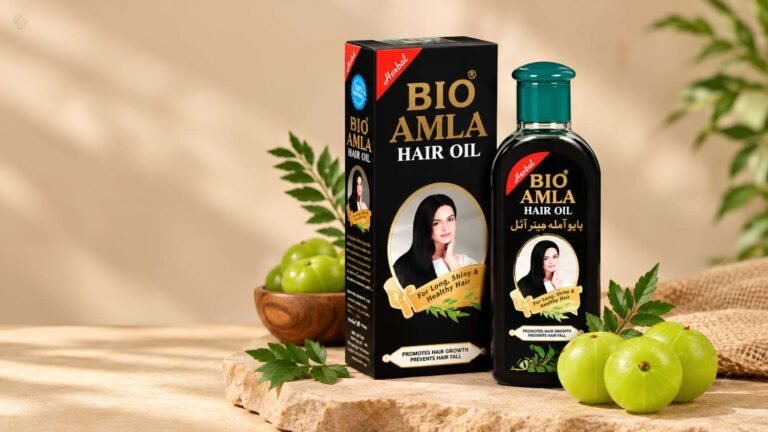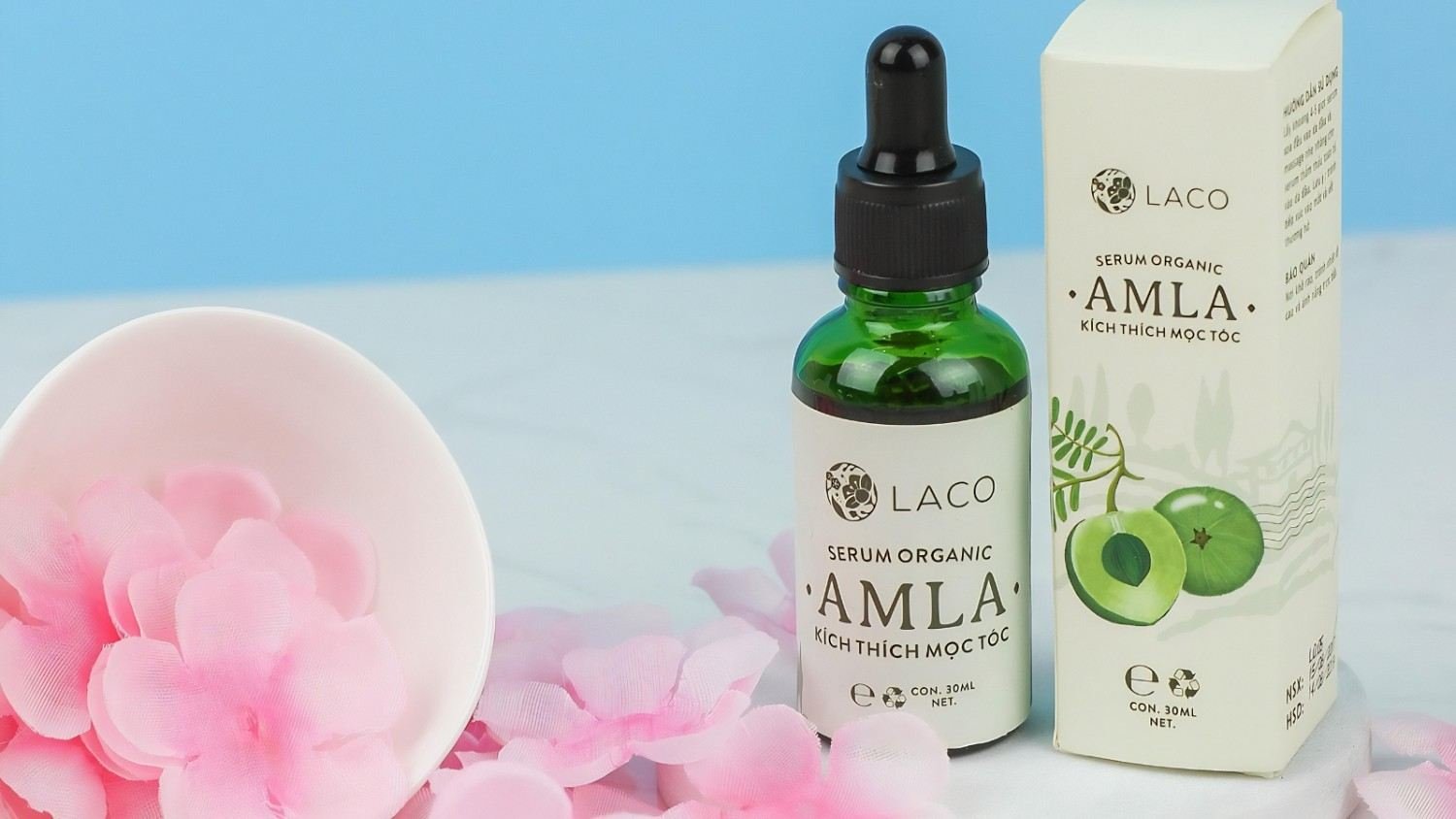
Hair loss and hair thickness has become the major problem in young women between the age 17 to 40, young girls are facing hair problems and losing hope, and because of less education they mostly don’t know which oil to use and how to use and how many times to use in a day, and how much time it will take to recover the problem. In this blog you will get to know the benefits of Amla oil, especially for hair loss and hair thickness. This blog will teach you each and every single thing which will make a clear image for you about Amla oil, whether you need to use it or not, and if you need, how much you have to apply and how to apply.
The benefits of amla oil have been celebrated in Ayurvedic tradition for thousands of years — and for very good reason. Derived from the Indian gooseberry (Phyllanthus emblica), amla oil is one of the most nutrient-dense hair treatments nature has to offer. Packed with Vitamin C, antioxidants, essential fatty acids, and anti-inflammatory compounds, it targets the root causes of hair problems rather than simply masking their symptoms.
Whether you are struggling with excessive hair fall, a dry and itchy scalp, slow hair growth, or premature greying, amla oil offers a time-tested, natural solution. In this guide, we cover everything — what amla oil is, what it contains, how it benefits your hair, how to use it, and who it is best suited for.
What Are the Benefits of Amla Oil?
Before diving into individual benefits, it helps to understand what makes amla oil so uniquely effective. Amla oil is typically made by infusing dried or fresh Indian gooseberry into a carrier oil — most commonly sesame or coconut oil. This slow infusion process concentrates the bioactive compounds from the fruit, including tannins, flavonoids, polyphenols, and Vitamin C, into a form that is easily absorbed by the scalp and hair shaft.
Signs Your Hair Needs Amla Oil
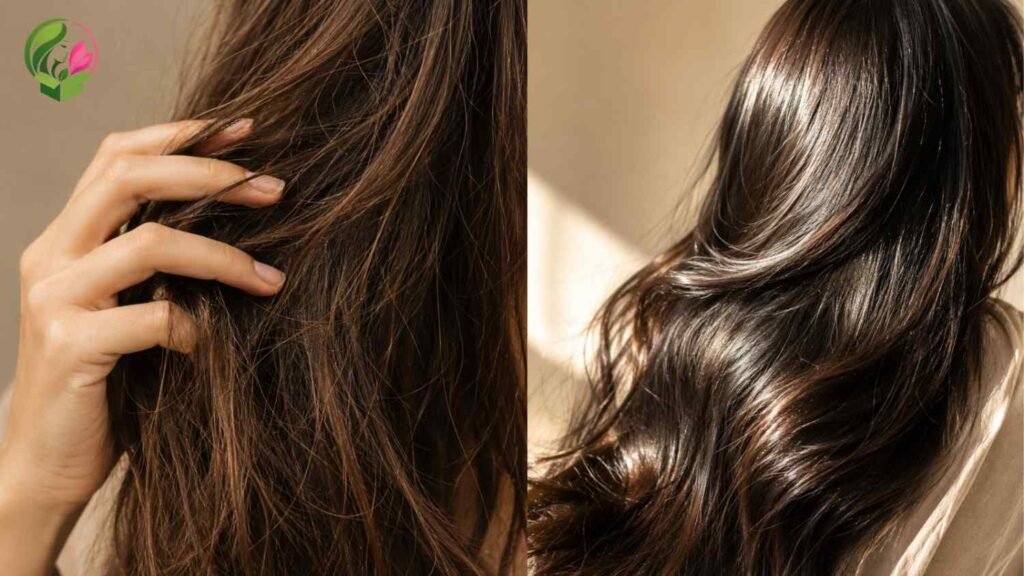
Not sure whether amla oil is the right addition to your routine? These are the most common signs that your hair and scalp are ready for what amla oil offers:
Excessive Hair Fall or Thinning
If you are shedding more hair than usual — on your pillow, in the shower drain, or on your hairbrush — weak follicles, poor scalp circulation, or nutritional deficiency may be to blame. Amla oil’s nourishing compounds directly address all three of these underlying causes.
Dry, Itchy, or Flaky Scalp
A dry or irritated scalp disrupts the hair growth cycle and can lead to increased shedding. The anti-inflammatory and moisturising properties of amla oil help restore scalp balance, calming itchiness and reducing flakiness at the source.
Dull or Lifeless Hair
If your hair looks flat and lacks natural shine despite regular washing and conditioning, it may be stripped of its protective lipid layer. Amla oil refresh those natural oils and smooths the hair cuticle (main Layer), restoring light-reflective shine without a greasy residue.
Split Ends and Breakage
Hair that splits or snaps easily is typically lacking suitable moisture and internal structural support. The fatty acids in amla oil penetrate the hair shaft itself, reinforcing it from the inside to reduce breakage and improve flexibility.
Premature Greying
Greying before the age of thirty is increasingly common, often driven by oxidative stress, nutritional deficiency, or genetics. Amla’s antioxidant-rich profile is believed to protect the melanocytes — cells that produce hair pigment — from damage, potentially slowing the onset of premature greying.
Slow Hair Growth
If your hair growth seems sluggish or has stalled, improving scalp circulation and follicle health through regular amla oil massage may help jumpstart the growth cycle. Many users report noticeable improvements in growth rate within two to three months of consistent use.
Scalp Build-Up or Product Residue
A congested scalp — clogged with product residue, dead skin, and sebum — suffocates hair follicles and impedes growth. Used as a pre-wash treatment, amla oil helps loosen and lift that debris, leaving the scalp cleaner and more receptive to nourishment.
10 Powerful Benefits of Using Amla Oil for Hair
Here is a detailed look at the ten most significant, evidence-supported benefits amla oil provides:
1. Promotes Hair Growth
Amla oil stimulates blood circulation in the scalp, which increases the delivery of oxygen and nutrients to hair follicles. This creates an optimal environment for active growth and can help awaken dormant or weakened follicles over time. Regular scalp massage with amla oil — just five to ten minutes per session — can make a meaningful difference in both growth rate and hair density.
2. Reduces Hair Fall
By strengthening the hair root and nourishing the follicle, amla oil significantly reduces the amount of hair lost during brushing, styling, and washing. Rather than working for the layers it works for the roots where hair loss really begins.
3. Fights Dandruff and Scalp Infections
The antimicrobial and antifungal properties of amla target the Malassezia yeast that causes most dandruff, as well as bacterial scalp conditions that can cause irritation and inflammation. If you use regularly, it will help to maintain a clean, balanced scalp environment where hair can grow freely.
4. Delays Premature Greying
This is one of amla oil’s most celebrated traditional benefits. The antioxidants in amla protect the pigment-producing cells in hair follicles from oxidative stress, which is a primary driver of premature greying. While it will not reverse grey hair that has already appeared, consistent use from an early age may slow the greying process considerably.
5. Hydrates Dry, Parched Strands
The essential fatty acids in amla oil create a moisture-locking barrier around each hair strand, preventing transepidermal water loss. This is especially beneficial for coily, kinky, or chemically treated hair types that lose moisture rapidly and are most prone to dryness, breakage, and brittleness.
6. Strengthens Hair at the Roots
Regular amla oil massages reinforce the hair shaft from the down to upward. Over time, this leads to noticeably thicker, more resilient hair that is less prone to snapping, splitting, or shedding prematurely during everyday manipulation.
7. Softens and Smooths Hair Naturally
Amla oil smooths the hair cuticle — the outermost layer of each hair strand — making hair feel significantly softer and more manageable. Unlike synthetic silicones, which coat the hair temporarily, amla oil improves the actual structure of the cuticle, giving results that deepen with continued use.
8. Adds Natural Shine and Lustre
A smoothed cuticle reflects light more evenly, producing the kind of healthy, glassy shine that is difficult to fake with styling products. Amla oil delivers this shine naturally, without the heavy or greasy look that heavier oils can leave behind.
9. Penetrates the Scalp Deeply
Unlike many thick or heavy oils that sit on the skin’s surface, amla oil infused in sesame has a relatively low molecular weight, allowing it to penetrate into the scalp tissue and deliver its nutrients where they are most needed — at the level of the follicle and dermal papilla.
10. Suitable for All Hair Types and Textures
Whether your hair is fine and straight, dense and coily, colour-treated, natural, or transitioning, amla oil can be adapted to your routine. It is lightweight enough not to overwhelm fine hair, yet sufficiently nourishing to address the needs of the driest, most textured hair types.
Amla Oil and Henna: The Ultimate Ayurvedic Duo
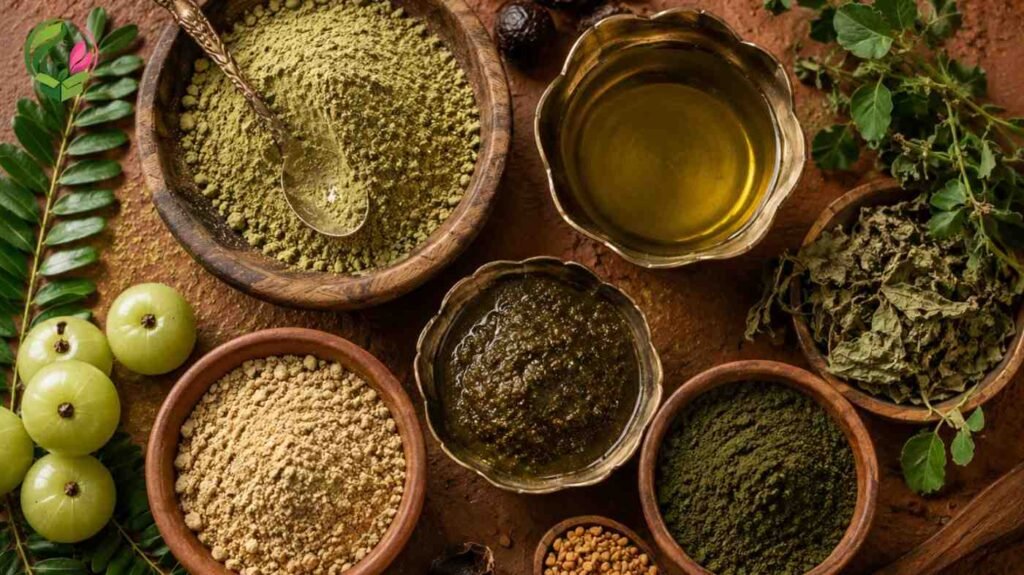
Amla oil and henna have been used together in Ayurvedic hair care for centuries, and the pairing makes excellent sense. Henna — a plant-based hair dye and conditioner — can leave the hair feeling dry immediately after use. Adding amla oil to your henna mix, or applying it as a post-treatment, restores moisture, seals the cuticle, and enhances the depth and shine of the colour result.
Amla is also frequently mixed with other Ayurvedic herbal powders such as cassia, brahmi, bhringraj, and fenugreek to create conditioning hair masks that address multiple concerns at once. This synergistic approach — combining several plant-based actives — is central to Ayurvedic hair care philosophy and tends to produce results that are greater than the sum of their parts.
How to Use Amla Oil in Your Hair Routine
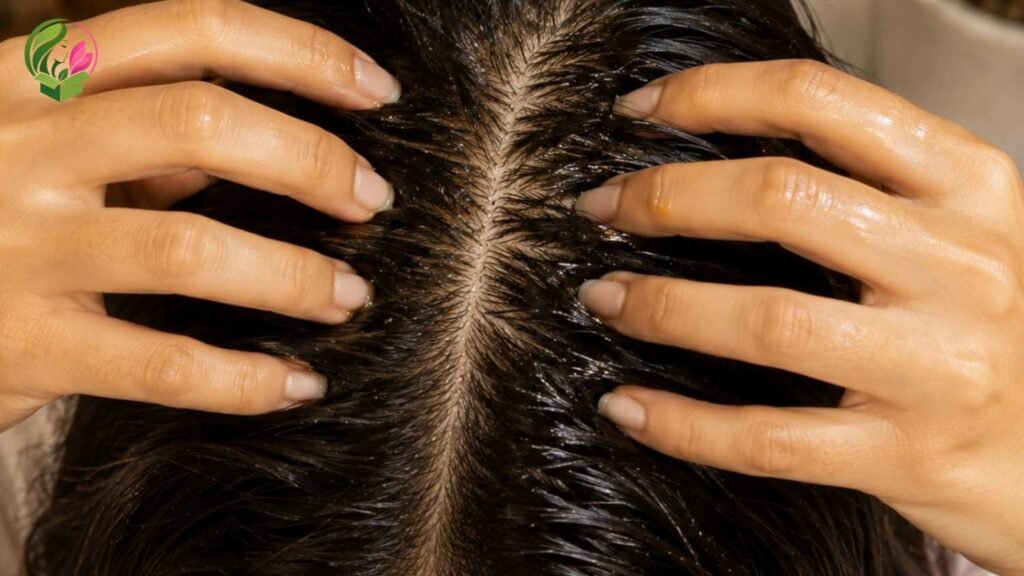
The method of application matters. Here are the most effective ways to incorporate amla oil into your routine:
As a Scalp Massage Treatment (2–3 Times Per Week)
Warm a small amount of amla oil between your palms, part your hair into sections, and massage the oil directly into the scalp using firm circular motions for five to ten minutes. The massage itself boosts circulation while the oil delivers nutrients. Leave on for at least thirty minutes, then shampoo out thoroughly.
Pre-Wash Hair Oil Treatment
Apply amla oil generously to both the scalp and the length of your hair one to two hours before washing. This protective layer prevents the shampoo from stripping your hair’s natural oils, leaving it clean but not squeaky-dry after washing.
Mixed with Herbal Powders Like Henna or Cassia
Add a few drops of amla oil to your henna or cassia mix before applying it to the hair. This conditions the hair deeply during the treatment and enhances the shine and richness of the final colour result.
As a Leave-In Oil on Damp Hair
After washing and gently towel-drying, apply one to two drops of amla oil to the mid-lengths and ends of your hair. This seals in post-wash moisture and smooths the cuticle as the hair dries naturally. Avoid the roots if your scalp tends to be oily.
Overnight Scalp Treatment
For an intensive, deep-conditioning session, apply amla oil to the scalp before bed, cover with a silk scarf or shower cap, and shampoo out the following morning. This overnight method allows maximum absorption and is particularly effective for very dry, damaged, or thinning hair.
After Henna or Hair Colour Treatments
Apply amla oil to the hair and scalp immediately after rinsing out any henna or plant-based colour treatment. It restores moisture, seals the cuticle, and enhances the depth and vibrancy of the colour result.
Precautions and Who Should Use Amla Oil
Amla oil is safe and well-tolerated by the vast majority of people. That said, a few simple precautions are worth keeping in mind:
- Patch test before first use: Apply a small amount to the inner wrist and wait 24 hours. If irritation occurs, discontinue use.
- Keep away from eyes: Rinse immediately with clean water if contact occurs.
- Not for internal use: Amla oil is formulated for topical application only.
- Oily scalp types: Focus application on the mid-lengths and ends. Use two to three times per week rather than daily to avoid excess oil build-up at the roots.
- Colour-treated hair: Amla oil is safe for all colour-treated hair and may actually help preserve colour vibrancy. Consult your colourist if in doubt.
- Pregnancy: Topical use is generally considered safe, but always consult your healthcare provider before introducing new hair care products during pregnancy.
Common Questions About Amla Oil
What is amla oil good for?
Amla oil is primarily used to promote hair growth, reduce hair fall, condition and moisturise the scalp, fight dandruff, add natural shine, strengthen hair at the roots, and delay premature greying. It can also be used as a pre-wash treatment and overnight scalp mask.
Can I put amla oil on my hair every day?
Daily use is possible for very dry or damaged hair, but for most people, two to three times per week is sufficient and preferable. Daily application to an already oily scalp can cause build-up over time.
Is amla oil safe for colour-treated hair?
Yes. Amla oil is gentle, non-stripping, and is widely recommended for use before and after henna and other plant-based colour treatments. It does not lift or alter existing colour.
Does amla oil make hair black?
No — amla oil does not dye hair or change its colour. However, it is traditionally believed to preserve and enrich natural hair pigmentation and slow the onset of premature greying through its antioxidant activity.
Can I leave amla oil in my hair overnight?
Yes. Overnight treatment is one of the most effective methods of using amla oil, particularly for dry or damaged hair. Apply to the scalp before bed, cover with a silk scarf, and shampoo out in the morning.
Can amla oil stop hair fall?
Consistent use of amla oil can significantly reduce hair fall caused by weak follicles, scalp inflammation, or nutritional deficiency. For severe or sudden hair loss, it is advisable to consult a dermatologist alongside any topical treatment.
What makes amla oil different from other oils?
Most oils work by conditioning the hair shaft from the outside. Amla oil delivers bioactive nutrients — Vitamin C, antioxidants, tannins, and fatty acids — that actively support follicle health, scalp circulation, and melanin preservation. This makes it a therapeutic treatment rather than simply a conditioning agent.
How to tell if amla oil is real?
Genuine amla oil has a distinctive earthy, slightly herby scent and a medium-light consistency. Check the ingredient list for Phyllanthus emblica (amla) and a natural carrier oil such as sesame or coconut. Avoid products containing mineral oil, parabens, or synthetic fragrances as primary ingredients.
Can I use amla oil after shampooing?
Yes. A small amount of amla oil applied to damp hair after washing works excellently as a lightweight leave-in treatment. It seals in post-wash moisture and adds shine without weighing the hair down. Use sparingly — one to two drops is typically enough.
Who should use amla oil?
Amla oil is suitable for almost everyone, but it is especially beneficial for those experiencing hair thinning or loss, slow hair growth, premature greying, dry or damaged hair, dandruff, or scalp irritation. It works well across all hair types, textures, and chemical treatments.
Final Thoughts
Few natural hair care ingredients match the depth and breadth of benefits that amla oil provides. Its unique combination of Vitamin C, antioxidants, essential fatty acids, and anti-inflammatory compounds makes it a true multi-benefit treatment — one that addresses the underlying causes of hair problems rather than simply covering them up.
Used consistently two to three times per week, amla oil can transform the health of your scalp and hair over weeks and months. The results — stronger roots, reduced shedding, deeper shine, improved texture, and in many cases noticeably improved growth — speak for themselves.
Whether you are new to Ayurvedic hair care or looking to deepen an existing routine, amla oil is one of the most worthwhile investments you can make for your hair’s long-term health. Choose a pure, natural product, use it with consistency, and give it the time it deserves to do its work.