Better Hair make you feel confident in public and in yourself belief. Scalp dryness , rough hair, and hair breakage are now the major problems in the human being, its not because of your age nor your parents, its because we don’t know how to treat hair, what is good and bad for our hair, which oil to use, which one is better for the specific hair problem faced. There are many kind of oils for specific purposes, some of them are for hair fall, other is for scalp dryness. In this blog we are going to discuss about black seed oil and its benefits and what is it special for.
The benefits of black seed oil have taken attention of healers, physicians, and researchers for over 2,000 years. Pressed from the seeds of Nigella sativa( scientific name of Black seed) — a small flowering plant native to Southwest Asia and the Mediterranean — this deep amber oil carries one of the most impressive therapeutic profiles in natural medicine. From reducing inflammation and supporting respiratory health to improving blood sugar, boosting immunity, and transforming the condition of your skin and hair, the range of conditions black seed oil addresses is genuinely remarkable.
What sets it apart from many other natural supplements is the growing body of clinical and laboratory evidence behind its claims. In this article, we walk through the sixteen most well-supported benefits of black seed oil, explore how it works, explain how to use it safely, and address who should exercise caution.
What Is Black Seed Oil?
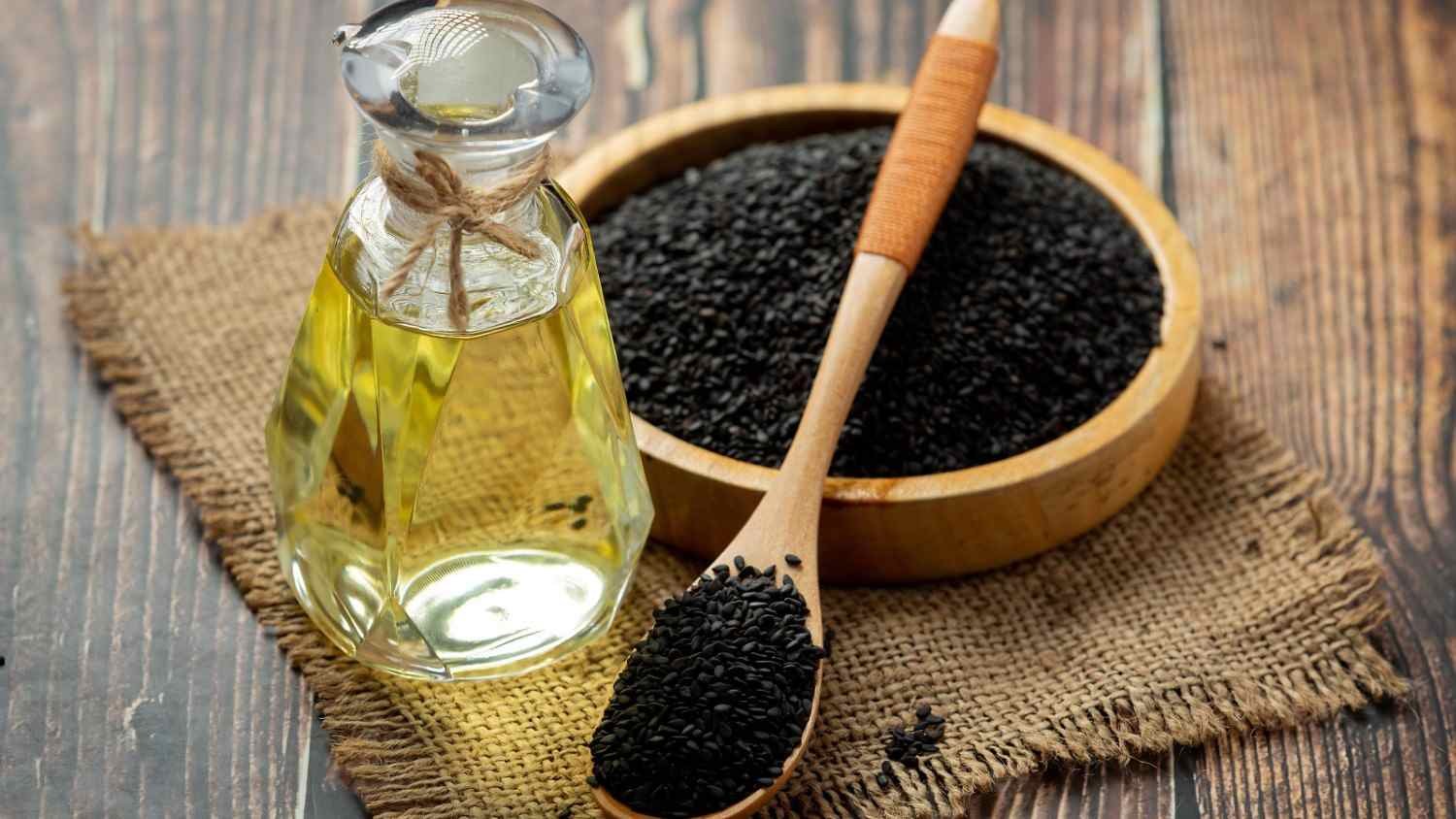
Black seed oil is extracted from the seeds of Nigella sativa, also known as black cumin, kalonji, or the blessed seed. The oil is most commonly produced through cold-pressing, a method that preserves its full complement of bioactive compounds. The most significant of these is thymoquinone — a potent antioxidant and anti-inflammatory compound responsible for many of the oil’s most studied therapeutic effects.
The seeds also contain essential fatty acids (linoleic and oleic acid), Vitamins B1, B2, B3, and C, minerals including zinc, iron, calcium, and selenium, and a range of flavonoids and alkaloids. This rich nutritional matrix gives black seed oil a multi-system impact that few natural supplements can match.
It has been used in Arabic, Ayurvedic, and Chinese medicine for millennia, prescribed for everything from digestive complaints and respiratory conditions to skin disorders and infections. Modern science has validated many of these traditional uses through controlled clinical trials.
Benefits of Black Seed Oil for Hair
Black seed oil has become one of the most popular natural hair care treatments, and the science behind its efficacy is genuinely solid.
May Support Hair Health and Growth
Black seed oil benefits hair at multiple levels. Its antifungal and antimicrobial properties combat scalp conditions such as dandruff and seborrheic dermatitis — both of which disrupt the hair growth cycle and contribute to shedding. Its essential fatty acids nourish the hair shaft from the inside out, reducing breakage and adding elasticity and shine. Its antioxidant content protects follicles from the oxidative stress that weakens hair at the root. Some preliminary studies have also found that topical application can slow or partially reverse certain forms of hair loss, including telogen effluvium and alopecia areata, by reducing scalp inflammation and creating a healthier follicular environment.
To use it for hair, massage a small amount into the scalp two to three times per week and leave on for at least thirty minutes before shampooing. It can also be mixed with other carrier oils such as coconut or castor oil, or used as an overnight deep-conditioning treatment.
How to Use Black Seed Oil
Oral Supplementation
The most common approach for internal benefits is one to two teaspoons of cold-pressed oil daily, or 1,000–2,000 mg in capsule form. Its strong, peppery flavour can be softened by mixing with honey, warm water, or a smoothie. Starting with half a teaspoon per day and gradually increasing allows the body to adjust.
Topical Application for Skin
Apply a small amount of pure black seed oil directly to the affected skin area once or twice daily. For facial use, dilute with a lighter carrier oil such as jojoba to reduce intensity. Always perform a patch test on the inner wrist before full application.
Hair and Scalp Treatment
Massage into the scalp two to three times per week, leave on for thirty minutes, then shampoo thoroughly. For a deeper treatment, apply overnight under a silk scarf and wash out in the morning. Can be blended with coconut or castor oil for enhanced conditioning.
Black Seed as a Daily Health Supplement
Many people add black seed oil to their general wellness routine as a preventative supplement rather than targeting a specific condition. In this context, a daily dose of one teaspoon or 500–1,000 mg in capsule form is typical, taken consistently over several months to build and sustain its effects.
Side Effects and Risks
Black seed oil is well tolerated by the majority of healthy adults at recommended doses. The following potential side effects and interactions are worth being aware of:
- Digestive discomfort: Nausea, bloating, or stomach upset may occur, particularly on an empty stomach. Taking with food reduces this risk.
- Skin irritation: Topical use may cause contact dermatitis in sensitive individuals. Always patch test first.
- Blood pressure interactions: May enhance the effects of antihypertensive medication, causing excessively low blood pressure.
- Blood sugar interactions: Can amplify the glucose-lowering effects of diabetes medication, potentially causing hypoglycaemia. Monitor blood sugar carefully.
- Blood-thinning effects: May slow clotting. Inform your doctor if you take anticoagulants such as warfarin or are due for surgery.
- Pregnancy: Culinary quantities are generally safe, but medicinal-dose supplementation should be avoided without medical approval.
- Liver metabolism: May affect the processing of certain medications by the liver. Discuss with a pharmacist if you take regular prescription drugs.
Who Should Not Take Black Seed Oil?
Certain groups should approach black seed oil with additional caution or avoid it altogether:
- Pregnant women taking medicinal-strength doses.
- People on anticoagulant drugs such as warfarin or clopidogrel.
- People on diabetes medication, particularly insulin or sulfonylureas.
- People on antihypertensive (blood pressure) medication.
- People on immunosuppressants such as cyclosporine.
- Anyone due for surgery within two weeks — discontinue use beforehand.
- People with significant liver or kidney disease — seek medical supervision.
Dosage: How Much Black Seed Oil Should You Take?
There is no universal recommended daily dose, but the following ranges reflect what has been used in clinical trials:
- General wellness: 1–2 teaspoons (3–5 ml) of oil, or 500–2,000 mg in capsule form, daily.
- Blood sugar management: 1–3 g per day in two divided doses, taken with meals.
- Blood pressure and cholesterol: Approximately 2–3 ml twice daily, as used in clinical trials.
- Asthma and respiratory support: 1–2 teaspoons daily alongside conventional treatment.
- Topical skin or scalp use: No fixed dose — apply as needed to the affected area.
Begin with a lower dose and increase gradually. Effects typically become measurable after four to eight weeks of consistent daily use. Allow at least two to three months before evaluating long-term results.
Frequently Asked Questions
Is it OK to take black seed oil every day?
Yes, daily use at recommended doses is considered safe for most healthy adults. Many clinical studies have involved daily supplementation over periods of eight to twelve weeks without adverse effects. For long-term use at higher doses, periodic review with a healthcare provider is advisable.
Who cannot take black seed oil?
People on blood-thinning, diabetes, blood pressure, or immunosuppressant medications should consult their doctor first. Pregnant women should avoid medicinal doses. Those with significant liver or kidney disease should use it only under medical supervision.
Does black seed oil grow hair?
Preliminary research and widespread traditional use suggest black seed oil can support a healthier scalp environment and reduce certain causes of hair loss. It is not a proven standalone treatment for pattern baldness, but consistent topical use as part of a broader hair care routine can make a meaningful difference in scalp health, hair strength, and reduced shedding.
How long does it take for black seed oil to work?
Most studies show measurable effects after four to eight weeks of consistent daily use. Some people notice improvements in energy, digestion, or skin within two to three weeks. For blood sugar, blood pressure, or hair growth, allow at least six to eight weeks before evaluating results.
Can I take black seed oil every day?
Yes. Consistent daily use is the most effective approach for most of its health benefits. Use at the recommended dose for your specific health goal and give it at least two months to demonstrate its full effect.
Final Thoughts
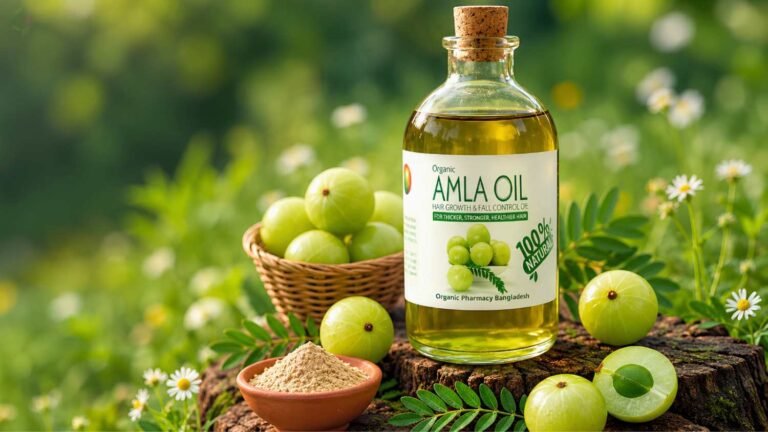
There are many benefits of using black seed oil and Amla oil together. Few natural supplements offer the depth and breadth of clinically supported benefits that black seed oil provides. From reducing inflammation, improving blood sugar and blood pressure, supporting respiratory and immune health, and protecting the brain and kidneys, to transforming the condition of your skin and hair — its range of applications is extraordinary.
The key to experiencing these benefits is consistent, long-term use at appropriate doses, combined with a good-quality cold-pressed product and a balanced overall lifestyle. It is not a miracle cure, but it is one of the most genuinely multi-beneficial natural supplements backed by real scientific evidence.
Whether you are adding it to your daily wellness routine or targeting a specific health concern, black seed oil is a remarkably well-researched and versatile tool worth incorporating. Introduce it gradually, listen to your body, and consult your healthcare provider if you are taking any regular medication.