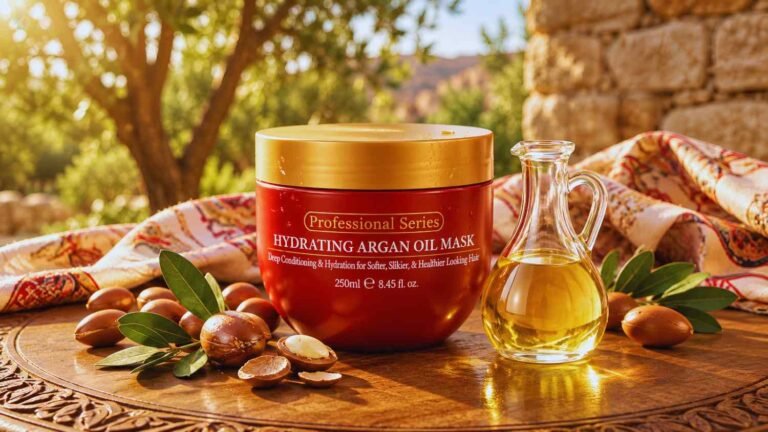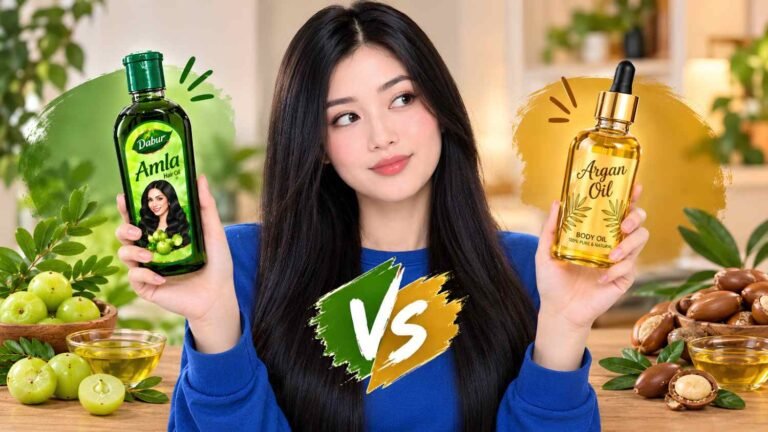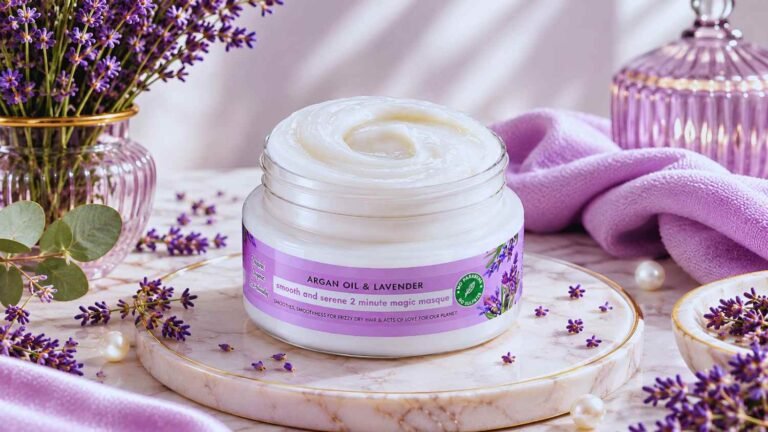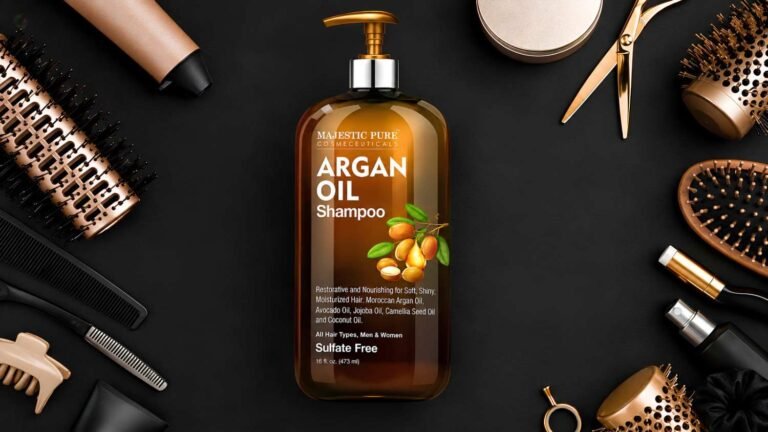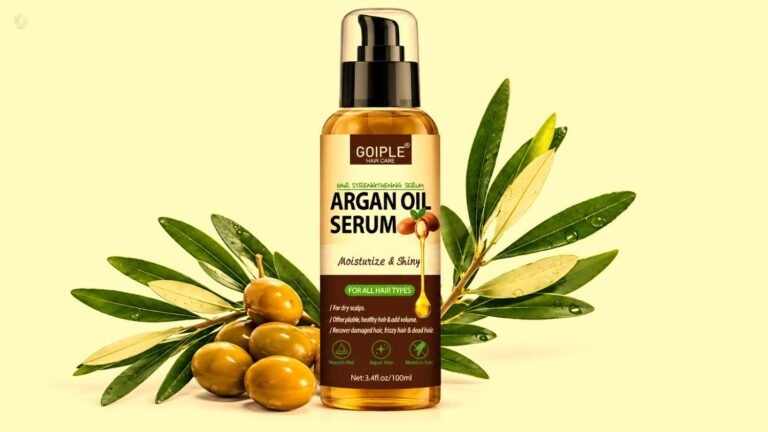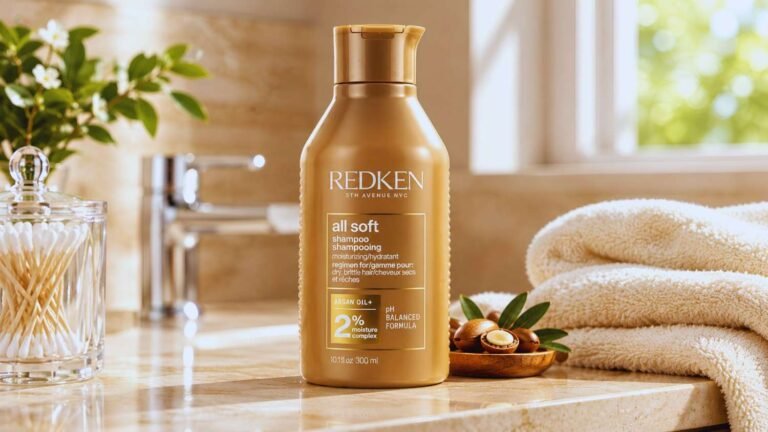
When we say liquid gold, do you know what does that mean ? What if I tell you, there is a liquid which is helpful for your hair, skin, and nails. It is also useful for heart and reduce aging. Yes, its nonother than Argan oil. We will be discussing about the Argan oil and its benefits, who should use it and how to use it ? Explore the full blog.
Argan oil has been the delicious main source of tasty food but also it was the main source of getting healthy because of its wide array of potential health benefits. Some people name it argon oil, so don’t worry if its named argon, its the same oil.
What is Argan Oil ?
Argan oil is know as a supplement for hair and skin products, but its uses go beyond the cosmetics product. The oil has a very tasty nutty taste which is used for a large verity of food. Its also one of the rarest culinary oils in the world.
The oil is made from the green tree named argan, which is native to Morocco. The fruit is peeled away and the seeds are dried, roasted and pressed to extract the oil.
Argan Oil vs. Other Oils: How Does It Compare?
Argan oil is often compared to other popular oils like olive oil, sunflower oil, and rapeseed oil — but how does it really stack up? Here’s a simple breakdown.
Fatty Acids & Oleic Acid Content
Argan oil’s fatty acid profile is similar to sesame oil and peanut oil. However, it contains less oleic acid (around 45%) compared to olive oil and rapeseed oil (around 60%), which are known for being among the healthiest oils due to their higher oleic acid levels.
Oxidative Stability
When it comes to heat stability, argan oil performs similarly to sunflower oil. In lab tests, when heated to 63.5°C, no hydroperoxides (signs of oxidation) were detected using Nuclear Magnetic Resonance (NMR) analysis — meaning argan oil holds up well under heat.
Sterol Content
Unlike many other oils, argan oil does not contain β-sitosterol. Instead, it contains two unique plant sterols: spinasterol and schottenol.
Vitamin E (α-Tocopherol) Levels
Argan oil contains less vitamin E than its competitors:
- Argan oil: ~50 mg/kg
- Olive oil: ~190 mg/kg
- Sunflower oil: ~532 mg/kg
Squalene Content
Squalene, a compound valued for skin and antioxidant benefits, is found in different amounts across oils:
- Argan oil: ~3,130 mg/kg
- Olive oil: ~4,990 mg/kg
- Sunflower oil: only ~60 mg/kg
Phenolic Compounds & Antioxidants
Both sunflower oil and olive oil contain higher levels of phenolic compounds than argan oil. That said, argan oil still offers a rich mix of antioxidant-rich phenols, including ferulic acid, caffeic acid, syringic acid, p-hydroxybenzoic acid, vanillic acid, tyrosol, oleuropein, epicatechin, catechin, and catechol. These polyphenols are powerful natural antioxidants that help protect cells from damage.
So while argan oil may have lower levels of oleic acid, vitamin E, and phenolic compounds compared to olive and sunflower oil, it still holds its own with strong heat stability and a unique blend of antioxidant compounds, making it a valuable oil in its own right.
Benefits of Argan oil
There are hundreds benefits of argan oil like it boosts immune system, it helps your body to repair your eyes and skin also the heart. It is also beneficial for cholesterol control, cancer fighting properties, anti aging, wound healing, and stretch marks.
We are going to discuss in depth advantages of argan oil.
1. Contains Essential Nutrients
Argan oil and its benefits are limitless, one of them is it contains essential nutrients. Argan oil contains fatty acids and a variety of phenolic compounds.
Most of the fat come from oleic acid and linolic acid which is for skin barrier repair, deep moisturization c, sebum regulation and anti inflammatory.
These two nutrients boost your level of Vitamin E.
2. Antioxidant and Anti-Inflammatory Properties
The different phenolic compounds are the reason of its being rich in antioxidant and inflammatory capacities.
Argan oil is rich in Vitamin E which serves as a potent antioxidant to reduce the damaging effect of free radicals.
Some researches have shown that it is useful to use the argan oil and black seed oil on your skin to reduce inflammation caused by injuries or infections.
These results show that how effective is argan oil for inflammation but there is need of more research in this era.
3. Benefits of Argan Oil for Heart Health
Argan oil is rich in oleic acid which is a source of Omega 9 fat.
Oleic acid is also available in other foods including avocadoes and olive oil and it is credited as heart protective effects.
A small study shows that olive oil benefits or argan oil are compared as compound of reducing heart disease risk because of its impact in antioxidant levels in blood.
4. May Have Benefits for Diabetes Management
Some of the study shows that uses of argan oil will help you to prevent diabetes.
Two studies have shown that argan oil with sugar fed to a mic, which showed a significant seduction of blood sugar and insulin resistance.
These studies have a largely attributed these antioxidant content of oil.
However, these studies does not show that it is same for humans, human needs a research on humans.
5. May Have Anticancer Properties
One of the benefits of argan oil is, use of argan oil will slow the growth of cancer cells.
Argan oil is good for its being anti cancer, a study has shown that polyphenolic compound from argan oi applied to prostate cancer cells.
The result was the argan oil slowed down the cancer cells 50%.
One more study shows that pharmaceutical mixture of Argan oil and Vitamin E increase the death of cancer cells in breast and colon cancer sample.
These are the studies which are done in some kind of tubes not in humans, there is also need of tests in humans which will show that is it good to treat human for cancer with argan oil.
6. May Reduce Signs of Skin Ageing
Argan oil is used in cosmetic products to slow down aging. A study has shown, if you apply argan oil twice a daily it has a significant changed in your skin.
A 2015 clinical study involving postmenopausal women found that twice-daily application of argan oil to the face significantly improved skin elasticity after 60 days — a key marker of youthful, resilient skin. The mechanisms include:
- Vitamin E rebuilding the skin’s lipid barrier, locking in moisture and preventing transepidermal water loss.
- Antioxidants neutralising UV-generated free radicals that break down collagen and elastin fibres.
- Oleic acid penetrating the dermis to support collagen synthesis and maintain structural integrity.
- Plant sterols modulating inflammation that accelerates photoageing.
Regular use results in visibly firmer skin, reduced fine lines, and a more even skin tone — particularly around the eye area and on sun-exposed skin.
7. May Treat Some Skin Conditions
Argan oil was a remedy for skin treatment in ancient times. Especially in north America where argan tree is originated.
There are very limited scientific evidences which shows that use of argan oil is beneficial for skin but it is still used for broken skin and inflamed skin.
Argan oil contains antioxidant and anti inflammatory compounds because of which is is considered for skin.
Important: For clinical skin conditions, argan oil should complement — not replace — prescribed treatments. Consult a dermatologist before using any new oil on inflamed or broken skin.
8. May Promote Wound Healing
An animal was given argan oil for 15 days twice a day for its wound and it recovered its tissues well because of that some scientists say that argan oil is good for healing the wound.
This study was on a rat but it is does not show that it is good for humans.
Human needs research on human.
9. Deeply Moisturises Skin and Hair
Argan oil is one of the most effective natural moisturisers available for both skin and hair, thanks to its unique fatty acid composition. Unlike water-based moisturisers that sit on the skin’s surface, argan oil’s oleic and linoleic acids integrate directly into the skin’s lipid bilayer and hair’s cuticle structure.
For Skin
- Penetrates quickly without a greasy residue, even on oily skin.
- Reinforces the skin’s moisture barrier to prevent transepidermal water loss.
- Particularly effective for very dry areas: heels, elbows, knees, and hands.
- Can be used as a daily facial oil, body moisturiser, or overnight treatment.
For Hair
- Seals the cuticle layer, locking moisture into each strand and dramatically reducing frizz.
- Restores shine and softness to dry, colour-treated, or heat-damaged hair.
- Lightweight enough to use on fine hair without weighing it down.
- Effective as a leave-in treatment, a pre-shampoo mask, or a finishing oil.
10. Often Used to Treat and Prevent Stretch Marks
Argan oil is widely recommended in pre- and postnatal care for its ability to improve skin elasticity and reduce the severity of stretch marks. Vitamin E supports the skin’s structural proteins (collagen and elastin), keeping it supple and resilient as it stretches. A 2016 study found that a water-in-oil cream containing argan oil significantly improved skin elasticity in postmenopausal women, supporting its use in stretch mark prevention.
For best results, apply warm argan oil twice daily to the abdomen, thighs, hips, and breasts during pregnancy, starting from the second trimester. Consistent application over several weeks yields the most noticeable improvement.
11. Sometimes Used to Treat Acne
Counterintuitively, argan oil can be beneficial for acne-prone skin. Its non-comedogenic rating (0 — meaning it does not clog pores) and its high linoleic acid content make it particularly suitable. People with acne tend to have lower levels of linoleic acid in their sebum, which contributes to the thick, pore-blocking sebum associated with breakouts. Topical linoleic acid from argan oil helps normalise sebum composition.
Additionally, argan oil’s anti-inflammatory and mild antimicrobial properties help reduce the redness and swelling around active spots. It works best as part of a consistent routine rather than a spot treatment, and is most effective for mild-to-moderate acne rather than severe cystic acne.
12. Is Argan Oil Good for Your Hair?
Argan oil comes from the kernels of the argan tree, a species that grows almost exclusively in southwestern Morocco’s Souss Valley, a region protected under UNESCO Biosphere Reserve status. For hair care, the cold-pressed, unroasted cosmetic-grade version is used, prized for its high concentration of vitamin E, oleic acid, linoleic acid, and antioxidant polyphenols.
This nutrient profile is exactly why argan oil earned its “liquid gold” reputation in hair care, and why dermatologists and cosmetic chemists frequently point to it as one of the more evidence-supported plant oils for hair conditioning.
For Frizzy Hair
Argan oil’s fatty acid content helps smooth the hair cuticle, the outer layer of the hair shaft, reducing the roughness that causes frizz in humid conditions. A small amount applied to damp or dry hair coats the cuticle just enough to calm flyaways without leaving a greasy film.
For Fine Hair
Because argan oil is naturally lightweight compared to heavier oils like castor or coconut oil, it can be used sparingly on fine hair without weighing it down. Applying it only to the ends, rather than the roots or scalp, is the safest approach for fine or low-porosity hair types.
For Curly Hair
Curly and coily hair textures tend to lose moisture faster than straight hair, since natural scalp oils have a harder time traveling down the hair’s curved structure. Argan oil’s moisture-sealing properties make it a popular addition to curly hair routines, often layered under a heavier butter or cream as part of the LOC (liquid-oil-cream) method.
For Color-Treated and Chemically Processed Hair
Coloring, bleaching, and chemical straightening all weaken the hair’s protein structure. Argan oil’s vitamin E content helps combat the oxidative stress this causes, making it a common recommendation for post-color hair care routines alongside protein treatments.
For Scalp Health
Massaged into the scalp, argan oil’s antioxidant and moisturizing properties may help soothe dryness and flakiness. A healthier scalp environment is considered a foundational factor for sustained, healthy hair over time.
Is argan oil good for your hair ?
The research on this is mixed. One review found no solid evidence that argan oil boosts hair growth or improves hair quality, yet other studies point to real benefits, including added hair protection. Separately, research on argan extract, which contains argan oil, suggests it may support cell growth within hair follicles while helping guard against inflammation and other harmful reactions in the body.
How to Prepare Argan Oil
Argan oil can be eaten or applied topically, so it’s essential to choose the right type for your needs. Food, grade argan oil, also called virgin argan oil or culinary argan oil — is available at health food stores, Moroccan grocery stores, or online, and is certified safe for consumption, unlike varieties made for hair or skin use.
In Morocco, argan oil is traditionally used as a dipping oil or drizzled over dishes rather than used for cooking, since it burns easily at high heat. It’s best enjoyed cold or stirred into warm foods after cooking is complete.
Here are some simple ways to add argan oil to your daily diet:
- Make amlu (amlou), a traditional Moroccan dip combining roasted, ground almonds, honey, and argan oil
- Whisk it into a homemade salad dressing
- Blend it into hummus for extra flavor
- Drizzle it over grilled fish
- Spread it on bread as a flavorful topping
- Stir it into rice or couscous
The Bottom Line
The benefits of argan oil are wide-ranging, well-supported by science, and accessible to almost everyone. Whether you are applying it to your face for a more youthful complexion, working it through your hair for frizz-free shine, or drizzling it over your salad for cardiovascular support, this Moroccan liquid gold delivers results that justify its reputation. Choose a certified, cold-pressed product from a traceable source, use it consistently, and you will understand within weeks exactly why argan oil has remained a treasured ingredient for centuries.
Argan Oil FAQ
Is argan oil good for your hair?
Yes, for most hair types. Its combination of vitamin E, essential fatty acids, and antioxidants makes it effective for reducing frizz, adding shine, and improving manageability, particularly for dry, curly, or color-treated hair.
Can I use argan oil on my face every day?
Absolutely. Pure argan oil is non-comedogenic, lightweight, and gentle enough for daily facial use. Apply 2–3 drops morning or evening after cleansing and before SPF or moisturiser.
Should I use argan oil on my scalp?
Yes, with care. Massage a small amount of argan oil into the scalp as a weekly treatment to hydrate, reduce dandruff, and support follicular health. Avoid applying too much too frequently if you have an oily scalp.
What is the difference between cosmetic and culinary argan oil?
Cosmetic argan oil is cold-pressed from raw kernels and used on skin and hair. Culinary argan oil is pressed from lightly roasted kernels, giving it a nutty flavour and darker colour suited to cooking and dipping.
Is argan oil safe during pregnancy?
Topical use of argan oil during pregnancy is considered safe and is commonly used to prevent stretch marks. Culinary argan oil at normal food amounts is also safe. Always consult your midwife or doctor if in doubt.
How long does argan oil last?
Properly stored in a dark glass bottle away from heat and light, argan oil has a shelf life of 18–24 months. The natural vitamin E acts as a preservative, but always check for rancid odour before use.