Amla oil and argan oil both carry serious reputations in hair care, but they come from completely different parts of the world and work in noticeably different ways. If you’re trying to decide between the two, here’s an honest, practical breakdown.
Where Each Oil Comes From
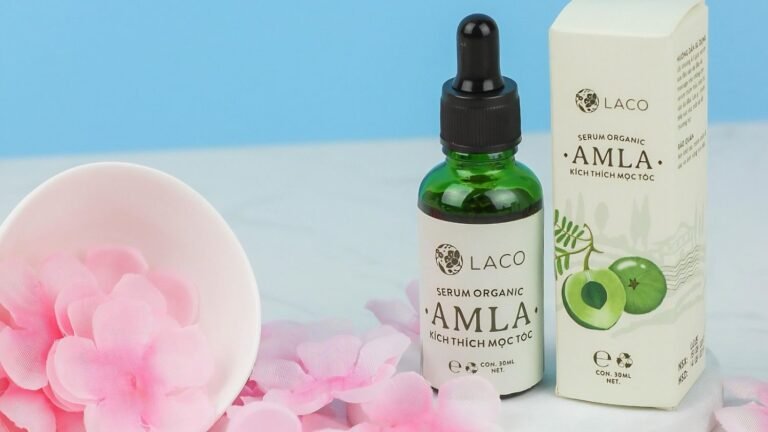
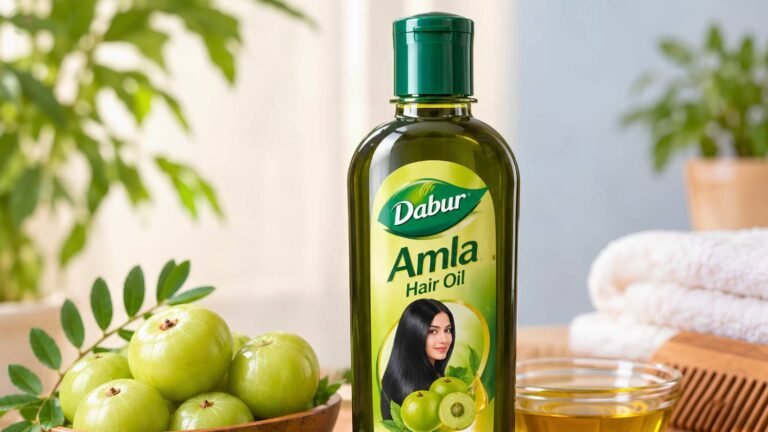
Amla oil originates in the Indian subcontinent, made by infusing Indian gooseberry, or Phyllanthus emblica, into a carrier oil. It’s been part of Ayurvedic hair care for centuries, valued specifically for its exceptionally high vitamin C content.
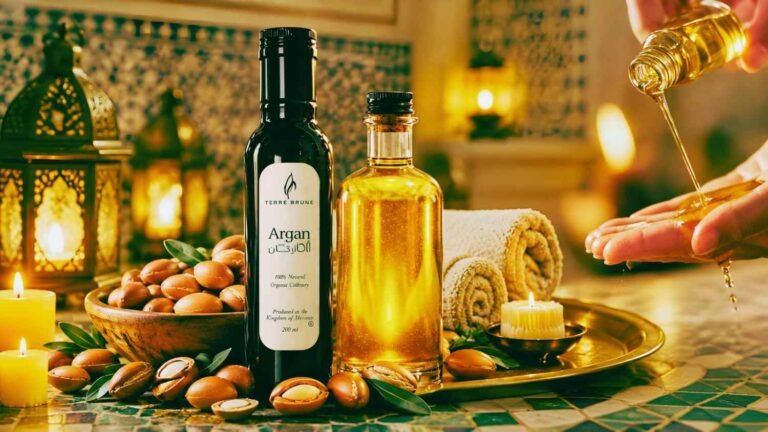
Argan oil, by contrast, comes from the kernels of the argan tree, a species found almost exclusively in southwestern Morocco. It’s extracted through pressing rather than infusion, giving it a fundamentally different production process from the start.
Nutrient Profile: Vitamin C vs Vitamin E
This is where the two oils genuinely diverge. Amla oil’s standout nutrient is vitamin C, along with antioxidants like gallic acid and polyphenols, compounds tied to collagen support and scalp health.
Argan oil, meanwhile, is best known for its high vitamin E content, alongside a rich concentration of monounsaturated fatty acids. Vitamin E is a fat-soluble antioxidant closely associated with moisture retention and protecting hair from oxidative stress.
Neither nutrient profile is objectively superior, they simply target slightly different aspects of hair health, vitamin C leaning toward strength and scalp support, vitamin E leaning toward moisture and shine.
Texture and Absorption
Argan oil tends to feel noticeably lighter than amla oil, largely because it’s rarely diluted into a heavier carrier oil the way amla oil almost always is. This makes argan oil a popular choice for people who want quick absorption without a heavy, greasy finish.
Amla oil, particularly when blended into a coconut or sesame oil base, carries more weight and takes longer to fully absorb. For thicker, coarser hair types, this isn’t necessarily a downside, but for fine or low-porosity hair, it’s worth applying more sparingly.
Which One Is Better for Hair Growth?
Neither oil dramatically speeds up hair growth in a literal sense, but each supports the process differently. Amla oil’s strength lies in nourishing the scalp and strengthening the hair shaft, which helps reduce breakage and retain length over time.
Argan oil’s contribution leans more toward sealing in moisture and reducing frizz, which protects hair from the kind of dryness-related breakage that comes from daily manipulation and styling. Both approaches ultimately support the same outcome, healthier hair that holds onto length, just through different mechanisms.
Which One Is Better for Grey Hair?
Amla oil has the stronger traditional reputation here. Ayurvedic practice has long used amla specifically to help slow premature greying and support natural hair pigment.
Argan oil doesn’t carry the same pigment-related history, though its moisturizing properties can make grey or coarse hair, which tends to run drier, look shinier and feel healthier. If premature greying is your main concern, amla oil is the more targeted choice.
Price and Availability
Amla oil is generally more affordable and widely available, particularly across South Asia, with well-known brands offering accessible pricing. Argan oil tends to carry a higher price tag, largely due to its limited growing region and labor-intensive hand harvesting process in Morocco.
If budget is a significant factor, amla oil is the more accessible everyday option, while argan oil is often treated as more of a premium addition to a routine.
Can You Use Amla Oil and Argan Oil Together?
Yes, and many people already layer the two without necessarily labeling it that way. A common approach is using amla oil for regular scalp massages, targeting strength and scalp health, then applying a small amount of argan oil to the ends for added shine and frizz control.
This combination lets you benefit from amla’s scalp-focused nourishment alongside argan’s lightweight moisture and shine, without having to choose one exclusively over the other.
Which One Should You Choose?
If your main concern is scalp health, breakage, or premature greying, amla oil is the more targeted, traditional choice. If you’re dealing with frizz, dryness, or want a lightweight oil that absorbs quickly without weighing hair down, argan oil is generally the better fit.
For many people, the honest answer isn’t picking one permanently, it’s understanding what each oil does well and reaching for the right one depending on what your hair needs that week.
Final Thoughts
Amla oil and argan oil represent two very different hair care traditions, one rooted in Ayurvedic scalp care, the other in Moroccan moisture and shine rituals. Neither is universally “better,” and the right choice comes down to your hair type, your main concern, and even your budget.
Used thoughtfully, either oil, or both together, can be a genuinely valuable addition to a hair care routine.
This article is for general informational purposes and isn’t a substitute for professional dermatological advice. If you have a scalp condition or known allergies, patch-test any new oil before regular use.