Beef Tallow vs Coconut Oil for Skin: Which Is Better?
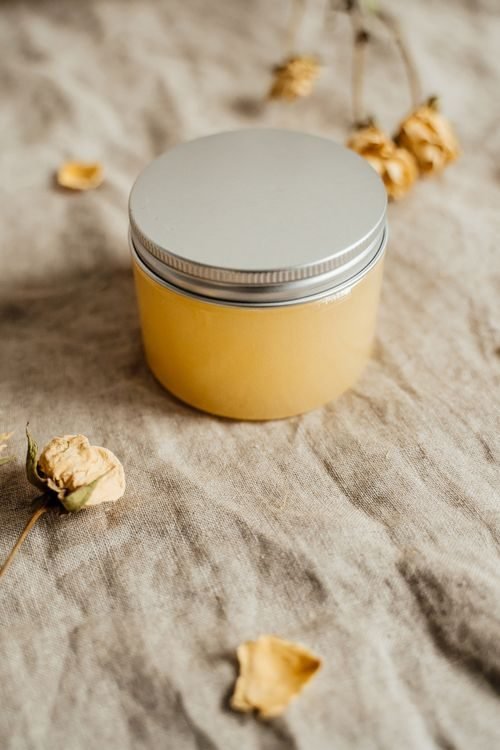
Beef tallow vs coconut oil for skin has become a real debate, and it is easy to see why. Tallow moisturisers have surged with the “ancestral skincare” trend, promising a return to simple, single-ingredient fats, while coconut oil has been the budget natural moisturiser for years. Both are rich, fatty, and cheap compared with many creams, but they behave quite differently on the skin. This beef tallow vs coconut oil comparison covers what each one is, who it suits, and the honest limits of the evidence, so you can choose based on your skin rather than a trend.
What Is Beef Tallow?
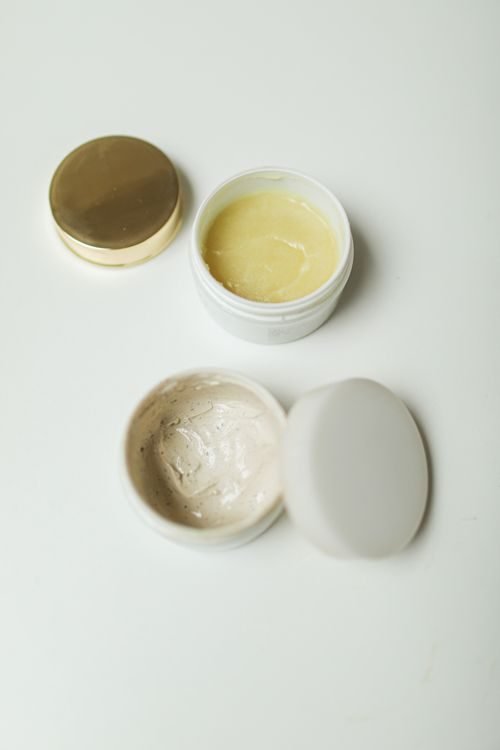
Beef tallow is rendered fat from cattle — the same kind of fat traditionally used for cooking, now whipped or blended into balms for skin. Its fatty acids, mostly oleic, palmitic, and stearic acid, resemble some of the fats found in human skin oil, and that resemblance is the main argument people make for it: the idea is that skin recognises it and absorbs it well. Fans also point out that a plain tallow balm is free of the fragrances, preservatives, and long ingredient lists found in many creams.
The honest counterweight for beef tallow vs coconut oil is that there are no strong clinical trials showing tallow outperforms standard moisturisers. Most of the enthusiasm comes from personal experience and tradition, not controlled studies. That does not mean it cannot work as a moisturiser — fats lock in moisture, and that is basic skin science — but the bigger claims, like tallow healing skin conditions, have not been proven. Judge it on how your skin feels, not on what a sales page promises.
What Is Coconut Oil?
Coconut oil is a plant fat made up largely of lauric acid. It is solid in a cool room and melts at skin temperature, spreads easily, and works as an occlusive, meaning it slows water loss from the skin. Lab studies show lauric acid has antimicrobial activity in a petri dish, but that does not automatically translate into clearer or healthier skin on a real face — skin is far more complicated than a lab dish, and an oil sitting on it behaves differently from an isolated compound in a test tube.
Coconut oil does have some small studies behind it, mostly for dry skin and eczema in children, where it performed reasonably as a plain moisturiser. It is also one of the most widely used hair oils in the world, and if your interest is hair rather than skin, our guide to coconut oil and Jamaican black castor oil shows how it pairs with a heavier sealing oil. For skin, though, its biggest drawback is well known: coconut oil is commonly rated high on comedogenic scales, so it is more likely than many oils to clog pores on the face.
Beef Tallow vs Coconut Oil for Skin: Feel, Smell, and Pore-Clogging
Start with feel, because that is what you notice first in beef tallow vs coconut oil. In the beef tallow vs coconut oil comparison, tallow is firm and waxy at room temperature and melts slowly with body heat, leaving a rich, almost balm-like layer. Coconut oil is lighter and more slippery, melts instantly on contact, and spreads further with less product. If you dislike a greasy residue, coconut oil usually feels less heavy — though both can feel greasy if you use too much, and a thin layer is always the right starting point.
Smell is the next difference in beef tallow vs coconut oil, and it surprises people. Tallow can smell faintly meaty or savoury unless it is well filtered and deodorised, which is why good skincare tallow is processed more carefully than cooking tallow. Some people never notice it; others cannot get past it. Coconut oil smells mildly sweet and familiar, unless it is refined, in which case it smells of almost nothing. If scent matters to you — and on a product you wear all day, it should — smell both before committing to a full jar.
On pore-clogging, beef tallow vs coconut oil ends in no clean win for either side. Coconut oil’s high comedogenic rating is well documented, so acne-prone faces should be cautious with it. Tallow has little formal testing, so there is no reliable rating at all — and the absence of a rating is not a clean bill of health, because many people still report breakouts from it. In practice, both are heavy fats, and heavy fats on an acne-prone face are a gamble either way. If breakouts are your main concern, lighter oils are a better starting point, as explained in our hemp seed oil for cystic acne article, which also explains why no oil treats deep acne on its own.
Beef Tallow vs Coconut Oil for Skin: The Evidence, Honestly
Put side by side, the beef tallow vs coconut oil evidence gap is stark. Coconut oil has some small studies, mostly around dry skin and childhood eczema, plus decades of widespread use that at least tells us it is generally tolerated on the body. Tallow has almost no published clinical research for skin at all. That does not make tallow useless — plain fats are effective moisturisers by nature — but it does mean anyone claiming tallow is scientifically superior is getting ahead of the data.
It also helps to ask what “better” even means for beef tallow vs coconut oil. A moisturiser’s job is to reduce water loss, soften rough skin, and not cause irritation or breakouts. Both fats can do the first two on the body; the third depends on your skin type and how much you use, which is why personal testing beats trend-following here.
Which Is Better for Dry Skin?
For very dry skin on the body — heels, elbows, hands, shins in winter — either side of beef tallow vs coconut oil can be effective, and this is where both fats genuinely shine. Apply on damp skin after a shower, when the skin is still holding water, and a thin layer seals that moisture in far better than the same product on dry skin. For cracked heels or rough elbows, the richer, waxier feel of tallow can feel more protective, while coconut oil’s slip makes it easier to spread over larger areas like legs.
If you want something even richer but plant-based, shea butter is worth considering: many people find it gentler than coconut oil and less controversial than tallow, and our shea butter vs coconut oil comparison walks through that choice in detail. And if you are choosing between a plain oil and a proper leave-in product for a wider routine, our hair oils vs leave-in conditioner guide explains when each format earns its place, a distinction that applies to skin routines too: sometimes a formulated cream beats a single fat.

Which Is Better for Acne-Prone Skin?
In beef tallow vs coconut oil terms, neither is a good first choice for the face if you break out easily. Heavy fats can trap oil and bacteria against the skin, and both tallow and coconut oil are heavy. If you have acne, look at lighter oils first, keep fats to the body rather than the face, and ask a dermatologist before trying experimental products — especially if your acne is deep, painful, or scarring, where prescription treatment matters far more than any moisturiser choice. A moisturiser supports your skin while treatment works; it is not the treatment.
Values matter in beef tallow vs coconut oil too, and they are a legitimate part of the decision. Neither option is vegan, but only tallow is an animal product, so vegans and vegetarians will rule it out regardless of performance. Others prefer tallow precisely because it is a single animal fat with no plant-processing steps, or prefer coconut oil because it is plant-based and widely available. There is no wrong answer on values — just be honest with yourself about which factors are actually driving your choice, so you are not disappointed when a product chosen for philosophy does not suit your skin type.
Safety and Sourcing
If you come down on the tallow side of beef tallow vs coconut oil, buy from a trusted source, ideally from grass-fed cattle and made specifically for skin use — not a tub of cooking fat from the supermarket shelf. Skincare tallow should be rendered, filtered, and deodorised for cosmetic use. Homemade tallow can go rancid or carry bacteria if it is not handled properly, and rancid fat on skin is an irritation risk, not a skincare step. For coconut oil, choose unrefined if you want more of the natural scent and fewer processing steps, or refined if you prefer no scent at all; both moisturise similarly.
Whatever you choose in beef tallow vs coconut oil, do a patch test first: a small amount on the inside of your forearm or behind your ear for a few days, watching for redness, bumps, or itching. Discontinue if you see any of those. Store both in a cool, dry place with the lid closed, and keep them away from the face unless your skin clearly tolerates rich products. If you have eczema, allergies, or any diagnosed skin condition, check with your doctor before switching to either — some research on coconut oil for eczema is encouraging, but allergies exist and individual reactions vary.
How to Use Each One
- Apply on damp skin after a shower, when the skin is still holding water — this is when sealing oils work best in beef tallow vs coconut oil routines.
- Use a thin layer. Both can feel greasy, and more product rarely means more moisture; it usually means more residue on your clothes.
- Keep them to the body first. Try the face only after your body skin has tolerated them for a couple of weeks.
- Warm tallow between your palms before applying, so it melts evenly instead of dragging across the skin in a waxy lump.
- Store in a cool, dry place with the lid on, and discard anything that smells off or sharp.
Frequently Asked Questions
Can tallow replace my moisturiser?
For some people with dry body skin, yes — in beef tallow vs coconut oil, a plain fat can be all they need, especially in winter. For others it feels too heavy, causes breakouts, or lacks the humectants (like glycerin) that draw water into the skin, which is why formulated creams still exist. If your skin feels tight even after tallow, you probably need water-attracting ingredients as well as a sealing fat.
Is coconut oil safe for eczema?
Some research is encouraging, particularly for mild dry skin and childhood eczema, but allergies exist and coconut oil can irritate some people. Ask your doctor before using it on eczema, especially on children or on broken skin, and stop if redness or itching increases.
Can I use either on my hair?
Coconut oil is widely used on hair and is one of the few oils with evidence for reducing protein loss from the hair shaft, which is a side benefit worth knowing in any beef tallow vs coconut oil comparison. Tallow is rarely used on hair and tends to be too waxy and hard to wash out. For a hair blend that balances a light oil with a heavy sealer, see our article on coconut oil and Jamaican black castor oil.
Does beef tallow vs coconut oil come down to comedogenic ratings?
Only partly. Coconut oil’s high rating is a real warning sign for acne-prone skin, but tallow’s lack of a rating is not proof of safety — it is proof of missing research. Your own patch test tells you more than any scale, because skin varies so much from person to person.
Which one lasts longer in the jar?
In beef tallow vs coconut oil storage terms, coconut oil is fairly stable at room temperature, while tallow also keeps well if it is properly rendered and stored cool and dry. Both should be discarded if they smell sharp, sour, or “off” — the same rule that applies to any natural fat. Our guide to signs an oil has gone bad explains the warning signs in more detail.
The Bottom Line
In the beef tallow vs coconut oil for skin debate, neither wins outright. In beef tallow vs coconut oil, coconut oil has a little more research, a lighter feel, and a plant-based profile, but a higher pore-clogging risk. Tallow has a loyal following, a rich balm feel, and almost no clinical evidence, plus the animal-product question. Choose based on your skin type, your values, and how your skin actually reacts — and test small before committing to either one as your daily moisturiser.