Argan Oil Shampoo: Does Adding Argan Oil to Shampoo Actually Change Anything?
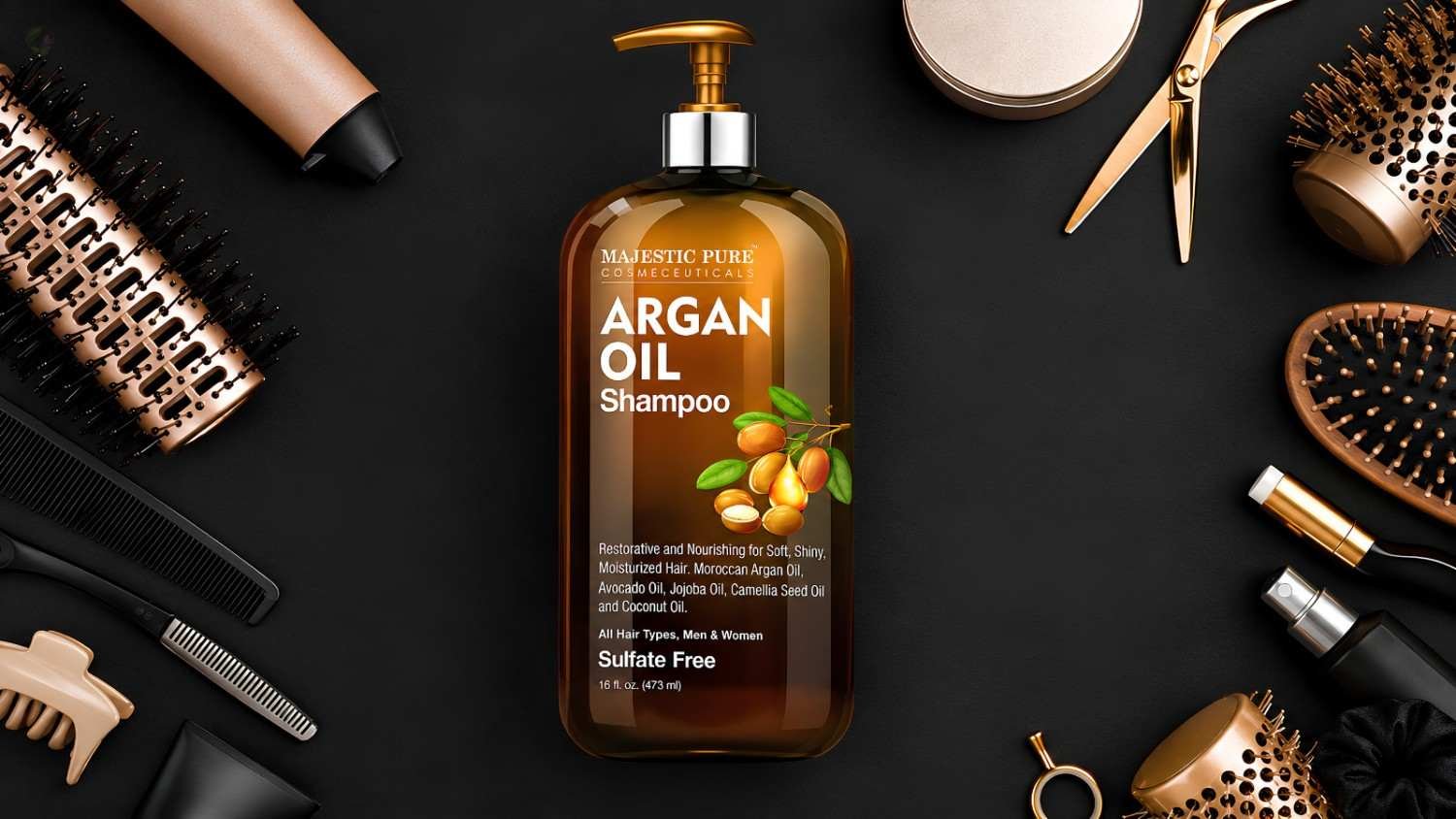
Walk down any shampoo aisle today and you will see argan oil shampoo everywhere, from budget bottles to salon shelves. The promise is tempting: the same nourishing oil everyone praises for dry hair, built right into your everyday wash. But shampoo is a wash-off product. It touches your hair for a minute or two and then goes down the drain, which raises a fair question: does argan oil shampoo actually do anything meaningful in that format, or is it mostly a label claim?
The short answer is that argan oil shampoo is real, but modest. It is not a deep treatment in a bottle, and it will never replace a proper oil treatment or mask. What it can do is make washing gentler, leave a light conditioning film behind, and give normal to slightly dry hair a softer, shinier finish with no extra step. Understanding why it works that way, and where its limits sit, is the difference between buying it with realistic expectations and feeling let down by it.
What Argan Oil Shampoo Actually Is
Most argan oil shampoo formulas work by adding a small percentage of argan oil, or argan-derived ingredients, into an otherwise standard cleansing base. The goal is not to deeply condition your hair the way a leave-in oil would. It is to soften the cleansing process itself, so washing strips less of your hair’s natural moisture.
That distinction matters. A standalone oil sits on your hair for hours and slowly absorbs. Such a shampoo, by contrast, is diluted in water, mixed with surfactants, and rinsed away quickly. The oil in it mostly acts as a mild conditioning agent during the wash, smoothing the cuticle slightly as you cleanse rather than delivering intensive repair.
Formulas differ a lot in how much argan they really contain. Some use pure argan oil near the top of the ingredient list. Others rely on argan oil extract, or argan-derived ingredients much further down the list, where the amount is tiny. Two bottles can both say argan oil shampoo on the front and deliver very different things, which is why the ingredient list matters more than the front label.
The 90-Second Rule: Why Contact Time Changes Everything
Here is an angle most shampoo guides skip: judge such a shampoo by what it does not strip, not by what it deposits. A typical wash gives the product roughly 60 to 90 seconds of contact with your hair. In that short window, no oil can penetrate deeply or repair damage. What a good formula can do in 90 seconds is cleanse without leaving your hair feeling squeaky, straw-like, or tangled.
That is a useful way to set expectations. If your hair feels soft, smooth, and easy to comb right after rinsing, your argan oil shampoo is doing its job. If you are waiting for it to transform damaged ends or regrow anything, you are asking a wash-off product to do a leave-in product’s job, and no shampoo can pass that test. The 90-second rule also explains why people disagree so strongly about argan oil shampoo online: those judging it as a gentle daily cleanser usually like it, while those judging it as a treatment usually feel disappointed.
Does Argan Oil Shampoo Really Work?
The honest answer is that it depends heavily on formulation and concentration, and on what your hair actually needs. Because shampoo is rinsed out quickly, it primarily works as a mild conditioning agent that softens the cleansing process rather than delivering the same intensive moisture a standalone argan oil treatment would.
For people with normal to slightly dry hair, such a shampoo can genuinely feel gentler than a standard formula, leaving hair less stripped and more manageable immediately after washing. For very dry, damaged, or chemically treated hair, shampoo alone, argan-infused or not, usually is not enough, and pairing it with a separate argan oil treatment gives far more noticeable results.
Hair type changes the picture too. Fine hair often loves a light formula because it adds softness without much weight, but a rich, heavy formula can leave fine strands looking flat. Thick or coarse hair, on the other hand, can usually handle a richer argan oil shampoo and may notice the smoothing effect more. Your hair’s porosity matters as well: low-porosity hair, which resists absorbing products, may barely register the difference, while medium-porosity hair tends to show the gentlest, most even result.
Benefits of Using an Argan Oil Shampoo
Gentler Cleansing for Dry Hair Types
Argan oil’s fatty acid content can help offset some of the drying effect of surfactants in shampoo, making argan oil shampoo a reasonable choice for people who find regular shampoo leaves their hair feeling stripped or straw-like. The effect is subtle rather than dramatic, but for daily washers it adds up: less stripping at every wash means less cumulative dryness over weeks.
Added Shine Immediately After Washing
Many people report hair looking slightly glossier right after using an argan oil shampoo, largely due to the light conditioning film left behind even after rinsing. This is surface shine rather than deep repair, but it is real, and it is one of the most consistent things users notice.
A Simple Addition to an Existing Routine
Switching to one does not require learning a new routine or adding an extra step, which makes it an easy, low-effort way to introduce argan oil’s benefits without committing to a separate oil treatment. For people who will never do a weekly mask, that convenience is a genuine advantage.
May Help Reduce Frizz Over Time
With consistent use, some people notice a gradual reduction in frizz and flyaways, particularly in humid climates, though this effect is generally milder than what a standalone finishing oil would provide. If frizz is your main frustration, a gentle shampoo helps at the margins, while a leave-in oil does the heavy lifting. Our guide to how to fix frizzy hair covers the full routine for stubborn frizz.
The Half-Head Test: Judge Your Argan Oil Shampoo in Two Weeks
Here is a practical test almost no shampoo article suggests, and it settles the question for your own hair better than any review. For two weeks, wash one side of your head with your argan oil shampoo and the other side with your previous regular shampoo, keeping everything else the same: same water temperature, same conditioner, same styling. At the end of two weeks, compare the two sides for softness, tangling, frizz, and how your hair feels on the second day after washing.
The half-head test works because hair comparison is otherwise unreliable. Memory is a poor judge of softness, and changing several products at once makes it impossible to know which one helped. Two weeks is long enough for a pattern to show but short enough that you will actually finish the test. If the argan side is clearly softer and easier to comb, the shampoo earns its place in your routine. If you cannot tell the sides apart, you have your answer too, and you can spend that money on a leave-in oil instead, where the difference is usually obvious.
What to Look for in a Good Argan Oil Shampoo
Not every bottle labelled this way delivers the same value, so it is worth checking a few things before buying:
- Ingredient position: Argan oil listed near the top of the ingredient list generally indicates a higher concentration than one buried near the bottom. Look for “Argania Spinosa Kernel Oil” rather than a vague “argan extract” at the very end.
- Sulfate-free formulas: Pairing argan oil with a gentler, sulfate-free base amplifies its moisturizing benefit rather than working against it. A harsh sulfate base can undo much of what the argan oil adds.
- Fragrance load: A shampoo relying mainly on heavy synthetic fragrance to seem luxurious often means the actual argan oil content is minimal. Fragrance is fine, but it should not be the star of the formula.
- Suited to your hair type: Fine hair benefits from a lighter formula, while thicker, coarser hair can generally tolerate a richer one. “For dry and damaged hair” on the label usually means a heavier formula, which is not always what fine hair wants.
- What else is inside: A short, recognizable ingredient list usually beats a long one padded with silicones and fillers. Silicones are not harmful on their own, but a formula leaning on them for slip may be faking the softness that argan oil is supposed to provide.
Argan Oil Shampoo vs a Separate Argan Oil Treatment
This is the comparison that decides whether argan oil shampoo is worth it for you. Such a shampoo cleanses gently and leaves a light film. A pure oil treatment, applied as a leave-in or pre-wash, stays on the hair for hours, penetrates far more, and delivers visibly more softness, shine, and frizz control. They are not rivals so much as different tools: one is maintenance, the other is treatment.
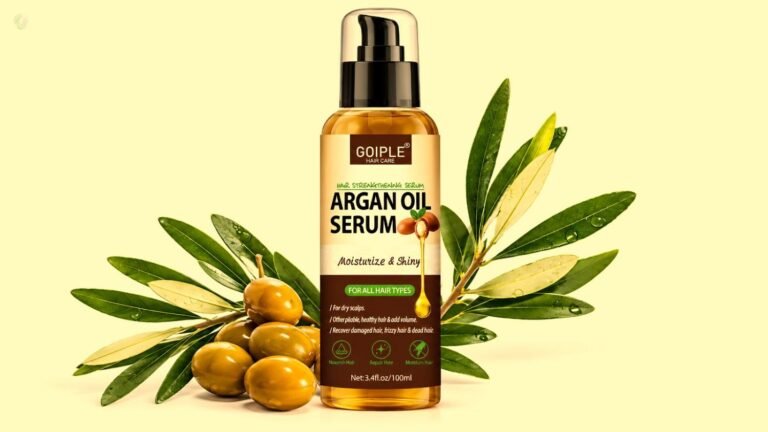
If your hair is generally healthy with mild dryness, one alone can be a sufficient, low-maintenance option. If you are dealing with significant dryness, frizz, or damage from coloring or heat styling, pairing the shampoo with a standalone argan oil treatment will deliver noticeably better results than the shampoo alone. A good middle path is using an argan oil hair mask once a week alongside your argan oil shampoo, so the shampoo handles gentle daily cleansing while the mask does the deeper work. For everyday finishing, an argan oil hair serum on the ends after washing adds the shine and flyaway control that shampoo alone cannot.
Shampoo simply does not stay on hair long enough to deliver the same depth of conditioning as a product designed to sit and absorb. Expecting otherwise is the single biggest reason people feel let down by argan oil shampoo, and it is a problem of expectations, not of the product.
How to Use Argan Oil Shampoo for the Best Result
Technique matters more than most people think, even for a simple wash. Wet your hair thoroughly with lukewarm water, not hot, since very hot water strips moisture and works against the gentle formula. Use a small amount and focus the lather on your scalp, letting the suds run down the lengths rather than scrubbing the ends directly. The ends are the oldest, driest part of your hair and they do not need direct scrubbing.
Always follow an argan oil shampoo with conditioner. Shampoo cleanses; conditioner is what seals the cuticle and locks in softness, and skipping it wastes much of the shampoo’s gentle benefit. Our guide to argan oil conditioner benefits explains how a matching conditioner completes the wash. If your hair is very dry, try a pre-wash oil on the ends ten minutes before shampooing: the shampoo then removes surface dirt while the oil underneath protects the lengths from being stripped. That single habit often makes more difference than switching shampoo brands.
Who Benefits Most, and Who Should Skip It
Argan oil shampoo suits normal to slightly dry hair, daily washers who want a gentler cleanse, and anyone who wants a low-effort introduction to argan oil. It also suits color-treated hair reasonably well, since a gentler, sulfate-free wash helps color last a little longer than a harsh formula would.
It is less useful for very oily scalps, where a richer formula can leave roots feeling coated, and for severely damaged hair, where shampoo alone cannot deliver enough conditioning no matter what oil it contains. People with fine, easily weighed-down hair should choose the lightest argan oil shampoo they can find and keep it off the roots if buildup appears. Anyone with a tree nut allergy should patch-test first, since argan comes from a fruit kernel, and stop use if irritation appears.
Common Mistakes With Argan Oil Shampoo
- Expecting it to replace conditioner or a mask. It is a cleanser with a conditioning edge, not a treatment. Skipping conditioner after it defeats the purpose.
- Washing with very hot water. Heat strips the very moisture the argan oil is trying to preserve. Lukewarm water protects the benefit.
- Using too much product. More shampoo does not mean more argan benefit; it mostly means more surfactant stripping and faster buildup.
- Judging it after one wash. Gentle cleansing shows its value over weeks, as cumulative dryness drops. The half-head test above is a fairer judge than a single wash.
- Assuming every argan label is equal. Ingredient position and base formula matter far more than the size of “argan” on the front of the bottle.
Questions People Ask About Argan Oil Shampoo
Does argan oil shampoo help hair grow?
No shampoo can make hair grow faster from the follicle, and argan oil shampoo is no exception. What it can do is reduce breakage and dryness, which helps you keep the length you already grow. If growth is the goal, the honest lever is less breakage, not a faster follicle, and a gentle shampoo supports that quietly.
Is argan oil shampoo good for color-treated hair?
Generally yes, especially sulfate-free versions, because gentler cleansing fades color more slowly than harsh formulas. It will not repair bleach damage on its own, but as part of a color-care routine it is a sensible choice.
Can argan oil shampoo replace a separate oil treatment?
For healthy hair with mild dryness, it can be enough on its own. For dry, frizzy, or damaged hair, it works best as the supporting player, with a leave-in oil or weekly mask doing the deeper work. Our overview of argan oil for hair shows how the formats fit together, and best argan oil for hair can help if you decide to add a pure oil. If you are torn between oil and leave-in formats, hair oils vs leave-in conditioner lays out when each one wins.
Final Thoughts
Argan oil shampoo is not a gimmick, but it is also not a replacement for a proper argan oil hair treatment. It works best as a gentler, everyday cleansing option that slightly reduces the stripping effect of washing, particularly useful for people with normal to mildly dry hair who want softness without an extra step.
For more significant dryness or damage, think of argan oil shampoo as a supporting player in your routine, not the main event. Judge it by the 90-second rule, test it honestly with the half-head test, and pair it with conditioner and an occasional deeper treatment. Used that way, it earns its place on the shelf honestly, without needing to promise anything it cannot deliver.
This article is for general informational purposes and is not a substitute for professional dermatological advice. If you have a scalp condition or known allergies, patch-test any new product before regular use.
One Comment