Amla Oil for Hair: Benefits, Uses, and How to Get the Best Results
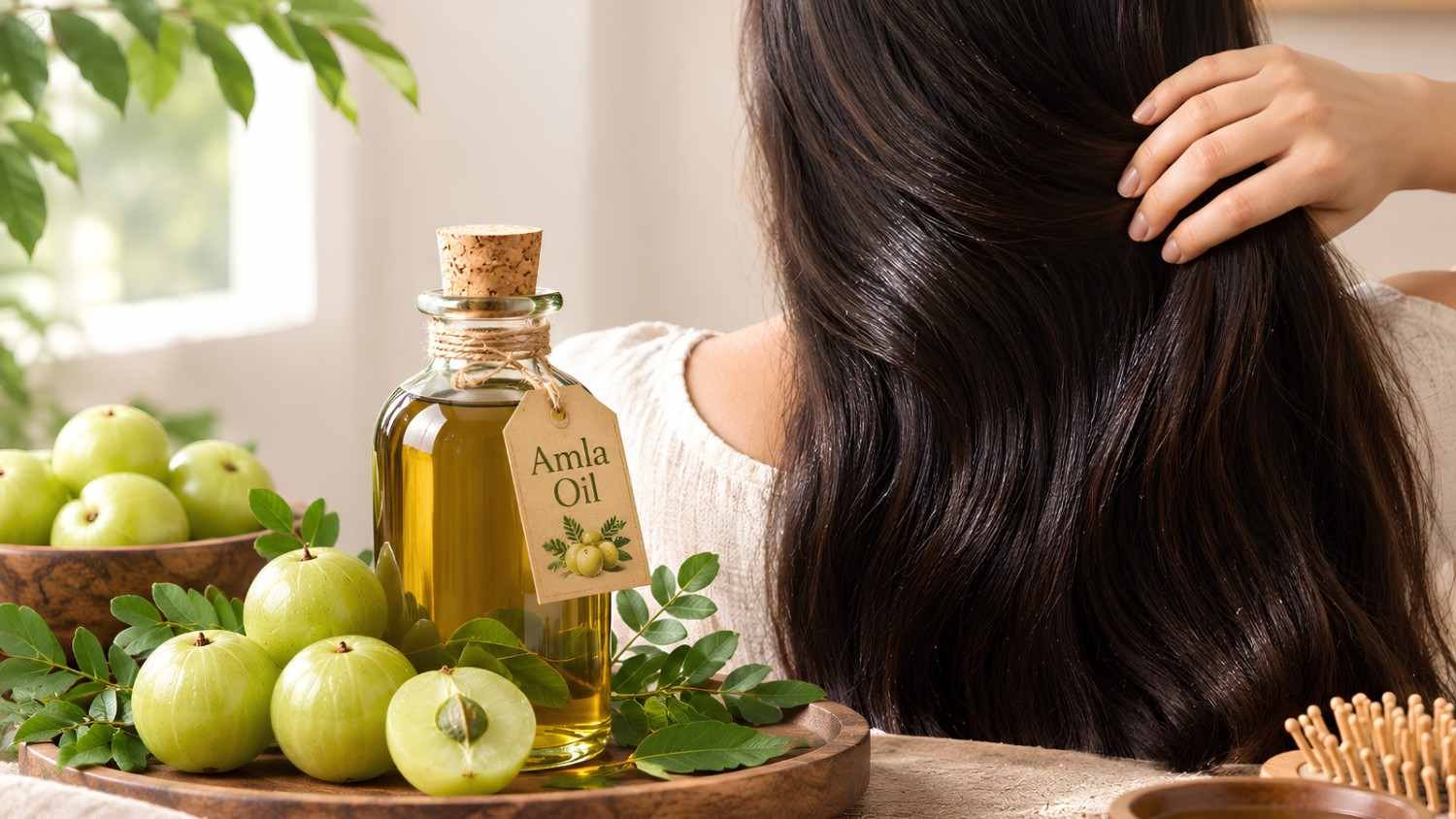
Amla oil has been used for centuries in traditional hair care, and it’s still one of the most searched-for natural remedies today.
Whether you’re dealing with hair fall, dullness, or just want a healthier scalp, amla oil for hair is often one of the first things people try.
In this guide, we’ll cover what amla oil is, its real benefits, how to use it properly, and how to pick the right one for your hair.
What Is Amla Oil?
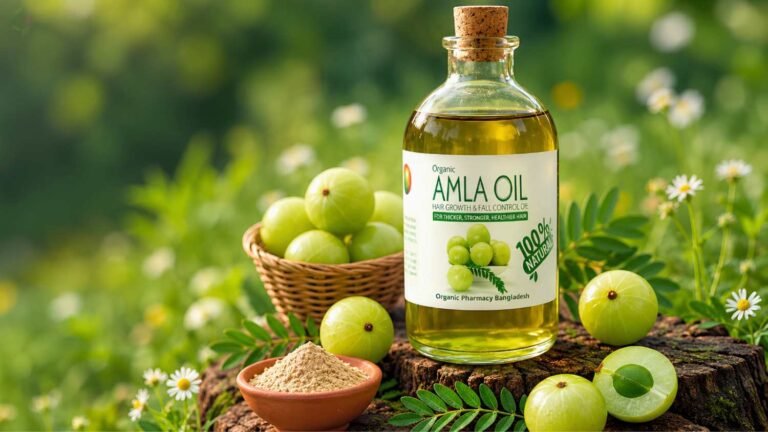
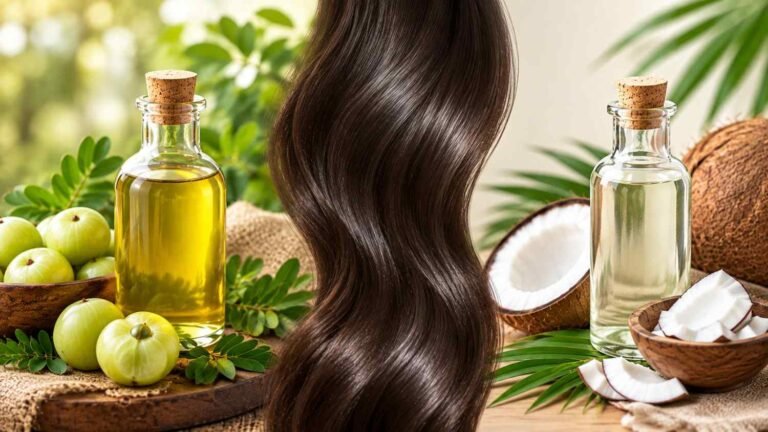
Amla oil is made by infusing amla — also called Indian gooseberry — into a carrier oil like coconut or sesame oil. Amla is naturally rich in vitamin C and antioxidants, which is why it has long been used in Ayurvedic hair care. When people ask “what is amla oil good for,” the short answer is: nourishing the scalp, strengthening hair, and supporting overall hair health.
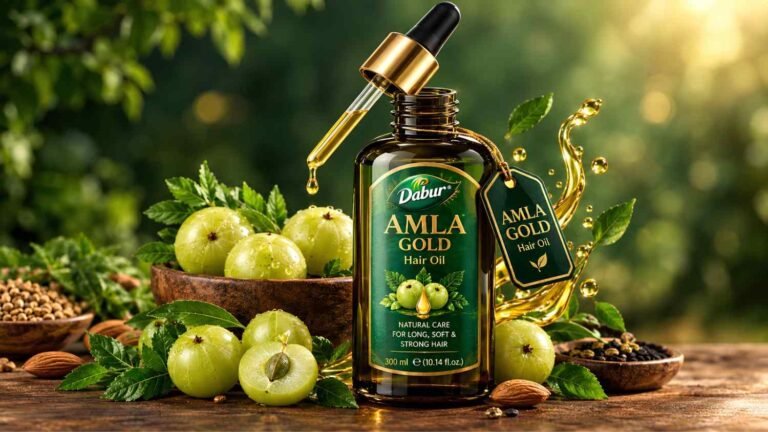
You’ll find amla oil in many forms, from pure amla oil and cold-pressed amla oil to well-known commercial versions like Dabur amla hair oil, as well as blended products such as amla-rosemary oils or amla-infused conditioners.
Benefits of Amla Oil for Hair
Here’s why amla oil remains such a popular choice for hair care:
1. Supports Hair Growth
Amla oil and hair growth go hand in hand in most traditional hair care routines. The vitamin C and antioxidants in amla are believed to nourish hair follicles and support a healthier growth cycle, which is why so many people search for gooseberry oil for hair growth as a natural alternative to chemical treatments.
2. May Help Prevent Premature Greying
One of the most common reasons people look into amla oil for grey hair is its traditional use for maintaining natural pigment.
While it won’t reverse grey hair that’s already there, consistent use is believed to help slow down premature greying over time.
3. Reduces Hair Fall
If you’re dealing with excessive shedding, amla oil for hair fall is a commonly recommended remedy. It’s thought to strengthen the hair shaft from root to tip, which may reduce breakage and thinning with regular use.
4. Deeply Conditions and Adds Shine
Amla oil is naturally moisturizing, which makes it useful for dry, frizzy, or dull hair. Regular scalp massages with amla oil can leave hair looking glossier and feeling softer.
5. Strengthens Weak or Thinning Hair
For thinning hair or hair that breaks easily, amla oil’s nutrient profile is believed to help reinforce the strand structure, making hair more resilient over time.
How to Use Amla Oil for Hair Growth
Getting results from amla oil comes down to consistency and correct application. Here’s a simple routine:
- Section the hair so the oil reaches the scalp directly.
- Warm the oil slightly for better absorption (optional but helpful).
- Massage into the scalp for 5–10 minutes using circular motions to boost blood flow.
- Work the oil through the length of your hair, focusing on dry or damaged ends.
- Leave it on for at least 30 minutes, or overnight for a deeper treatment.
- Rinse out with a mild, sulfate-free shampoo.
Most people see the best results using amla oil 2–3 times a week over several weeks.
Choosing the Right Amla Oil for Your Hair
Not all amla oils are the same, and the right one depends on your hair goals:
- Pure or cold-pressed amla oil – Best for those who want a concentrated, natural option without added fragrances or fillers.
- Organic amla oil – A good choice if you’re avoiding synthetic ingredients altogether.
- Commercial blends (like Dabur amla oil) – Convenient, affordable, and widely available, often combined with other nourishing oils.
- Amla oil with rosemary or bhringraj – These combinations are popular for people specifically targeting hair growth and hair fall.
If you’re wondering is amla oil good for hair, the general consensus is yes, especially as part of a consistent hair care routine — though results vary depending on hair type and how it’s used.
Is Amla Oil Good for Every Hair Type?
Amla oil works well for most hair types, but here’s a quick breakdown:
- Dry or frizzy hair – Amla oil adds moisture and reduces frizz.
- Thinning or fine hair – Use a lighter amount to avoid weighing hair down.
- Low porosity hair – Amla oil for low porosity hair works best in small amounts, since heavier oils can sit on the surface rather than absorb.
- High porosity hair – Tends to absorb amla oil well, making it especially effective for conditioning.
- Grey or greying hair – Often used as a natural remedy alongside other scalp treatments.
Amla Oil vs Other Hair Oils
Compared to other natural hair oils, amla oil stands out for its high vitamin C content and long history in Ayurvedic medicine.
While oils like argan or castor oil are prized for shine and thickness, amla oil is more commonly associated with scalp nourishment, hair growth support, and maintaining natural hair color for longer.
Where to Find Amla Oil
Amla oil is widely available at pharmacies, beauty supply stores, and online. If you’re searching for amla oil near me, most major supermarkets and drugstores carry at least one variant, ranging from mass-market brands to more niche organic and cold-pressed options.
When buying, keep an eye out for:
- Clear labeling of whether it’s pure, cold-pressed, or a blended formula
- Sealed packaging to avoid counterfeit or diluted products
- Reviews mentioning results for your specific hair concern (growth, hair fall, greying, etc.)
Final Thoughts
Amla oil for hair has earned its reputation as a reliable, natural option for supporting hair growth, reducing hair fall, and improving overall hair health.
Whether you choose a pure, cold-pressed version or a trusted commercial blend, the key to seeing results is consistent use over time. As with any hair care product, it’s worth patch-testing first and adjusting your routine based on how your hair and scalp respond.
Note: This article is for informational purposes only and isn’t a substitute for professional medical or dermatological advice. If you have scalp conditions or allergies, consult a professional before trying a new hair oil.