Argan Oil Conditioner: Benefits, How to Choose the Best One, and Where to Buy It
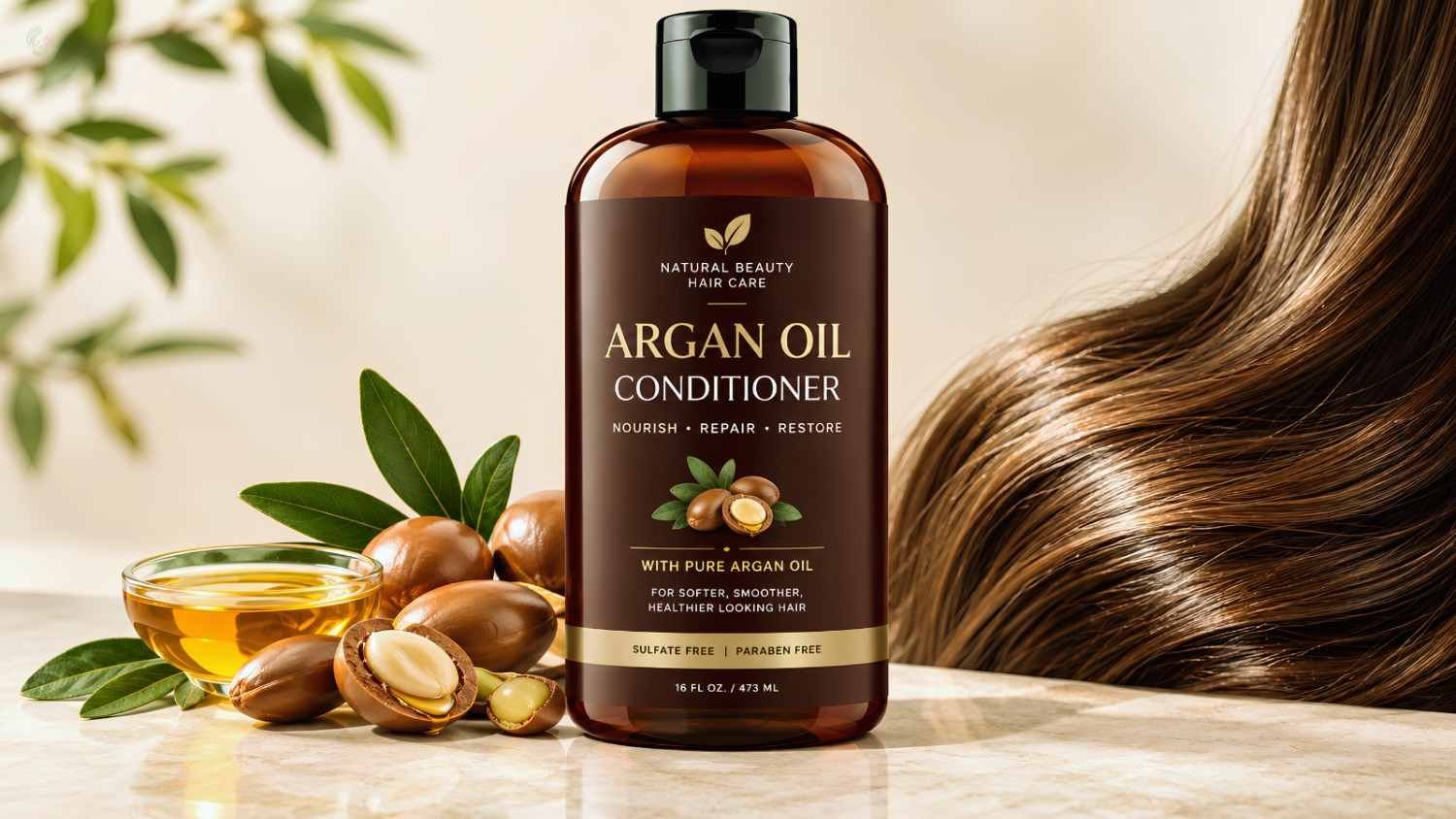
If your regular conditioner leaves hair feeling okay but not genuinely soft or shiny, switching to an argan oil conditioner might be the upgrade you’re missing. This guide covers what makes these formulas different, the real benefits behind the marketing, exactly what to look for before buying one, and how to pick a bottle that’s actually worth your money.
What Is an Argan Oil Conditioner?
An argan oil conditioner is a standard rinse-out or leave-in conditioning formula infused with argan oil, extracted from the kernels of the argan tree native to Morocco’s Souss Valley. Unlike applying pure oil directly, a conditioner blends argan oil with other conditioning agents, like fatty alcohols and emollients, designed specifically to detangle, soften, and smooth hair during and after washing.
The concentration of argan oil varies significantly between brands, which is exactly why understanding what’s actually in the bottle matters more than the words on the label.
Argan Oil Conditioner Benefits
Deeper Moisture Than a Standard Conditioner
Argan oil is rich in oleic acid, linoleic acid, and vitamin E, compounds that help the hair shaft retain moisture more effectively than many standard conditioning agents alone. This makes an argan-infused formula noticeably more effective for dry, coarse, or over-processed hair.
Smoother, More Manageable Detangling
The lightweight coating argan oil leaves on the hair cuticle helps reduce friction between strands, which translates into easier detangling and less breakage from daily brushing or combing.
Added Shine Without Heaviness
Because argan oil absorbs relatively quickly compared to heavier oils, a well-formulated conditioner can add visible shine without leaving hair looking greasy or weighed down, a common complaint with older, heavier conditioning formulas.
Support for Color-Treated and Chemically Processed Hair
Argan oil’s antioxidant content helps counteract some of the oxidative stress caused by coloring, bleaching, or chemical straightening, making these conditioners a popular choice specifically for color-maintenance routines.
A Gentler Option for Sensitive Scalps
Many argan oil conditioners are formulated without sulfates, which can be harsh on sensitive or easily irritated scalps. Pairing a sulfate-free cleanser with an argan-infused conditioner is a common combination for people managing scalp sensitivity.
How to Choose the Best Argan Oil Conditioner
Not every product labeled “argan oil conditioner” delivers a meaningful amount of it, so a few checks help separate genuinely effective formulas from ones riding the marketing trend.
Check the ingredient list position. Argan oil, listed as Argania Spinosa Kernel Oil, should appear reasonably high on the ingredient list, not buried near the bottom behind a long list of fillers.
Match it to your hair type. Fine hair generally does better with a lighter formula and lower argan oil concentration, while thick, coarse, or curly hair can typically handle a richer, more concentrated version without feeling weighed down.
Look for sulfate-free formulas. Pairing argan oil with a gentler, sulfate-free base amplifies its moisturizing effect rather than working against it during the cleansing step.
Consider your specific concern. Some formulas are built specifically for color protection, others for frizz control or curl definition, so choosing based on your main hair concern matters more than choosing based on the word “argan” alone.
Watch for silicone-heavy formulas if you prefer lighter buildup. Silicones aren’t inherently bad, but a heavily silicone-based formula can mask argan oil’s actual contribution and build up on hair over time with frequent use.
Argan Oil Conditioner vs Pure Argan Oil: Which Should You Use?
A conditioner and pure oil aren’t really substitutes for each other, they serve different steps in a routine. A conditioner is designed to detangle and condition during your wash routine, rinsed out within minutes, while pure argan oil is typically applied afterward as a leave-in treatment for deeper, longer-lasting conditioning.
For most people, using both, an argan oil conditioner in the shower and a small amount of pure argan oil as a finishing product, offers more complete results than relying on either one alone.
Should You Use a Matching Argan Oil Conditioner and Shampoo?
Using an argan oil conditioner and shampoo from the same line isn’t strictly necessary, but there’s a real reason it’s often recommended. Matching formulas are typically designed to work together, with the shampoo cleansing gently enough not to strip the conditioning layer the argan oil leaves behind, rather than undoing it with a harsher cleanser.
If you’d rather mix and match, the safest approach is at least keeping your shampoo sulfate-free, since a heavy-duty clarifying shampoo will strip away much of what an argan oil conditioner is trying to add back.
Moroccan Oil Conditioner and Shampoo for Anti-Frizz
Among branded options, Moroccanoil’s conditioner and shampoo pairing has built a strong reputation specifically for frizz control, largely thanks to its signature blend of argan oil and antioxidants layered across both the cleansing and conditioning steps. This kind of anti-frizz-focused, matched system tends to outperform using a single argan-infused product alone, since the frizz-smoothing effect builds across both steps rather than relying on the conditioner to do all the work.
If frizz is your main concern, looking specifically for a shampoo and conditioner pair marketed around anti-frizz, rather than just picking any argan oil conditioner on its own, will generally give more noticeable results.
Should You Apply Argan Oil Before or After Conditioner?
This depends on whether you’re using pure argan oil or an argan-infused conditioner. If you’re using pure argan oil as a separate treatment, it typically goes on after conditioner, applied to towel-dried hair as a finishing step to seal in the moisture your conditioner just provided.
Some people also use a small amount of argan oil before shampooing, as a pre-wash treatment left on for 20 to 30 minutes, which is a different use case entirely from the after-conditioner finishing step. If you’re simply using an argan oil conditioner rather than pure oil, it takes conditioner’s usual place in your routine, applied after shampoo, with no separate oil step needed unless you want extra conditioning.
Where to Buy an Argan Oil Conditioner
Argan oil conditioners are widely available through drugstores, beauty supply retailers, and online marketplaces, with options spanning drugstore-affordable to salon-professional pricing tiers.
🛒 Check Current Argan Oil Conditioner Prices on Amazon → As an Amazon Associate, we earn from qualifying purchases. This means if you buy through this link, we may receive a small commission at no extra cost to you.
When shopping online, sort by verified reviews and check for recent purchase dates, since formulas occasionally change, and older reviews may not reflect the current version of a product.
Who Should Use an Argan Oil Conditioner?
This type of conditioner tends to work best for people with dry, frizzy, coarse, or color-treated hair looking for added moisture and shine without switching to a heavier, oil-based routine. It’s a reasonable everyday option for most hair types, though very fine or already-oily hair should look specifically for a lightweight formula to avoid a flat, weighed-down result.
Final Thoughts
An argan oil conditioner offers a genuinely useful middle ground between a standard conditioner and a separate oil treatment, delivering real moisture, shine, and manageability in a single, easy step. The key to actually seeing results is checking the ingredient list rather than trusting the label alone, matching the formula to your hair type, and using it consistently as part of your regular wash routine.
This article is for general informational purposes and isn’t a substitute for professional dermatological advice. If you have a scalp condition or known allergies, patch-test any new product before regular use.