Hemp Seed Oil for Cystic Acne: Does It Help or Hurt?
Hemp seed oil for cystic acne sounds almost too good to be true, and that instinct is worth listening to. Cystic acne is the deep, painful kind that forms under the skin, the sort that leaves tender lumps you can feel more than see, and it rarely responds to anything you buy in a health-food aisle. Hemp seed oil may be a useful supporting moisturiser while you treat the real problem, but it will not cure cystic acne, and anyone telling you otherwise is selling something. Here is an honest look at what hemp seed oil for cystic acne can and cannot do.
What Is Cystic Acne, and Why Is It Different?
Cystic acne forms when oil, dead skin and bacteria become trapped deep inside a pore, creating large, inflamed lumps under the surface. Hormones play a big role, which is why it so often flares around periods, during times of stress, or in the late teens and twenties and then lingers into adulthood. Unlike a surface spot that comes and goes in a few days, a cyst can sit there for weeks, hurt when you press it, and leave a scar or a dark mark long after it fades.
That depth is exactly why oils alone cannot fix it, and it is why honest advice about hemp seed oil for cystic acne always starts with that limit. A moisturiser sits on the surface of the skin; a cyst lives far below it. Because cystic acne can scar, it is usually treated by a dermatologist with prescription options rather than home remedies. If your breakouts are deep, painful, scarring, or affecting how you feel day to day, see a dermatologist — ideally sooner rather than later, because early treatment lowers the risk of permanent marks. Nothing in this article replaces that advice.
What Is Hemp Seed Oil?
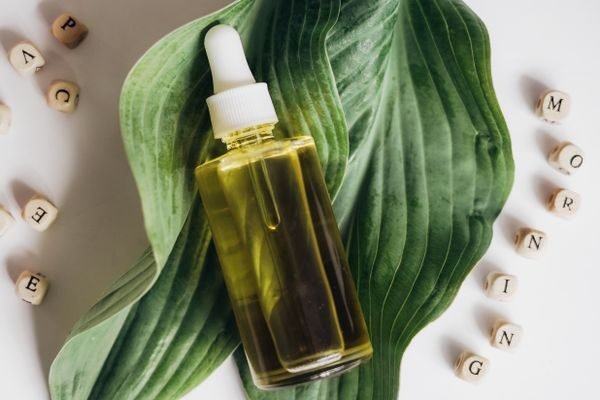
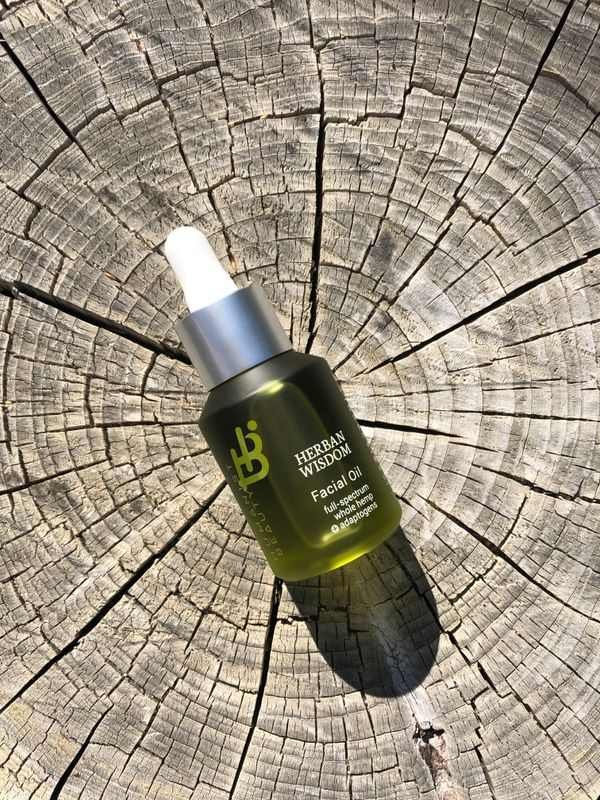
Hemp seed oil is pressed from the seeds of the hemp plant. It contains little to no CBD or THC, so it is not the same thing as CBD oil, even though the two are often confused on shop shelves. Read the label carefully: if a bottle talks about milligrams of CBD, it is not plain hemp seed oil, and most of what you read about hemp seed oil for cystic acne concerns the plain seed oil, not a CBD product. The plain oil itself is rich in linoleic acid, an omega-6 fatty acid, along with some omega-3 and a little vitamin E. It feels lightweight on the skin, sinks in quickly, and is often rated as non-comedogenic or very low on pore-clogging scales, which is part of its appeal for acne-prone skin.
One practical point matters a lot with this oil: it spoils fast. Hemp seed oil is delicate, goes rancid much sooner than sturdier oils, and a rancid oil can irritate already unhappy skin. Buy cold-pressed oil in a dark glass bottle, keep it in the fridge once opened, and throw it away if it starts to smell sharp, bitter, or like old paint. Our guide to signs an oil has gone bad explains what to sniff and look for, and the same warning signs apply here.
Why People Try Hemp Seed Oil for Cystic Acne
The idea behind hemp seed oil for cystic acne comes from a real observation. Some research suggests that people with acne can have lower levels of linoleic acid in their skin oil, which may make that oil thicker and pores more likely to clog. A linoleic-rich oil like hemp seed oil, the theory goes, might help rebalance that. It is a reasonable theory, and it is why hemp seed oil for cystic acne keeps coming up in skincare conversations.
But a reasonable theory is not proof, and that distinction matters. Studies on hemp seed oil itself for acne are limited, and the studies that do exist tend to be small or indirect — looking at linoleic acid generally, or at other oils, rather than testing hemp seed oil on people with cystic acne over months. So the honest position is this: hemp seed oil for cystic acne is plausible as a gentle supporting step, not established as a treatment, and anyone writing about hemp seed oil for cystic acne should say that plainly. If a product page claims it clears cysts, that claim has run well ahead of the evidence.
What Hemp Seed Oil Can Realistically Do
Used with realistic expectations, hemp seed oil for cystic acne can do a few genuinely useful things. As a moisturiser, hemp seed oil for cystic acne routines moisturises without a heavy feel, which matters a lot when acne treatments are drying your skin out — anyone who has used a prescription retinoid knows the flaking and tightness that come with it. It supports the skin barrier, so skin is less irritated by active ingredients and less likely to sting when you apply them. And it soothes dryness and flaking around healing spots, which makes the whole routine more comfortable and easier to stick with.
What it cannot do is just as important to say plainly. It cannot dissolve a deep cyst, it cannot prevent hormonal flare-ups, and it cannot replace medication. It will not unclog a pore that is blocked far below the surface, and it will not stop new cysts forming if hormones are driving them. Thinking of it as a comfort layer — the thing that makes your real treatment bearable — keeps you from wasting months hoping an oil will do a dermatologist’s job.
How to Use Hemp Seed Oil for Cystic Acne Safely
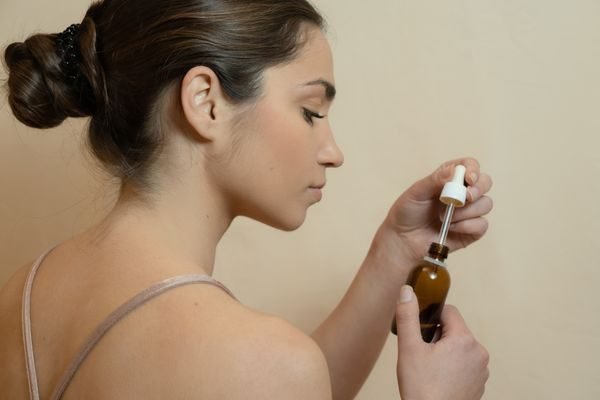
If you decide to try it, keep the routine simple and cautious. Patch test first: put a drop or two along your jawline for a few days before using it on your whole face, and stop if you notice new bumps, redness, or itching. When you do use it, apply two or three drops on damp skin at night, after your prescribed creams, as a barrier layer on top — not instead of them. Never put oil directly onto an open or angry cyst, never squeeze a cyst, and never layer oil over skin that is broken or bleeding.
A few practical habits help when you are using hemp seed oil for cystic acne alongside prescribed treatment. Wash your hands before you touch your face, use a clean dropper rather than dipping fingers into a jar, and keep the bottle refrigerated. If your skin is also dealing with dryness elsewhere, the same gentle approach applies: thin layers, damp skin, and no scrubbing. And keep your actives in place — if your dermatologist has prescribed a cream or gel, that stays the main event and the oil plays a supporting role at most.
Hemp Seed Oil for Cystic Acne vs Other Light Oils
Hemp seed oil is not the only lightweight option, and comparing it honestly helps you choose. Jojoba oil is similarly light and rarely irritating, and our guide to jojoba oil for locs shows how gentle it is, though that article focuses on hair rather than facial skin. The key difference is feel and shelf life: jojoba keeps far longer, while hemp seed oil needs refrigeration and a watchful nose. At the other end of the scale, heavy fats are a poor match for acne-prone skin — our beef tallow vs coconut oil comparison explains why thick, occlusive fats tend to trap oil and bacteria on breakout-prone faces. If you are weighing up plant oils more generally, black seed oil is another one people with acne-prone skin ask about, though it has its own irritation risks and also needs a patch test. When you compare options for hemp seed oil for cystic acne against the alternatives, the pattern across all of them is the same: lighter is usually safer for acne-prone skin, and no oil is a treatment for cysts.
Mistakes to Avoid with Hemp Seed Oil for Cystic Acne
- Using it instead of treatment. Months spent on oils alone are months when cysts can scar. Get medical care first, then add comfort steps around it.
- Skipping the patch test. “Non-comedogenic” is a rating, not a guarantee — any oil can break some people out.
- Using rancid oil. Hemp seed oil spoils quickly; an off-smelling bottle belongs in the bin, not on inflamed skin.
- Applying it to open cysts. Oil on broken skin can trap bacteria and make things worse.
- Confusing it with CBD oil. Different product, different claims, different price — check the label before you buy.
- Over-applying. Two or three drops is enough. A shiny, slick face is not better moisturised, just greasier.
When to See a Dermatologist
See a dermatologist if your breakouts are deep, painful, scarring, spreading, or affecting your mood or confidence. Treatments such as topical retinoids, antibiotics, hormonal therapy, or isotretinoin work in ways that oils cannot, because they act on the hormones, bacteria, and clogging happening deep in the pore. A dermatologist can also tell you whether what you have is actually cystic acne or something else that looks similar, like a different skin condition that needs different care. If you are already under a dermatologist’s care, ask them before adding any new oil — including hemp seed oil for cystic acne — to your routine, so it does not interfere with your prescribed treatment. For general guidance on choosing oils that suit sensitive skin, our tea tree oil guide is a useful reminder that even popular “acne oils” need care and dilution.
Frequently Asked Questions
Is hemp seed oil the same as CBD oil?
No. Hemp seed oil comes from the seeds and contains almost no cannabinoids, while CBD oil is made from the flowers and leaves and is sold for its CBD content. They are different products with different prices and different claims, so check the ingredient list rather than the front of the bottle.
Can hemp seed oil cause breakouts?
It is low risk compared with heavy oils, but any oil can break some people out. That is why the jawline patch test matters, and why you should stop if new spots appear in the exact area where you applied it. Rancid oil is a more common culprit than fresh oil, so storage matters too.
Can I use hemp seed oil for cystic acne with retinol?
Usually, yes, as a moisturising layer afterwards — apply the retinol first, let it sink in, then add two or three drops of oil to ease dryness. But if your retinol was prescribed by a dermatologist, ask them first, since they know your skin and your dose.
How long should I try it before deciding?
Give hemp seed oil for cystic acne a few weeks of consistent, gentle use and judge it on comfort — less dryness, less flaking, less irritation from your other products — not on whether cysts disappear, because that is not a fair test for a moisturiser. If cysts are not improving overall, that is a dermatologist conversation, not a reason to try a stronger oil.
Should I take hemp seed oil internally for acne?
This article is about using it on the skin. Eating hemp seed oil is a different question with its own nutritional considerations, and it is not a substitute for acne treatment either. If you are considering supplements of any kind, talk to your doctor first, especially if you take medication.
The Bottom Line
Hemp seed oil for cystic acne is best seen as a gentle moisturiser, not a treatment. It may make your skin more comfortable while real treatment does the heavy work, and for some people that comfort is the difference between sticking with a routine and giving up on it. Use hemp seed oil for cystic acne carefully, store it properly, patch test first, and get proper medical care for the cysts themselves. That combination — honest expectations plus real treatment — is what actually protects your skin in the long run.
2 Comments