Hemp Seed Oil for Skin
If you have ever stood in the skincare aisle wondering whether a facial oil would help or just make everything worse, hemp seed oil for skin deserves a closer look than most. It is light where other oils are heavy, it sinks in rather than sitting on top, and it has a fatty acid profile that matches what healthy skin actually uses. That combination makes hemp seed oil for skin one of the easiest oils to live with, whether your skin is dry, oily, combination, or somewhere in between and changing with the seasons. This guide covers hemp seed oil for skin as a general, everyday skincare ingredient: what it does, how to use it on your face and body, how to layer it with the products you already own, and where its limits lie.
Before anything else, the usual confusion needs clearing up, because it follows hemp products everywhere. Hemp seed oil for skin is pressed from the seeds of the hemp plant and contains negligible CBD. CBD skincare is a different category, made from extracts of the flowers and leaves, and sold at a very different price for its cannabinoid content. If a face oil lists hemp seed oil as its main ingredient but hints at cannabinoid benefits on the packaging, you are looking at marketing, not chemistry. What hemp seed oil for skin genuinely brings to your routine is simpler: essential fatty acids, vitamin E, and a lightweight emollient feel that supports the skin barrier without clogging it for most people.
What Hemp Seed Oil for Skin Actually Is
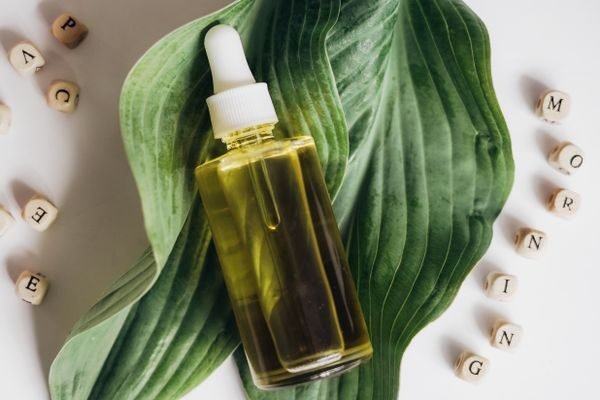
Hemp seed oil for skin starts as a cold-pressed food oil, green-gold in colour with a mild, nutty scent that fades quickly once applied. The seeds themselves are rich in oil, typically more than thirty percent by weight, and the pressed oil is more than eighty percent polyunsaturated fat, dominated by linoleic acid, an omega-6 fatty acid, at roughly half to three-fifths of the total, with alpha-linolenic acid, an omega-3, at around a sixth to a fifth, and a smaller amount of gamma-linolenic acid. That gives an omega-6 to omega-3 ratio of roughly three to one, which is unusually balanced among plant oils and is part of why hemp seed oil for skin feels different from, say, olive oil or coconut oil on the face.
Why does that balance matter for skin? Your skin barrier is built partly from lipids, and linoleic acid is a key building block of ceramides, the waxy molecules that hold skin cells together and keep moisture in. When the barrier is depleted, by over-exfoliation, harsh cleansers, cold wind, or dry indoor heating, skin loses water faster, feels tight, looks dull, and reacts more easily to everything you put on it. Hemp seed oil for skin supplies linoleic acid in a form that spreads easily and absorbs quickly, which is why it is often described as barrier-supporting. That is a cosmetic, supportive claim, not a medical one, and it is important to keep the distinction. Hemp seed oil for skin can help skin feel more comfortable and look better hydrated, but it does not treat eczema, psoriasis, rosacea, or any diagnosed skin condition, and anything that promises to cure those conditions from a bottle of seed oil should be treated with scepticism.
Another property that sets hemp seed oil for skin apart is its comedogenic profile, or how likely it is to clog pores. No rating system here is perfect, and individual skin varies, but hemp seed oil is generally considered low on the comedogenic scale, which matches most people’s experience: it absorbs fast and rarely leaves the heavy, occlusive film that thicker oils leave behind. That is why hemp seed oil for skin shows up so often in routines for oily and combination skin, where people want moisture without a new breakout. It is not a guarantee, and if you are very breakout-prone you should still patch test, but as a starting point it is one of the safer oils to try on the face.
Hemp Seed Oil for Skin by Skin Type
Dry skin is the most straightforward case for hemp seed oil for skin. If your face feels tight after cleansing, flakes around the nose and brows in winter, or looks dull by afternoon, a few drops of hemp seed oil for skin pressed over your moisturiser, or used as the moisturiser itself on mild days, can make a visible difference within a week or two. The oil slows water loss from the surface, softens rough patches, and gives skin a healthier-looking glow that is not the shiny, greasy look heavier oils produce. For very dry skin, layering works best: a hydrating serum or damp skin first, then hemp seed oil for skin to seal that moisture in, then a cream on top on the coldest days.
Oily and combination skin is where people are most nervous about hemp seed oil for skin, and also where it often surprises them. The fear is that adding oil creates more oil, but skin does not work that simply. When oily skin is stripped by harsh cleansers and alcohol-based toners, it often overcompensates, producing more sebum and feeling both greasy and dehydrated at once. A light, fast-absorbing oil like hemp seed oil for skin can break that cycle by giving the barrier what it needs without a heavy residue, and many people with combination skin find their T-zone looks calmer and less shiny by midday after a few weeks of consistent use. The key is amount: two to three drops for the whole face is plenty, applied to damp skin, and always washed off properly at the end of the day rather than layered endlessly.
Sensitive skin needs the most caution with any new product, and hemp seed oil for skin is no exception, even though its simple composition makes it a relatively gentle choice. Unrefined, cold-pressed hemp seed oil for skin contains just one ingredient, which means there is less to react to than in a fragranced blend with twenty botanical extracts. That simplicity is a genuine advantage if your skin flares at fragrance, essential oils, or long ingredient lists. Still, patch test first, introduce it alone rather than alongside three other new products, and stop if you notice persistent redness or itching. Our patch test timer is designed exactly for this kind of careful introduction, and our essential oil safety guide explains the broader principles behind testing anything new on reactive skin.
Mature skin benefits from hemp seed oil for skin in a quieter way. As skin ages it produces less sebum and loses barrier lipids, which is why older skin often feels drier and looks less supple even with a good moisturiser. Hemp seed oil for skin replenishes some of those surface lipids and, thanks to its vitamin E content, offers antioxidant support against everyday environmental stress, though it is not a substitute for sunscreen and it will not reverse wrinkles or restore lost collagen. Used on the face, neck, and backs of the hands, where ageing shows first, hemp seed oil for skin is a simple, affordable step that makes skin feel more comfortable and look more alive, which is a reasonable and honest goal for any skincare product.
How to Use Hemp Seed Oil for Skin on Your Face
The simplest face routine with hemp seed oil for skin takes less than a minute. Cleanse gently, leave your skin slightly damp rather than towel-dried to a squeak, and warm two to four drops of oil between your fingertips. Press it into your cheeks, forehead, and chin with upward motions, rather than rubbing vigorously, and give it a minute or two to sink in before you apply anything else. In the morning, follow with sunscreen, because hemp seed oil for skin offers no meaningful sun protection on its own, despite occasional claims to the contrary. At night, you can use a little more, or layer it over your regular night cream if your skin is very dry.
Layering order matters more than most people realise, and hemp seed oil for skin has a clear place in it. Water-based products go first, because they need to reach the skin directly, and oils go after, because oil can block water-based ingredients from absorbing if it goes on first. So the order is cleanser, then any watery serums or toners, then hemp seed oil for skin, then a cream if you need one. If you use a vitamin C serum or a retinoid, keep those steps as your brand directs and add hemp seed oil for skin as the sealing step, not mixed into the active product, so you do not dilute the active or change how it behaves. If your skin is sensitive, use hemp seed oil for skin on alternate nights at first, and build up only if your skin stays calm.
Hemp seed oil for skin also works well as a makeup base for people whose foundation tends to cling to dry patches or settle into fine lines by midday. A single drop, pressed over moisturiser and allowed to absorb for a few minutes before foundation, gives makeup something smooth to grip without making it slide. It is also a gentle makeup remover in its own right: massage a small amount over dry skin to dissolve sunscreen and long-wear makeup, then follow with your normal cleanser to remove the residue. This double-cleansing approach suits hemp seed oil for skin particularly well, because the oil itself rinses away cleanly compared with heavier cleansing oils, and it leaves skin soft rather than stripped.
Hemp Seed Oil for Skin Beyond the Face
The face gets all the attention, but hemp seed oil for skin is arguably even easier to love on the body, where you can use it generously without worrying about breakouts or makeup. After a shower, while skin is still damp, smooth a small pool of oil over arms, legs, and anywhere that tends toward roughness, like elbows, knees, and heels. It absorbs fast enough that you can dress within a few minutes, which is more than can be said for most body butters, and it leaves a soft sheen rather than a sticky film. In winter, when indoor heating dries skin out and hot showers strip it further, a daily body application of hemp seed oil for skin can be the difference between comfortable skin and the itchy, flaky feeling that makes you dread cold mornings.
Hands and nails are another underrated use for hemp seed oil for skin. Frequent handwashing, cleaning products, and cold air leave hands dry and cuticles ragged, and a drop of oil massaged into each nail bed at bedtime keeps cuticles soft and nails less prone to splitting. Feet benefit the same way: a generous application before bed, followed by cotton socks, turns an ordinary night into an intensive treatment for cracked heels, and because hemp seed oil for skin is light, it does not leave that slippery, uncomfortable feeling that heavier foot oils can. For massage, whether you are giving one or receiving one, hemp seed oil for skin is a pleasant medium too, with enough glide to work with and a quick absorption that does not leave sheets greasy.
One more body use worth mentioning is after sun exposure. Hemp seed oil for skin is not an after-sun treatment in any medical sense, and it does not repair sunburn, but skin that has spent a day outdoors often feels dry and tight, and a light application of hemp seed oil for skin after a cool shower can restore comfort and softness. The important caveat is that it must never replace sunscreen, and it should never be applied to skin that is blistered, broken, or severely burned. Comfort and moisture support are the honest claims here, and they are enough, because comfortable skin that holds its moisture is visibly healthier skin.
Hemp Seed Oil for Skin and Breakouts: An Honest Signpost
Because this is a general guide, it is worth addressing breakouts directly but briefly, and pointing you to the deeper resource rather than repeating it. Many people arrive at hemp seed oil for skin because they have heard it helps oily or acne-prone skin, and there is a reasonable basis for that interest: the oil is lightweight, low on the comedogenic scale, and rich in linoleic acid, which some research associates with better barrier function in acne-prone skin. Plenty of people with mild, occasional breakouts find that hemp seed oil for skin fits their routine without causing new spots, especially when they use a small amount and cleanse properly.
That said, cystic acne is a different matter entirely, and it deserves its own careful discussion rather than a paragraph inside a general guide. If your breakouts are deep, painful, persistent, or scarring, the general advice in this article is not a substitute for the detailed look we have published separately. Our guide to hemp seed oil for cystic acne examines whether the oil helps or hurts in that specific situation, what the evidence actually says, and when professional treatment is the right call. Read that guide before you start using hemp seed oil for skin on cystic acne, because the considerations there, including the risk of trapping bacteria under an occlusive layer and the importance of not delaying effective treatment, do not apply in the same way to everyday skincare, and they matter.
Hemp Seed Oil for Skin vs Other Skin Oils
Compared with argan oil, hemp seed oil for skin feels lighter and drier, and it costs considerably less. Argan has a slightly richer, silkier finish that some people prefer as a night treatment, and it has a much longer shelf life, which is a practical advantage if you use oil slowly. But for daytime use under sunscreen and makeup, hemp seed oil for skin usually wins on comfort, because it vanishes faster and never leaves that faint sheen that argan can. If you already love argan, our argan oil for skin guide covers its strengths in detail, and there is no rule against owning both and choosing by season or time of day.
Against jojoba oil, hemp seed oil for skin is the more emollient of the two. Jojoba is technically a liquid wax that closely mimics human sebum, which makes it excellent for balancing oily skin and for people whose skin reacts to almost everything, but it is less rich in the polyunsaturated fatty acids that give hemp seed oil for skin its barrier-supporting character. Our jojoba oil benefits guide explains that trade-off well. Against rosehip oil, hemp seed oil for skin is gentler and more stable in daily use, while rosehip brings vitamin A compounds and a stronger reputation for uneven tone and scarring, though rosehip also oxidises quickly and costs more. Against coconut oil, the difference is stark: coconut oil is heavy, highly comedogenic for many faces, and better suited to the body than the face, while hemp seed oil for skin is one of the few oils most facial skin tolerates happily. Our shea butter versus coconut oil comparison shows how differently heavy and light skin products behave, and the same logic applies here.
Buying and Storing Hemp Seed Oil for Skin
Freshness is the single biggest quality issue with hemp seed oil for skin, and it is the reason some first-time users are put off by a sharp, paint-like smell and assume the oil itself smells that way. It does not. Fresh hemp seed oil for skin smells faintly nutty and grassy, and that scent fades within minutes of application. The oil is rich in polyunsaturated fats, which oxidise faster than almost any other skincare oil, so a bottle left in a warm bathroom can turn rancid within months. Buy hemp seed oil for skin in a dark glass bottle, look for a pressing or best-before date, choose cold-pressed and unrefined, and buy a small bottle unless you use it daily on face and body.
Storage is simple once you know the rule: cool, dark, and sealed. A bathroom cabinet away from the shower’s steam is fine, and refrigeration is a smart option if your home runs warm, especially in summer. Keep the cap tight, avoid dipping unwashed fingers into an open bottle, and prefer a pump or dropper bottle over a wide-mouth jar for face use. If your hemp seed oil for skin smells sharp, like old paint or crayons, or the colour has faded from green-gold to pale yellow, discard it. Oxidised oil can irritate skin and undo exactly the barrier support you bought it for, and a fresh bottle costs little enough that replacing it is always the right call. Food-grade, cold-pressed hemp seed oil for skin is chemically the same oil as the beauty-branded version, so do not overpay for packaging unless you value the dropper and the label.
Mistakes to Avoid With Hemp Seed Oil for Skin
The most common mistake with hemp seed oil for skin is using far too much. Because it feels light, people pour out a puddle and then wonder why their face looks shiny for hours. Two to four drops is a full face application, and a teaspoon is a generous body application for one limb, not a starting point for the face. The second mistake is layering it under water-based serums instead of over them, which blocks those serums from reaching the skin. The third is skipping sunscreen because the oil feels protective, when in fact hemp seed oil for skin offers negligible sun protection and daily SPF remains non-negotiable. The fourth is treating it as a cure for a diagnosed condition, whether acne, eczema, or rosacea, and delaying proper treatment while hoping an oil will do the job. Hemp seed oil for skin supports comfortable, well-moisturised skin, and that is a worthwhile role, but it is not medicine.
Frequently Asked Questions About Hemp Seed Oil for Skin
Is hemp seed oil for skin good for acne-prone skin?
For mild, occasional breakouts, hemp seed oil for skin is often well tolerated, thanks to its light feel and low comedogenic profile, but it is not an acne treatment. Use a small amount, cleanse properly, and patch test first. For deep, painful, or cystic breakouts, read our dedicated cystic acne guide before using it, and consider professional advice rather than relying on any single oil.
Can I use hemp seed oil for skin every day?
Yes, most people can use hemp seed oil for skin daily, morning and night, as long as the amount is small and the bottle is fresh. If your skin is oily, once a day at night may be plenty, and if your skin is sensitive, start with alternate days and build up. Daily use is also where freshness matters most, because a rancid bottle used every day will irritate skin faster than an occasional application.
Will hemp seed oil for skin clog my pores?
For most people, no, because hemp seed oil for skin is lightweight and generally rated low on the comedogenic scale. But no oil is non-comedogenic for everyone, and skin varies. Patch test on one area, like the jawline, for a week before full-face use, and if you notice new congestion that clears when you stop, the oil is not for your face, even if it works beautifully on your body.
Can hemp seed oil for skin replace my moisturiser?
On mild days and for normal to oily skin, hemp seed oil for skin can serve as your moisturiser, especially applied to damp skin. In cold, dry weather, or for very dry skin, it usually works better as a sealing layer over a cream or a hydrating serum, because oil alone does not add water to the skin, it only slows water loss. Think of hemp seed oil for skin as the roof, not the whole house: it protects what is underneath, but you still need hydration inside.
Is hemp seed oil for skin safe during pregnancy?
Topical hemp seed oil for skin is generally considered low-risk, since it is a food-grade seed oil with negligible cannabinoids, but pregnancy is a time to be cautious with any new product, and you should check with your clinician if you have any doubts, especially about products that blend hemp seed oil with essential oils or other actives. If you do use hemp seed oil for skin while pregnant, choose a plain, unrefined, single-ingredient oil and patch test as usual.
The honest summary of hemp seed oil for skin is that it is one of the easiest, most forgiving oils in skincare. It hydrates without heaviness, supports the barrier with a genuinely interesting fatty acid profile, suits an unusually wide range of skin types, and costs far less than the luxury oils it is often compared with. Its weaknesses are practical rather than dramatic: it goes rancid if stored badly, it cannot replace sunscreen or medical treatment, and it will not transform skin overnight. Used fresh, used sparingly, and layered in the right order, hemp seed oil for skin earns its place as a daily staple, and for many people it quietly becomes the product they miss most when the bottle runs out.