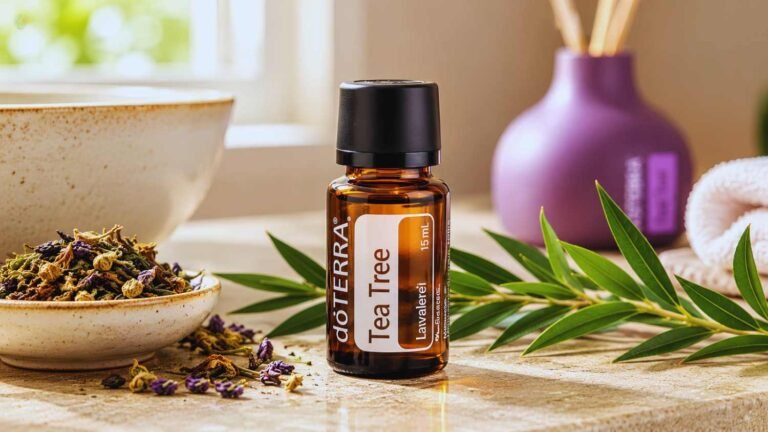
Tea Tree Oil for Hair Growth
Search for tea tree oil for hair growth and you will find bold promises: thicker hair, faster growth, dormant follicles awakened. It is easy to see why these claims spread, because tea tree oil genuinely helps many scalps feel healthier. But does tea tree oil for hair growth actually grow new hair? The honest answer, based on the current evidence, is no, not directly. There is no strong clinical evidence that tea tree oil for hair growth increases hair count, reverses pattern baldness, or lengthens the growth phase of the hair cycle. What it can do, and this matters, is improve the scalp conditions that allow your existing hair to thrive, reduce the breakage and scratching that make hair look thinner, and support a routine that protects the hair you have. This guide separates what tea tree oil for hair growth can and cannot do, shows you how to use it safely, and explains what actually helps when hair is thinning.
How Hair Growth Actually Works
To judge any claim about tea tree oil for hair growth, you need a basic picture of the hair cycle. Each follicle cycles through anagen, the active growth phase lasting two to seven years, catagen, a short transition phase of a few weeks, and telogen, the resting and shedding phase lasting a few months. At any moment, most scalp follicles are in anagen. Growth speed is largely set by genetics, age, hormones, and overall health, and averages around half an inch per month. No oil applied to the surface of the scalp has been shown to extend anagen or create new follicles. Pattern hair loss, the most common cause of thinning, is driven by sensitivity to dihydrotestosterone, a hormone that gradually miniaturizes follicles. Shedding can also follow illness, stress, childbirth, crash dieting, or medication changes, a pattern called telogen effluvium. Tea tree oil for hair growth touches none of these mechanisms directly, which is why honest guides describe it as scalp support rather than a growth treatment.
Does Tea Tree Oil for Hair Growth Work? The Evidence
When researchers and dermatology references discuss tea tree oil, they cite its antimicrobial and anti-inflammatory properties and its tested role in dandruff care, not hair regrowth. The well-known 2002 trial of a 5 percent tea tree shampoo measured dandruff severity, itch, and greasiness, not hair count. Laboratory studies show that terpinen-4-ol, the main active compound, can disrupt microbial cell membranes, but a petri dish result is not evidence of regrowth on a human scalp. Some small, low-quality reports claim density improvements, yet these usually involve people whose thinning was worsened by dandruff or scalp inflammation, so improvement likely reflects a calmer scalp rather than new follicles. Regulatory and clinical references do not list hair growth among established uses of tea tree oil. Anyone selling tea tree oil for hair growth as a proven regrowth treatment is going beyond the evidence, and you should treat such claims with skepticism.
How Tea Tree Oil for Hair Growth Helps Indirectly
Although tea tree oil for hair growth does not regrow hair, its indirect benefits are real and worth understanding. First, dandruff and scalp itch drive scratching, and scratching damages the scalp barrier and snaps hairs, making existing hair look thinner. Calming the scalp reduces that mechanical damage. Second, clogged, inflamed follicles shed hairs more readily, so reducing microbial overgrowth and inflammation can help follicles hold onto hairs through a full cycle. Third, a clean, balanced scalp absorbs conditioning treatments better and feels less greasy, so hair looks fuller and styles more easily. Fourth, tea tree oil for hair growth routines usually include gentle scalp massage, which many people find relaxing and which encourages consistent, attentive scalp care. None of this creates new hair, but all of it protects the hair you have, and protection is often what thinning hair needs most.
Tea Tree Oil for Hair Growth vs Proven Growth Treatments
It helps to place tea tree oil for hair growth beside treatments with actual growth evidence. Topical minoxidil is the best-studied over-the-counter option for pattern hair loss, with multiple large trials showing it can slow loss and regrow some hair in many users. Prescription options such as finasteride for men address the hormonal driver directly. Low-level light therapy has modest supporting evidence. By contrast, tea tree oil for hair growth has no comparable trial showing increased hair count. That does not make it useless; it makes it complementary. A sensible approach is to use proven treatment for the growth problem itself, if you choose to treat it, and use tea tree oil for hair growth only for scalp comfort and dandruff control alongside it. Never replace a proven treatment with tea tree oil alone and expect the same result, and discuss prescription options with a clinician rather than self-prescribing.
How to Use Tea Tree Oil for Hair Growth Safely
If you want to include tea tree oil for hair growth in your routine for scalp health, safety comes first. Never apply undiluted tea tree oil to your scalp. Dilute it to 1 to 2 percent in a carrier oil, which is about 6 to 12 drops per 30 milliliters (two tablespoons) of carrier. Jojoba oil is a light, well-tolerated carrier, and argan oil and jojoba oil together make a good conditioning base for the lengths as well. Massage the diluted mixture into the scalp with your fingertips for three to five minutes, leave it on for 20 to 30 minutes, then shampoo thoroughly. Use it one to two times per week, not daily. Alternatively, add two to three drops to the shampoo in your palm and let it dwell on the scalp for three to five minutes before rinsing. Always patch test a new batch on the inner forearm for 24 to 48 hours before first scalp use, and stop immediately if you notice redness, itching, or burning.
Tea Tree Oil for Hair Growth: A Realistic Weekly Routine
A realistic routine using tea tree oil for hair growth focuses on scalp health rather than chasing daily miracles. Wash two to four times per week with a gentle shampoo, using the tea tree shampoo method with dwell time on one or two of those washes. Once a week, do the diluted scalp oil massage before washing, and follow with a light conditioner on the lengths only, keeping heavy product off the scalp. Avoid tight hairstyles, harsh brushing when wet, and excessive heat, since these cause breakage that no scalp oil can repair. Eat adequately, especially protein and iron, because crash diets and deficiencies cause shedding that topical products cannot fix. Keep a simple monthly record: a photo of your part line and hairline in the same light, plus a note of shedding in the shower drain. This routine gives tea tree oil for hair growth a fair, honest role without letting it distract from the habits that genuinely protect hair.
Tea Tree Oil for Hair Growth by Hair Type
Different hair types need different handling when using tea tree oil for hair growth. Fine hair becomes greasy quickly, so favor the shampoo method over leave-on oil treatments, and keep any oil strictly on the scalp rather than the lengths. Thick or coarse hair tolerates the diluted scalp oil treatment well and may benefit from the added conditioning. Curly and coily hair is more fragile and prone to breakage, so massage gently, detangle only when conditioned, and read our guide to argan oil for curly hair for conditioning strategies that complement scalp care. Oily scalps often respond best to tea tree oil for hair growth routines because the antimicrobial action addresses greasiness and buildup. Dry scalps need caution: tea tree oil can be drying, so pair it with a moisturizing carrier and reduce frequency if tightness or flaking worsens. Color-treated hair generally tolerates diluted tea tree oil, but patch test and use color-safe shampoo.
Tea Tree Oil for Hair Growth and Dandruff: The Overlap
Much of the confusion around tea tree oil for hair growth comes from its genuine success against dandruff. When dandruff improves, hair often looks thicker, because fewer flakes are visible, less scratching breaks hairs, and the scalp is less inflamed. People understandably report that their hair is growing better, when what actually improved is retention and appearance. If your thinning is accompanied by flakes and itch, treating the dandruff is a sensible first step, and tea tree oil for hair growth routines built around dandruff care may visibly help. But if your scalp is calm and flake-free and you are still losing hair, tea tree oil is unlikely to change the trajectory, and you should look for the real cause: pattern loss, shedding after illness or stress, thyroid or iron issues, or medication effects. Matching the remedy to the cause is the single most important decision in hair care.
Combining Tea Tree Oil for Hair Growth With Other Oils
Tea tree oil is almost always used as a small addition to a carrier, and choosing that carrier well improves the whole routine. Jojoba mimics natural sebum and suits most scalps. Argan oil adds conditioning and shine for the lengths, and our guide to how to use argan oil explains application in detail. Argan oil and rosemary oil for hair growth is worth reading alongside this guide, because rosemary oil has somewhat stronger, though still limited, growth-related research than tea tree oil. Peppermint oil offers a tingling sensation some people enjoy, and you can learn more in our guide to peppermint oil uses and benefits. Avoid combining multiple strong essential oils at full strength in one blend; keep total essential oil concentration at 1 to 2 percent, and introduce one new ingredient at a time so you can identify the culprit if irritation appears.
Tea Tree Oil for Hair Growth and Scalp Massage
Scalp massage is often credited with boosting circulation and therefore growth, so it deserves a clear-eyed look within any discussion of tea tree oil for hair growth. Gentle massage during application does increase local blood flow temporarily, and it helps distribute the diluted oil evenly while loosening flakes and buildup. What it does not do is permanently change blood supply to follicles or override hormonal and genetic drivers of thinning. Its real value is different: a calm, regular massage routine encourages you to inspect your scalp, notice new tenderness, flaking, or shedding early, and maintain the consistent habit that any scalp treatment requires. Use fingertips, not nails, keep pressure light to moderate, and limit massage to the three to five minutes of application time. Vigorous pulling, scratching, or aggressive brushing marketed as stimulating growth only damages hair and irritates the scalp, undoing the benefit that tea tree oil for hair growth routines are meant to provide.
Common Mistakes With Tea Tree Oil for Hair Growth
The most common mistake with tea tree oil for hair growth is expecting regrowth and then escalating the dose when it does not arrive. Stronger is not better with essential oils: undiluted application and daily leave-on use sharply increase irritation and allergy risk without improving outcomes. Another mistake is confusing hair growth with hair retention, and crediting or blaming tea tree oil for changes driven by diet, stress, hormones, or hairstyling damage. A third mistake is neglecting the basics while focusing on one oil: poor sleep, crash dieting, and aggressive heat styling will overwhelm any scalp treatment. A fourth is using old, oxidized oil, which is more allergenic and less effective; buy small bottles and replace them within six to twelve months of opening. Finally, many people delay seeking help for genuine hair loss while trying oil after oil. If shedding is heavy, patchy, or persistent beyond three months, see a clinician.
A New Angle: Retention Versus Regrowth
Here is a framework most articles on tea tree oil for hair growth never offer: separate retention from regrowth, and measure them differently. Regrowth means new follicles producing new hairs, which tea tree oil has not been shown to cause. Retention means keeping the hairs you already grow, by reducing breakage, scratching damage, and inflammation-driven shedding. Retention is measurable at home and genuinely improvable. Try this twelve-week protocol: photograph your part line and hairline monthly in identical lighting, count hairs shed in the shower drain for one wash per week, and note scalp itch on a simple zero-to-ten scale. If itch falls, shedding counts stabilize, and photos show fuller-looking density, your tea tree oil for hair growth routine is succeeding at retention, even though no new follicles have appeared. If shedding keeps rising despite a calm scalp, the cause lies elsewhere and needs medical attention. This honest measurement habit protects you from both false hope and false disappointment.
When to See a Doctor About Hair Loss
Tea tree oil for hair growth is a scalp-care product, not a diagnostic tool, and some patterns of hair loss need medical evaluation. Seek care promptly for sudden or patchy loss, a widening part or receding hairline that is progressing quickly, hair loss with scalp pain, redness, swelling, or sores, shedding that lasts more than three months, or hair loss accompanied by fatigue, weight change, or menstrual irregularity. A clinician can check for pattern loss, telogen effluvium, thyroid disorders, iron deficiency, and scarring alopecias that require specific treatment. Bring a note of your routine, including any tea tree oil for hair growth products, so the clinician can rule out contact allergy as a contributor. Early evaluation matters because some causes of hair loss are reversible only when caught early, and delay spent on unproven remedies can cost follicles.
Frequently Asked Questions About Tea Tree Oil for Hair Growth
Can tea tree oil for hair growth make hair grow faster? No credible evidence shows it speeds growth or extends the growth phase. It can improve scalp health, which helps existing hair look and feel better.
How often should I use tea tree oil for hair growth? One to two times per week as a diluted scalp treatment or shampoo additive is enough. Daily use increases irritation risk without better results.
Can I leave tea tree oil for hair growth on overnight? No. Keep leave-on scalp treatments to 20 to 30 minutes and shampoo thoroughly afterward.
Does tea tree oil for hair growth unclog follicles? It can reduce microbial buildup and inflammation around follicles, but “unclogging follicles” does not create new growth, and scrubbing or picking at follicles causes damage.
Is tea tree oil for hair growth safe for everyone? No. People with eczema, sensitive skin, or essential oil allergy should be cautious, and anyone pregnant, breastfeeding, or treating a scalp condition should ask a clinician first.
The Bottom Line on Tea Tree Oil for Hair Growth
Tea tree oil for hair growth deserves an honest verdict: a useful scalp-care ingredient, not a hair growth treatment. It can calm dandruff, reduce itching and scratching damage, and help you keep the hair you have in better condition. It has not been shown to regrow hair, reverse pattern baldness, or make hair grow faster, and claims otherwise should be ignored. Used diluted, one to two times weekly, with realistic expectations and a retention-focused way of measuring results, tea tree oil for hair growth earns a place in a sensible hair routine. If your real problem is progressive thinning or heavy shedding, pair scalp care with proven treatments and medical advice rather than relying on tea tree oil alone. For the full picture of this oil, see our guide to the benefits of tea tree oil, and for a growth-focused comparison, read argan oil for hair growth next.