Benefits of Tea Tree Oil: The Complete Science-Backed Guide
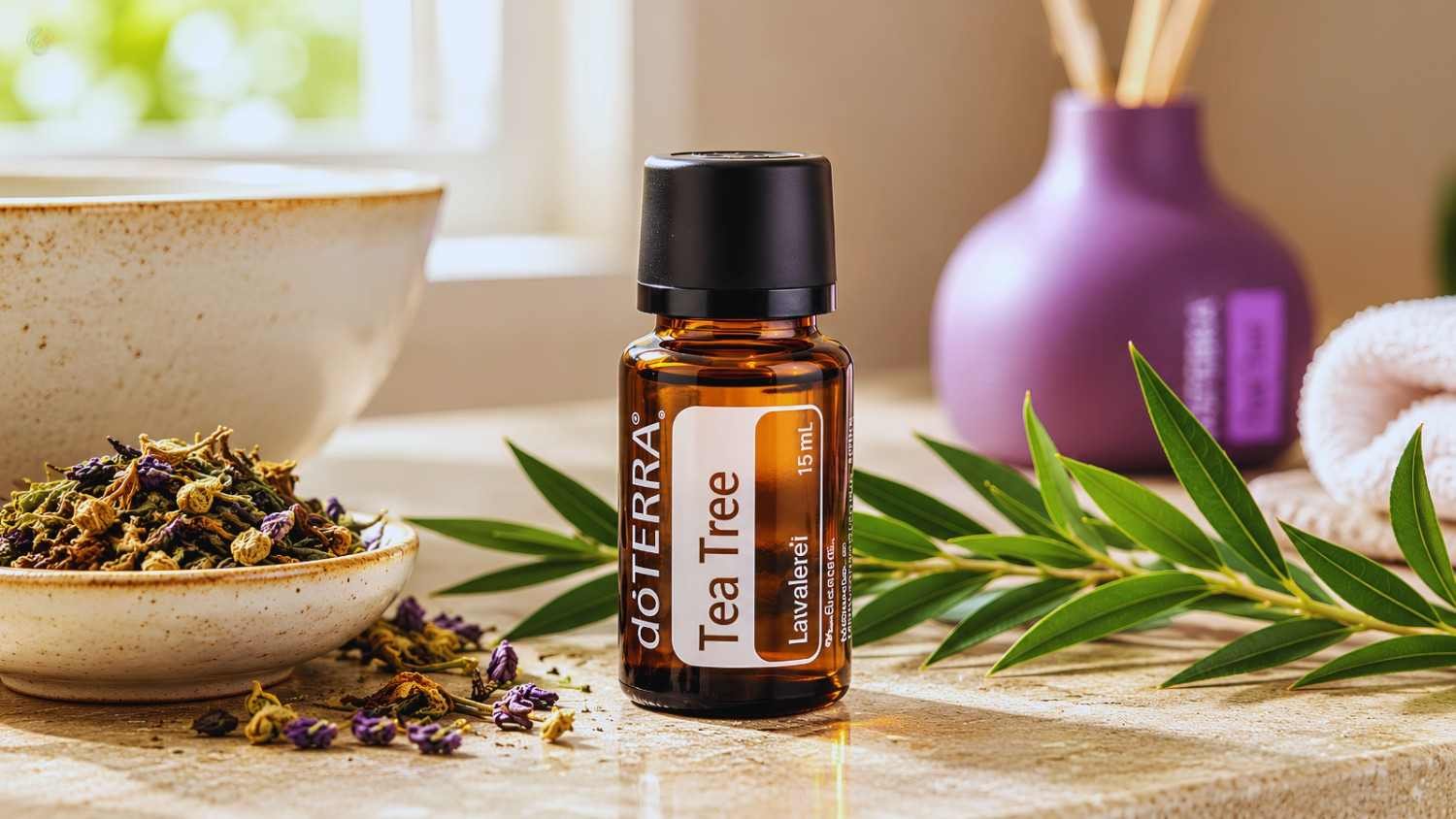
The benefits of tea tree oil have been recognised for centuries, first by Australia’s Aboriginal communities and later validated by decades of modern scientific research.
Today, this potent essential oil — steam-distilled from the leaves of Melaleuca alternifolia — is one of the most studied natural antiseptics in the world, used in skincare clinics, hospital decolonisation protocols, and everyday households alike.
What makes tea tree oil so remarkable is the breadth of its action. A single small bottle delivers antimicrobial, antifungal, anti-inflammatory, and antioxidant activity — a combination that explains why its benefits extend from acne treatment and wound care to dandruff control, insect repellency, and natural household cleaning.
This guide covers every major benefit in depth, explains the science behind each, and gives you practical guidance on how to use tea tree oil safely and effectively.
How Tea Tree Oil Works
Before exploring the individual benefits, it is useful to understand the three core mechanisms that underpin virtually all of tea tree oil’s therapeutic activity.
1. Antimicrobial Action
The primary active compound in tea tree oil is terpinen-4-ol, which typically makes up 30–48% of the oil’s total composition.
Terpinen-4-ol works by disrupting the integrity of microbial cell membranes — the outer protective layer of bacteria and fungi.
When this membrane is compromised, essential cellular contents leak out and the microorganism dies.
This mechanism is effective against a wide range of Gram-positive and Gram-negative bacteria, as well as numerous fungal species, including drug-resistant strains such as MRSA.
2. Anti-Inflammatory Effects
Terpinen-4-ol also exerts direct anti-inflammatory activity by suppressing the production of pro-inflammatory cytokines — signalling proteins that trigger redness, swelling, and irritation in the skin.
This is why tea tree oil is effective not just at killing pathogens, but at calming the inflammatory response that makes conditions like acne, eczema, and contact dermatitis so uncomfortable.
3. Antioxidant Protection
Tea tree oil contains several terpene compounds, particularly α-terpinene, that act as antioxidants — neutralising free radicals generated by UV radiation, pollution, and normal metabolic processes.
These free radicals accelerate skin ageing and contribute to cellular damage; antioxidant compounds help intercept and neutralise them before they cause harm.
Benefits of Tea Tree Oil for Skin
1. Reduces Acne and Pimples
Acne is driven by a combination of excess sebum, clogged pores, bacterial overgrowth (primarily Cutibacterium acnes), and skin inflammation. Tea tree oil addresses all four factors simultaneously — making it one of the most comprehensive natural acne treatments available.
A landmark clinical trial published in the Medical Journal of Australia found that a 5% tea tree oil gel performed comparably to 5% benzoyl peroxide in reducing acne lesion counts.
Crucially, the tea tree oil group reported significantly fewer side effects such as dryness, peeling, and irritation — common complaints with benzoyl peroxide.
For mild to moderate acne, a diluted tea tree oil spot treatment applied once or twice daily can produce visible improvement within two to four weeks.
2. Natural Antiseptic for Minor Cuts and Wounds
Applied in diluted form (a 5% solution in a carrier oil is typical), tea tree oil provides effective antimicrobial coverage to minor wounds, abrasions, and cuts. It kills the bacteria most likely to colonise an open wound — including Staphylococcus aureus and Streptococcus pyogenes — while simultaneously reducing the local inflammatory response. This dual action both protects against infection and promotes a calmer healing environment.
This is one of the oldest and most traditional uses of the plant. Australian soldiers during the Second World War carried tea tree oil in their first aid kits specifically for wound disinfection.
3. Soothes Skin Inflammation and Eczema
For people living with eczema (atopic dermatitis), psoriasis, or contact dermatitis, tea tree oil’s anti-inflammatory activity offers meaningful symptomatic relief.
By suppressing cytokine production and calming activated immune cells, a diluted tea tree oil application can reduce itching, redness, and skin irritation without the side effects associated with topical corticosteroids.
It should be used as a complementary measure alongside prescribed treatments rather than as a replacement, and always patch-tested first given the sensitivity of eczema-prone skin.
4. Treats Fungal Infections — Athlete’s Foot and Nail Fungus
Tea tree oil has demonstrated strong clinical activity against the dermatophyte fungi responsible for tinea pedis (athlete’s foot) and onychomycosis (nail fungus). Studies using 25–50% tea tree oil solutions applied twice daily showed significant reductions in scaling, itching, and inflammation in athlete’s foot cases. For nail fungus, twice-daily application of 100% tea tree oil has been shown to improve nail appearance, though full fungal eradication often requires combination with a conventional antifungal agent.
5. Fights Blemishes and Reduces Blackheads
Beyond full acne breakouts, tea tree oil is effective at reducing everyday blemishes, blackheads, and congested pores. Its antimicrobial properties target the bacteria that cause infected spots, while its ability to dissolve excess sebum helps decongest blocked follicles.
Regular use in a targeted serum or toner can produce a visibly clearer, less congested complexion over time, particularly for oily and combination skin types.
6. May Promote Wound Healing
Research has shown that tea tree oil promotes the migration of skin cells to wound sites — a process called re-epithelialisation — which is a critical step in tissue repair.
Its anti-inflammatory effect reduces the swelling that can mechanically impede healing, and its moisturising properties (when delivered in a carrier) keep healing tissue supple, reducing the likelihood of thick or raised scarring.
7. Soothes Sunburns and Minor Burns
Applied topically after sun exposure, diluted tea tree oil provides relief from the burning sensation and redness of sunburn through its anti-inflammatory and cooling properties.
Its antioxidant compounds also help counteract some of the oxidative damage caused by UV radiation. It is not a substitute for sun protection but makes an effective after-sun treatment when combined with a soothing carrier oil or aloe vera gel.
Benefits of Tea Tree Oil for Hair and Scalp
1. Effective Treatment for Dandruff
Tea tree oil is one of the most clinically supported natural treatments for dandruff. A randomised controlled trial found that a shampoo containing just 5% tea tree oil produced a 41% improvement in dandruff severity after four weeks of daily use, compared to 11% improvement in the placebo group. The mechanism involves antifungal action against Malassezia, the yeast responsible for most dandruff cases, alongside anti-inflammatory effects that calm scalp irritation and itching.
2. Supports Healthy Hair and Scalp
A healthy scalp is the foundation of healthy hair. Tea tree oil’s antimicrobial properties keep the scalp microbiome in balance, preventing the bacterial and fungal overgrowth that leads to folliculitis, scalp acne, and blocked follicles. By keeping follicles clear and the scalp environment healthy, tea tree oil creates optimal conditions for consistent, strong hair growth.
3. Conditions and Strengthens Hair
When incorporated into hair oils or leave-in treatments, tea tree oil’s terpene compounds can help smooth the hair cuticle, reducing frizz and improving shine. Its antimicrobial action also prevents the microbial degradation of the scalp oils that naturally condition the hair shaft, helping strands retain strength and moisture.
4. Helps Deter Head Lice
Research has found tea tree oil to be an effective natural pediculicide (lice-killing agent). A study found that a combination of tea tree oil and lavender oil eliminated 100% of live lice and 88% of their eggs. It also functions as a preventive repellent — used in diluted form as a scalp spray or shampoo additive, it creates an inhospitable environment that deters lice from taking hold.
5. Reduces Scalp Oiliness
Tea tree oil’s sebum-regulating properties are not limited to facial skin — they extend to the scalp as well. For people with an excessively oily scalp, a tea tree oil shampoo or scalp treatment used two to three times per week can help normalise sebum production, extend the time between washes, and reduce the flat, heavy appearance that excess oil gives to hair roots.
Everyday Benefits of Tea Tree Oil Beyond Skin and Hair
Natural Hand Sanitiser
Tea tree oil enhances the antimicrobial effectiveness of alcohol-based hand sanitisers. Research has demonstrated that incorporating it into hand sanitiser formulations boosts bactericidal activity, particularly against organisms that have developed some tolerance to alcohol alone. Adding 5–10 drops to a standard alcohol gel creates a more potent, naturally derived sanitiser.
Natural Deodorant
Body odour is caused not by sweat itself but by bacteria that metabolise sweat compounds on the skin’s surface. Tea tree oil’s antibacterial properties target these odour-causing microorganisms directly. Applied in diluted form to the underarms (mixed with a carrier oil or added to a natural deodorant base), it provides effective and lasting odour control without aluminium compounds or synthetic fragrances.
All-Purpose Household Cleaner
A DIY all-purpose cleaner made with water, white vinegar, and 10–15 drops of tea tree oil per 500ml provides genuine antimicrobial cleaning power for kitchen surfaces, bathrooms, and door handles. Tea tree oil is particularly effective at eliminating mould and mildew from grout and bathroom tiles — it penetrates porous surfaces more effectively than many synthetic cleaners.
Chemical-Free Mouthwash
A small number of clinical studies have examined tea tree oil as a natural mouthwash for reducing oral bacteria and managing mild gingivitis. Used as a rinse-and-spit solution (never swallowed), diluted tea tree oil can inhibit the bacteria associated with plaque formation and gum disease. It is particularly useful for people seeking an alcohol-free, fluoride-free, and synthetic-preservative-free oral hygiene option.
Insect Repellent
Laboratory and field studies have confirmed tea tree oil’s repellent activity against mosquitoes, flies, ants, and other insects. Terpinen-4-ol is the likely active compound responsible for this deterrent effect. While less potent and shorter-lasting than DEET, tea tree oil offers a non-toxic, natural option suitable for use on adults and older children who want to minimise synthetic chemical exposure.
Reduces Mould on Fruits and Vegetables
Research has shown that tea tree oil vapour inhibits the growth of common post-harvest moulds such as Botrytis cinerea and Aspergillus on stored produce. A diluted solution sprayed lightly onto fruit and vegetable surfaces — or a few drops added to the water used to rinse fresh produce — can extend freshness and reduce spoilage without harmful chemical residues.
How to Use Tea Tree Oil Safely
Dilution Guidelines
Tea tree oil must always be diluted before skin application. Applying undiluted essential oil is one of the most common causes of contact dermatitis and skin sensitisation. General dilution guidelines:
- Facial use (sensitive areas): 1% concentration — 1 drop per teaspoon (5ml) of carrier oil
- General facial use: 2% concentration — 2 drops per teaspoon of carrier oil
- Body and scalp use: 3–5% concentration — 3–5 drops per teaspoon of carrier oil
- Foot and nail applications: Up to 25–50% for athlete’s foot; consult a pharmacist for nail fungus protocols
- Household cleaning: 10–15 drops per 500ml of water/vinegar solution
Basic Safety Rules
- Always perform a patch test before first use: apply diluted oil to the inner wrist, cover with a bandage, and wait 24 hours.
- Never ingest tea tree oil — it is toxic if swallowed, even in small amounts.
- Keep away from eyes, inner ears, and mucous membranes.
- Do not use on pets, especially cats and dogs — it is toxic to animals.
- Store in a dark glass bottle in a cool, dry place to prevent oxidation.
- Replace the oil if its scent has changed noticeably — oxidised tea tree oil is more irritating to the skin.
Tea Tree Oil for the Face
Apply a 1–2% dilution to a clean, dry face using a cotton pad or clean fingertips. For targeted spot treatment, a single diluted drop can be applied directly to an individual blemish with a cotton swab. Do not apply to the eye area. Use once daily initially and increase frequency only if well tolerated.
Tea Tree Oil for Hair
Add 5 drops to your regular shampoo and massage into the scalp for 3–5 minutes before rinsing. Alternatively, add 10 drops to 30ml of a lightweight carrier oil (such as jojoba) for a pre-wash scalp treatment. Leave for 30 minutes before shampooing out.
Possible Side Effects
Tea tree oil is safe for most people when diluted and used as directed. Possible side effects include:
- Skin irritation, redness, or dryness — most common with undiluted or high-concentration application
- Contact dermatitis — an allergic reaction, more likely in those with sensitive or compromised skin
- Stinging or tingling on first application, especially on broken or inflamed skin
Serious systemic effects are rare when used topically but can occur with ingestion, including confusion, loss of coordination, and in severe cases, loss of consciousness. If swallowed, seek emergency medical attention immediately.
Safety Warning: Tea tree oil is toxic when ingested. Keep all essential oils stored securely away from children. Never use undiluted oil directly on skin, and always dilute appropriately before any topical application.
Common Misconceptions About Tea Tree Oil
❌ Myth: Tea tree oil should be applied directly to the skin.
✅ Truth: Undiluted tea tree oil frequently causes contact dermatitis, chemical burns, and skin sensitisation. It must always be diluted in a carrier oil before application.
❌ Myth: It cures all skin conditions.
✅ Truth: Tea tree oil is effective for a specific range of conditions — primarily those with a microbial or inflammatory component. It is not a treatment for rosacea, severe psoriasis, or conditions requiring prescription medication.
❌ Myth: Drinking tea tree oil boosts immunity.
✅ Truth: Tea tree oil is toxic when swallowed. There is no evidence that it provides any benefit when ingested, and even small quantities can cause serious harm. It is for external use only.
Frequently Asked Questions
Is tea tree oil good for acne?
Yes. Clinical evidence supports the use of 5% tea tree oil gel as an effective acne treatment with fewer side effects than benzoyl peroxide. It is most effective for mild to moderate inflammatory acne.
Can tea tree oil help with dandruff?
Yes. A randomised controlled trial demonstrated that a 5% tea tree oil shampoo reduced dandruff severity by 41% over four weeks. It works by targeting the Malassezia yeast and reducing scalp inflammation.
Is tea tree oil safe for sensitive skin?
With proper dilution (1% or lower), tea tree oil can be used on sensitive skin, but a patch test is essential. Those with severe sensitivities or compromised skin barriers should consult a dermatologist before use.
Can tea tree oil be used daily?
For most people, daily use at appropriate dilutions is safe and effective. However, if irritation, dryness, or sensitisation develops, reduce frequency or discontinue use.
Does tea tree oil help insect bites?
Yes. Applied in diluted form to insect bites, tea tree oil reduces itching and inflammation through its anti-inflammatory action and helps prevent secondary bacterial infection from scratching.
How often should tea tree oil be used on skin?
For acne treatment and general skincare, once or twice daily is standard. For scalp treatments, two to three times per week is typically sufficient. Always start with lower frequency and increase gradually as tolerated.
The Bottom Line
The benefits of tea tree oil are extensive, well-documented, and genuinely relevant to everyday life. From clearing acne and treating fungal infections to controlling dandruff, repelling insects, and disinfecting your home, few natural ingredients deliver such a broad spectrum of evidence-backed benefits from a single source.
The key to unlocking those benefits safely is proper dilution, consistent use, and an understanding of what tea tree oil can and cannot do. It is not a miracle cure for every condition, but within its considerable range of proven applications, it is one of the most effective and versatile natural wellness tools available — and one that has earned its place in medicine cabinets worldwide.


One Comment