An oil can heal your wounds, can make your hairs better, can condition your hair ?Yes, its absolutely true, There is an oil which can solve these problems.
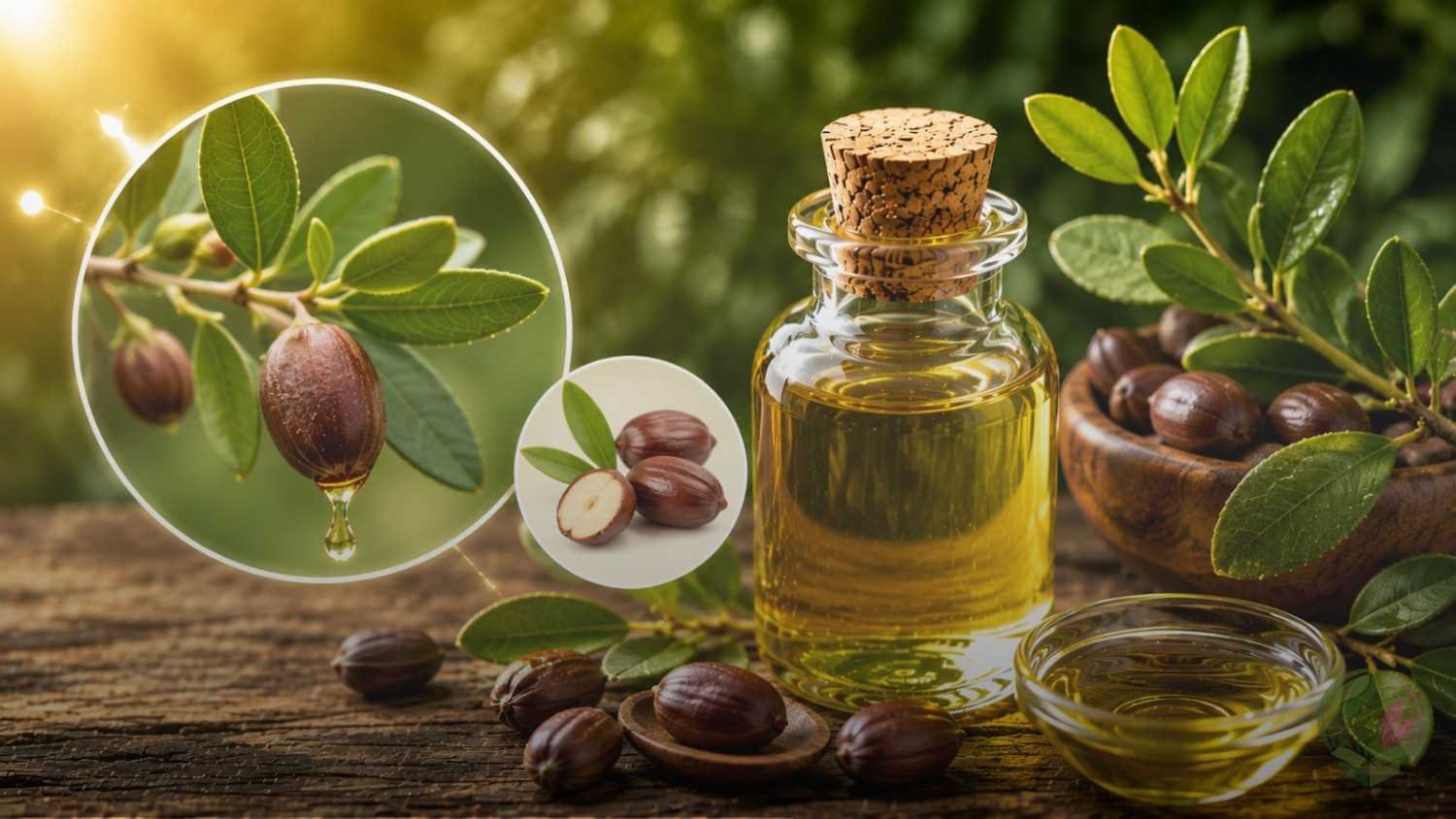
Jojoba oil is one of nature’s most remarkable botanical extracts — a liquid wax pressed from the seeds of the jojoba shrub that has been used for centuries and now sits at the heart of modern skincare science.
History
The jojoba plant (Simmondsia chinensis) is native to the Sonoran Desert of the American Southwest and northwestern Mexico.
Indigenous communities, including the Tohono O’odham and Seri peoples, extracted oil from the seeds and used it for wound healing, hair conditioning, and soothing sun-damaged skin long before it reached commercial markets.
Interest in jojoba surged in the 1970s when the global ban on sperm whale oil — once used as an industrial and cosmetic lubricant — created a need for a sustainable substitute.
Jojoba proved to be the perfect replacement: chemically similar, plant-derived, and extraordinarily stable.
What Is Jojoba Oil and What Is It Made From?
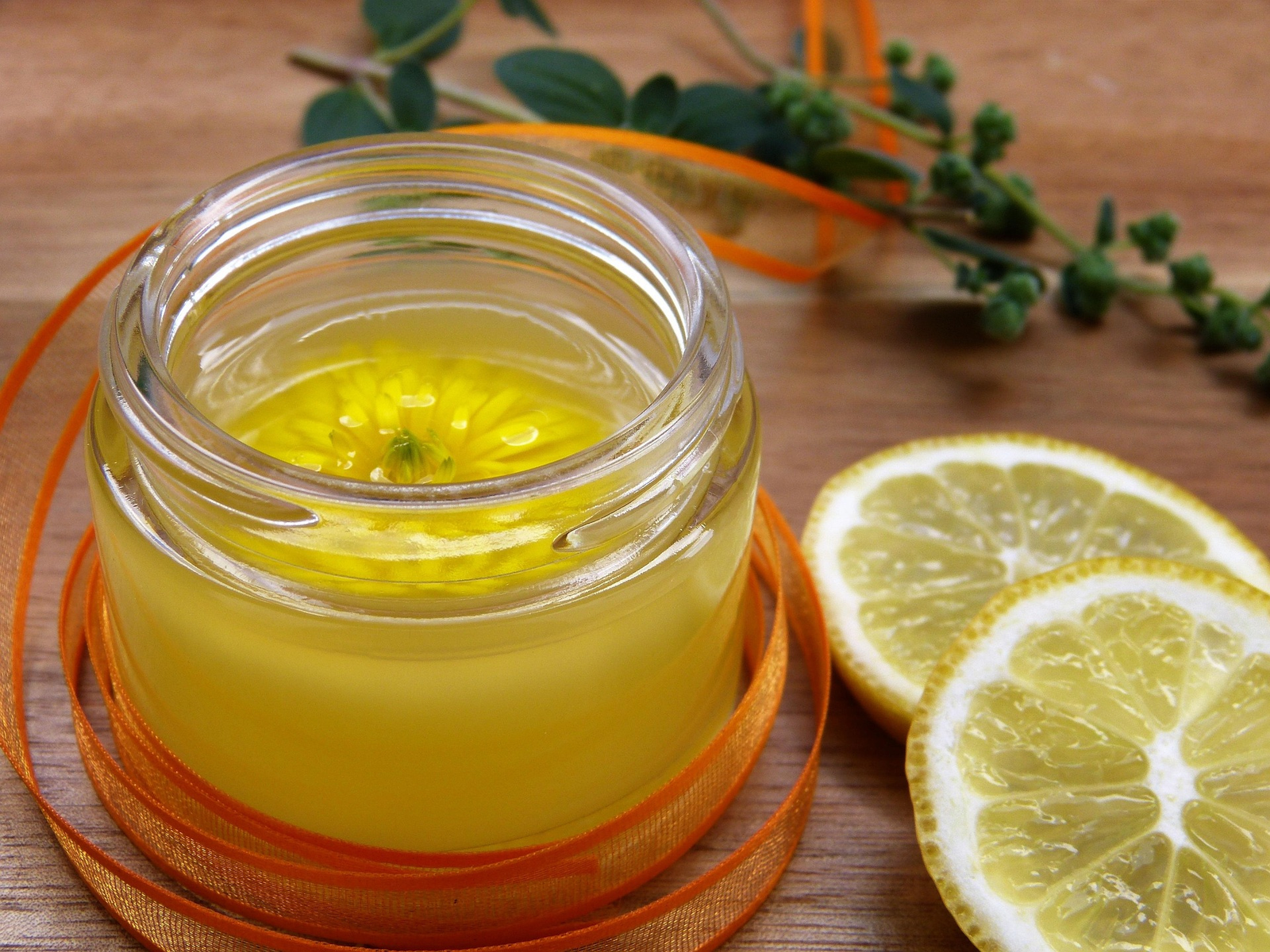
Strictly speaking, jojoba oil is not an oil at all — it is a liquid wax. It is cold-pressed from the seeds of the jojoba shrub and is composed almost entirely of long-chain wax esters, which gives it a molecular structure unlike any true vegetable oil.
While most plant oils are triglycerides that can go rancid, jojoba’s wax esters are extraordinarily resistant to oxidation, giving it a shelf life of two or more years without preservatives.
The seed itself contains roughly 50% oil by weight. After cold-pressing and filtration, the result is a clear golden liquid with a very mild, nutty scent — or a colourless, odourless refined version commonly used in cosmetics.
The Chemistry Behind Jojoba Oil
The primary components of jojoba wax are eicosenoic acid and eicosanol (C20) and docosenoic acid and docosanol (C22), forming wax esters that account for roughly 96–97% of its composition.
The remainder includes small amounts of free fatty acids, sterols, flavonoids, and fat-soluble vitamins such as Vitamin E (tocopherols), which contribute to its antioxidant properties.
One of the most celebrated chemical facts about jojoba is how closely its molecular profile resembles human sebum — the natural oil our skin produces. This similarity is what makes it such an effective moisturiser and why it is well tolerated even by sensitive and acne-prone skin types.
Jojoba Oil vs. Human Sebum
Human sebum is also composed largely of wax esters, and jojoba mimics this structure more closely than any other known plant-derived substance.
When applied topically, jojoba blends seamlessly with the skin’s lipid layer rather than sitting on the surface like heavier oils.
This allows it to regulate sebum production — when the skin recognises a sebum-like substance has been applied, it may reduce its own overproduction, which is why jojoba is often recommended for oily and combination skin.
13 Reasons to Add Jojoba Oil to Your Skincare Routine
Research and dermatologist recommendations consistently highlight jojoba’s broad range of skin benefits:
- Moisturising — forms a non-greasy barrier to lock in hydration without clogging pores
- Antibacterial — shown to inhibit certain bacteria including Staphylococcus aureus
- Antioxidant-rich — natural Vitamin E content fights free radical damage
- Noncomedogenic — absorbs cleanly and will not block pores or trigger breakouts
- Hypoallergenic — rarely causes reactions; suitable for sensitive skin types
- Controls sebum production — helps balance oil in oily and combination skin
- May boost collagen — preliminary evidence suggests it supports collagen synthesis
- Aids wound healing — anti-inflammatory properties may help minor wounds heal faster
- Soothes eczema and psoriasis — helps relieve dryness, flaking, and irritation
- May soothe sunburns — cooling and anti-inflammatory effect on sun-exposed skin
- May help treat acne — antibacterial and sebum-balancing properties reduce breakouts
- May reduce fine lines — Vitamin E and collagen support slow visible ageing
- May minimise scars — supports skin regeneration and may soften scar tissue
Uses and Effectiveness
Jojoba’s applications span skincare, haircare, and even pharmaceutical and industrial settings.
Topically, it functions as an emollient, carrier oil for essential oils, makeup remover, and scalp treatment. In the pharmaceutical world, it has been studied as a vehicle for transdermal drug delivery due to its deep skin penetration and excellent tolerability.
Cosmetically, it appears in moisturisers, serums, lip balms, sunscreens, and hair conditioners.
Its remarkable stability makes it especially prized for formulations that require a long shelf life without synthetic preservatives.
How to Use Jojoba Oil in Your Skincare Routine
- Apply 2–3 drops directly to cleansed skin as a facial moisturiser morning or night.
- Mix with your existing moisturiser or serum to boost hydration without changing texture.
- Use as a gentle makeup remover — massage onto dry skin, then rinse.
- Apply to the scalp and hair ends as an overnight conditioning treatment.
- Dab onto dry cuticles, elbows, or heels as a targeted body treatment.
Side Effects and Special Precautions
Jojoba oil is considered very safe for topical use by most people. Serious side effects are rare.
However, a small number of individuals may experience contact dermatitis or skin irritation, particularly those with known plant allergies.
A patch test on the inner wrist before full facial application is always recommended when trying a new product.
Important: Jojoba oil is for external use only. Ingesting jojoba is potentially harmful — it contains erucic acid-like compounds (simmondsin) that have been shown to cause digestive issues and cardiac lesions in animal studies. Never consume jojoba oil.
Jojoba Farming and Sustainability
Jojoba is grown commercially in the United States (primarily Arizona), Israel, Mexico, Argentina, and Australia.
Because it is a desert-adapted perennial shrub, it requires far less water than conventional crops and can thrive on marginal land unsuitable for food production.
This makes jojoba farming a genuinely sustainable agricultural practice, and organic-certified jojoba is widely available for consumers seeking a clean-beauty product with strong environmental credentials.
The Bottom Line
Jojoba oil is a uniquely versatile, scientifically supported, and sustainably produced natural ingredient.
Whether your goal is to moisturise, control oil, soothe irritation, or simply simplify your skincare routine to fewer, better ingredients, jojoba is one of the rare products that lives up to its reputation — for almost every skin type, almost every concern.