Argan Oil and Black Hair: Benefits, Best Methods and Tips
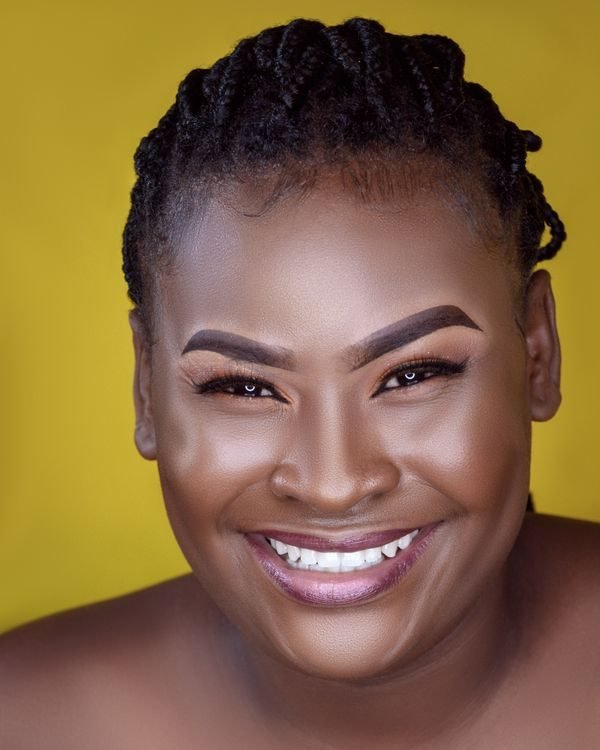
Argan oil and black hair make a natural pair, and not just because argan oil is fashionable. Black and textured hair, from loose waves to tight coils, tends to be drier than straight hair, because natural scalp oil struggles to travel down a curled strand. Every bend is a place where sebum stalls, so the ends, which are the oldest and most fragile part of the hair, often get almost none of it. Argan oil is light enough not to weigh curls down, yet rich enough to add softness and shine, and that balance is exactly what textured hair needs. This guide shows how to use argan oil and black hair routines together, with argan oil and black hair care built around moisture first in a way that actually suits coils, curls and protective styles.
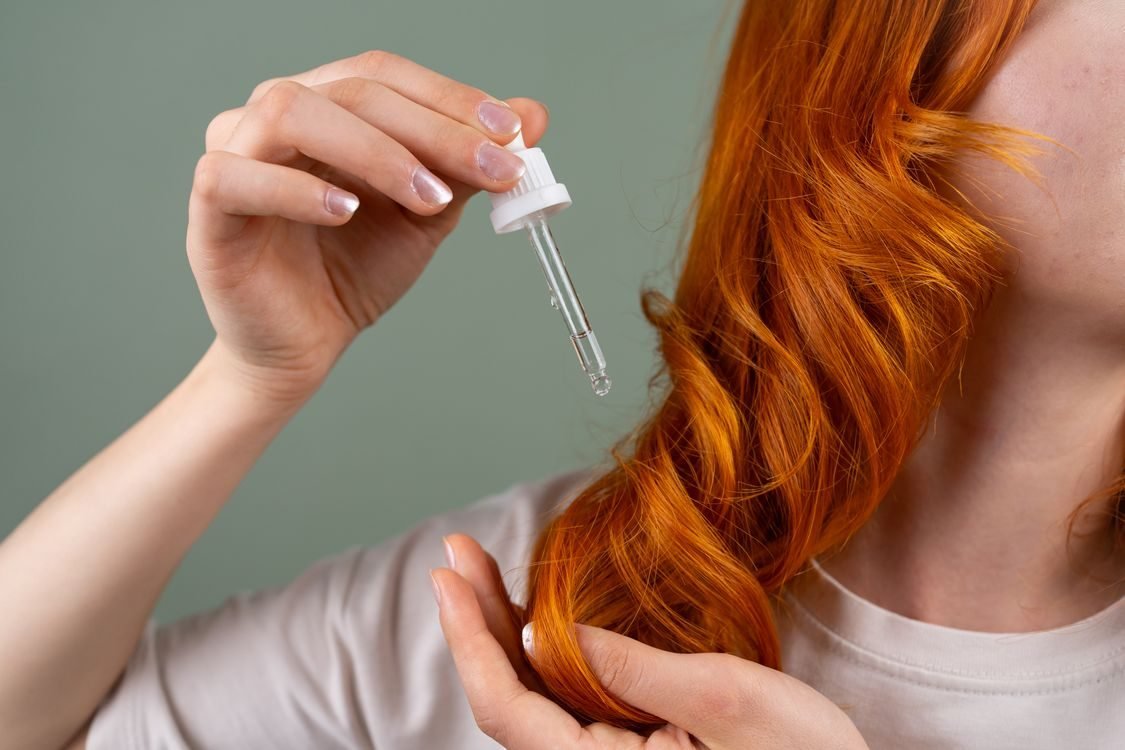
Why Black Hair Needs Extra Moisture
The shape of a coily strand explains most of what you need to know about caring for it. A straight strand gives sebum a smooth slide from scalp to ends. A coily strand gives it a winding staircase, with a bend at every turn, and the oil simply does not make the full journey. On top of that, each bend is a weak point where the hair is more likely to snap, especially when it is dry. That is why moisture and sealing sit at the centre of most routines for textured hair, and why a routine that works for straight hair, a quick wash and a brush through, often leaves coily hair feeling like straw by the afternoon.
Benefits of Argan Oil and Black Hair Care
Used properly, argan oil and black hair routines gain several things at once, and if you want the full background on the oil itself, start with our guide on argan oil for hair, which is why argan oil and black hair pairings come up so often. Softness and flexibility come first: the fatty acids in argan oil help smooth the hair surface, so strands feel less brittle and bend without snapping. Shine follows, a healthy sheen rather than a heavy greasiness, which matters because textured hair can look dull even when it is healthy, simply because light scatters off a curled surface. Frizz control is another real benefit, since sealed, moisturised hair is less likely to reach out for moisture from humid air and puff up. Moisture sealing is the quiet workhorse: argan oil slows water loss after a wash, so the moisture you put in during wash day lasts longer. And while argan oil can reduce friction and give a light feeling of heat protection, it is not a substitute for a proper heat protectant, and anyone doing a silk press or regular flat ironing should still use one.
How to Use Argan Oil on Black Hair
When it comes to argan oil and black hair, the method matters more than the amount, and the golden rule is simple: start on wet or damp hair. Oil seals water in, it does not create it, so oil on bone-dry hair mostly just sits there and attracts dust. A reliable wash-day order looks like this. Wash and condition as usual, then apply a leave-in conditioner or a light moisturiser to damp hair, section by section. Warm a few drops of argan oil between your palms, smooth it through each section from mid-length to ends, and then, if your hair is very dry, seal with a cream or butter on top. This layering is often called the LOC method, short for liquid, oil, cream, and some people prefer LCO, swapping the cream and oil, depending on what their hair absorbs better. Try both orders for a few wash days and let your hair tell you which one leaves it softer for longer.
Style as usual after sealing in your argan oil and black hair routine, and avoid overloading the roots. The scalp makes its own oil, and piling more on top leads to greasy roots, itching and buildup, while the ends stay thirsty. A good habit is to oil the lengths and ends generously, by textured-hair standards, and to touch the scalp only lightly, if at all. If your hair feels coated or limp after styling, you used too much, and the fix is not a different oil, it is fewer drops next time. For a fuller comparison of when an oil earns its place versus a leave-in, our hair oils vs leave-in conditioner guide explains the difference clearly.
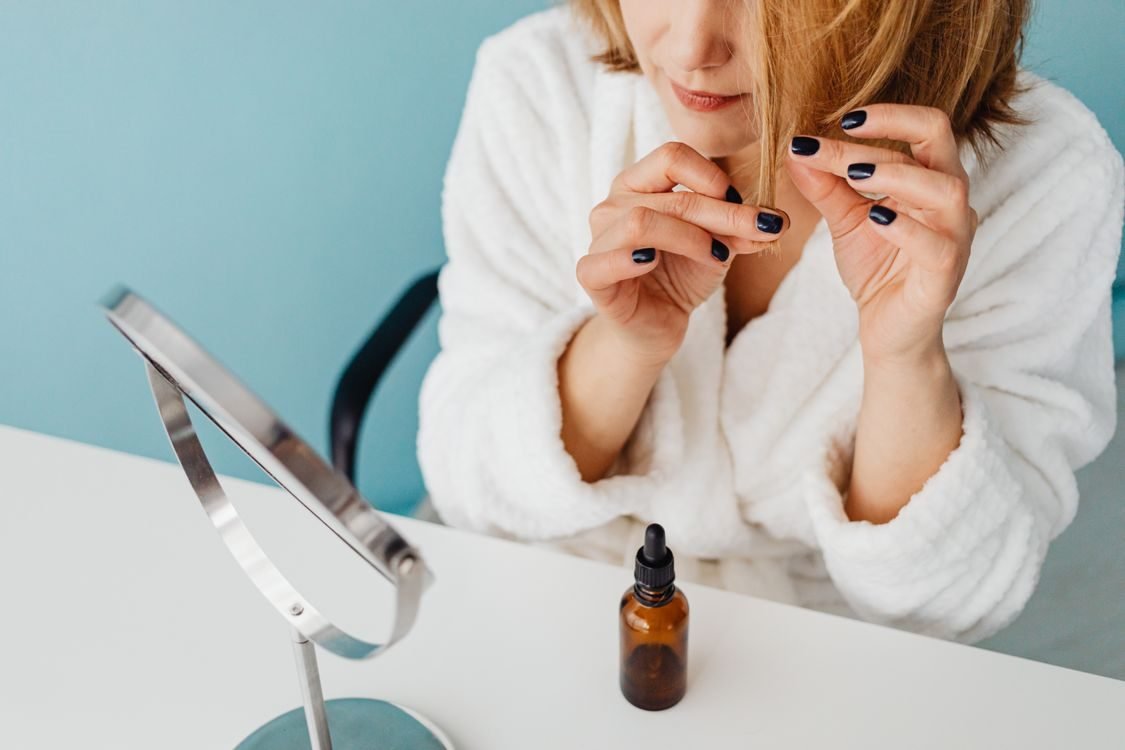
Argan Oil and Black Hair: Different Needs, Different Amounts
Textured hair is not one thing, and argan oil and black hair needs differ with every style, so the same bottle behaves differently depending on the style and condition of the hair. Natural hair and coils usually need argan oil as a sealant after moisturising, a few drops per section, smoothed through rather than poured on. Relaxed or chemically treated hair often welcomes the softness argan oil restores after chemical processing, though thin or fragile relaxed hair needs a lighter hand, because too much oil will make it limp and stringy. Braids and twists benefit from lightly oiling the scalp and the ends to fight dryness and frizz between washes, but heavy oiling under braids traps buildup against the scalp, so keep it light and wash on schedule. Locs need the lightest touch of all, since residue builds up inside a loc and is very hard to remove; for locs, our guide to jojoba oil for locs compares lighter options that may suit better. A silk press or heat styling is the one moment for a finishing drop: a single drop smoothed over the ends after styling gives shine without disturbing the smoothness you just created.
Scalp Care With Argan Oil
For argan oil and black hair scalp care, argan oil can soothe a dry scalp when massaged in lightly, and a short scalp massage is one of the more pleasant parts of a routine. Part the hair in sections, warm two or three drops between your fingertips, and massage gently into the scalp for a few minutes, using fingertips rather than nails. The goal is to spread a thin layer and loosen dryness, not to saturate the scalp. If you are looking for extra support for thinning edges or growth in an argan oil and black hair routine, many people pair argan oil with castor oil, or with a mix like coconut oil and Jamaican black castor oil, and our castor oil benefits, uses and side effects guide covers that heavier oil honestly. No oil is a proven hair growth treatment, though, so if you notice sudden hair loss, widening parts, or bald patches, see a doctor or dermatologist rather than trying stronger oils. Thinning edges in particular deserve a professional opinion, because traction from tight styles can cause lasting damage if it goes on unchecked.
Porosity: The Detail That Changes How Much Oil You Need
Porosity, how readily your hair absorbs and holds water, is the detail that changes argan oil and black hair routines most, and it explains why the same routine works beautifully for one person and leaves another person’s hair greasy. Low-porosity hair has tightly closed cuticles, so water and products sit on the surface longer. It needs very little oil, applied to warm, damp hair, and it benefits from heat, like a warm towel or a steamer, to help moisture in. High-porosity hair, often from colour, heat or chemical damage, has a more open cuticle, so it drinks up moisture quickly and loses it just as fast. It usually needs a little more oil and a cream on top to seal, and it benefits from more frequent, lighter applications between washes. If you do not know your porosity, a simple clue is how long your hair takes to get fully wet in the shower, and our argan oil for different hair types guide covers how this plays out across textures: hair that resists wetting is usually low porosity, while hair that soaks instantly and dries quickly is often high porosity.
Choosing Good Argan Oil
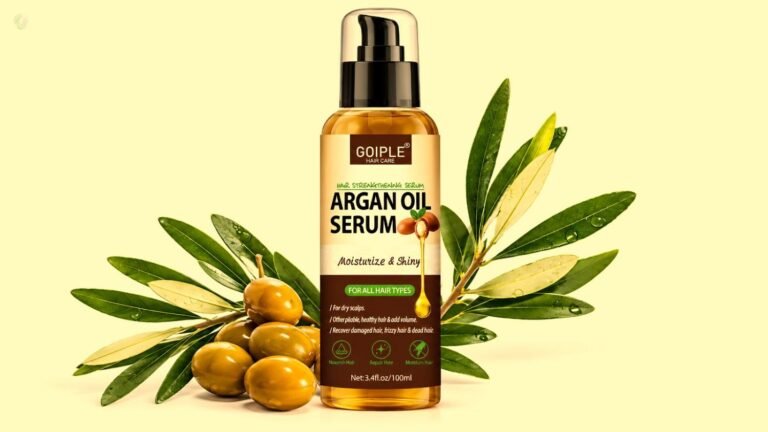
The bottle matters as much as the method when you buy for argan oil and black hair care generally, because the market is full of blends pretending to be pure oil. Look for 100 percent pure, cold-pressed argan oil, with no fragrance or fillers, and a single ingredient on the label. Choose dark glass packaging, which protects the oil from light, and a dropper or pump cap, which helps you dose in drops instead of pouring. Buy cosmetic argan oil for hair, since culinary versions are roasted, smell different, and are made for cooking rather than for the scalp. Check the ingredients carefully if you buy a serum rather than a pure oil, because silicones are common in serums and they change how the product behaves, coating the hair rather than absorbing, and building up if you do not clarify regularly. If you like pairing oils, our guide to argan oil and jojoba oil together shows a combination that works well without heaviness, and argan oil for curly hair covers the curl-specific angles in more depth.
Mistakes to Avoid
- Using too much. Too much argan oil and black hair ends up limp, stringy and dust-attracting. Start with drops, not pours.
- Applying to dry, brittle hair only. Oil seals water in, it does not create it. Add water or a leave-in first, always.
- Skipping a clarifying wash. Oil, cream and styling products build up over time. Wash regularly to prevent a coated, dull feeling.
- Ignoring porosity. Low-porosity hair needs very little oil and warm, damp application, while high-porosity hair needs more sealing.
- Skipping a real heat protectant. Argan oil gives a light feeling of protection, but it is not a substitute when you flat iron or silk press.
- Oiling a dirty scalp. Adding oil on top of buildup seals the dirt in. Wash first, then oil lightly.
- Buying a fake blend. Look for 100 percent pure, cold-pressed, single-ingredient oil, not a fragranced blend.
Frequently Asked Questions
How often should I use argan oil on black hair?
For argan oil and black hair, two to three times a week is common for sealing after moisturising, and a drop daily on the ends is fine if they dry out between washes. Let your hair guide you: soft, defined hair that is not greasy is getting enough, while coated or limp hair is getting too much.
Can argan oil make black hair grow?
Argan oil and black hair length retention go together, but not because the oil speeds up growth. It helps you keep the length you grow by reducing breakage and keeping strands flexible, while growth itself comes from genetics, health and nutrition. If hair is breaking as fast as it grows, reducing breakage is what finally lets length show.
Can I leave argan oil in overnight?
Yes, with a satin bonnet or scarf. An overnight argan oil and black hair treatment on damp, moisturised hair, sealed with argan oil and protected by satin, often leaves hair noticeably softer in the morning. Rinse in the morning if your hair feels heavy, and use less oil next time rather than skipping the treatment altogether.
Is argan oil good for 4C hair?
Can I use argan oil every day?
The Bottom Line
Argan oil and black hair work well together when you use the oil on moisturised hair, and that argan oil and black hair balance is the whole routine in one sentence, in small amounts, and as one part of a routine rather than the whole routine. Pair it with regular deep conditioning, gentle handling, a satin bonnet at night and clarifying washes on schedule, and it will do what it does best: keep textured hair soft, shiny and less prone to breakage, so the length you grow actually stays.
2 Comments