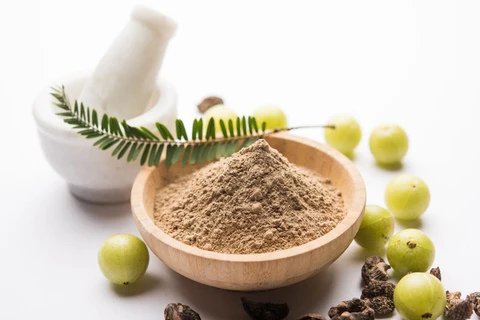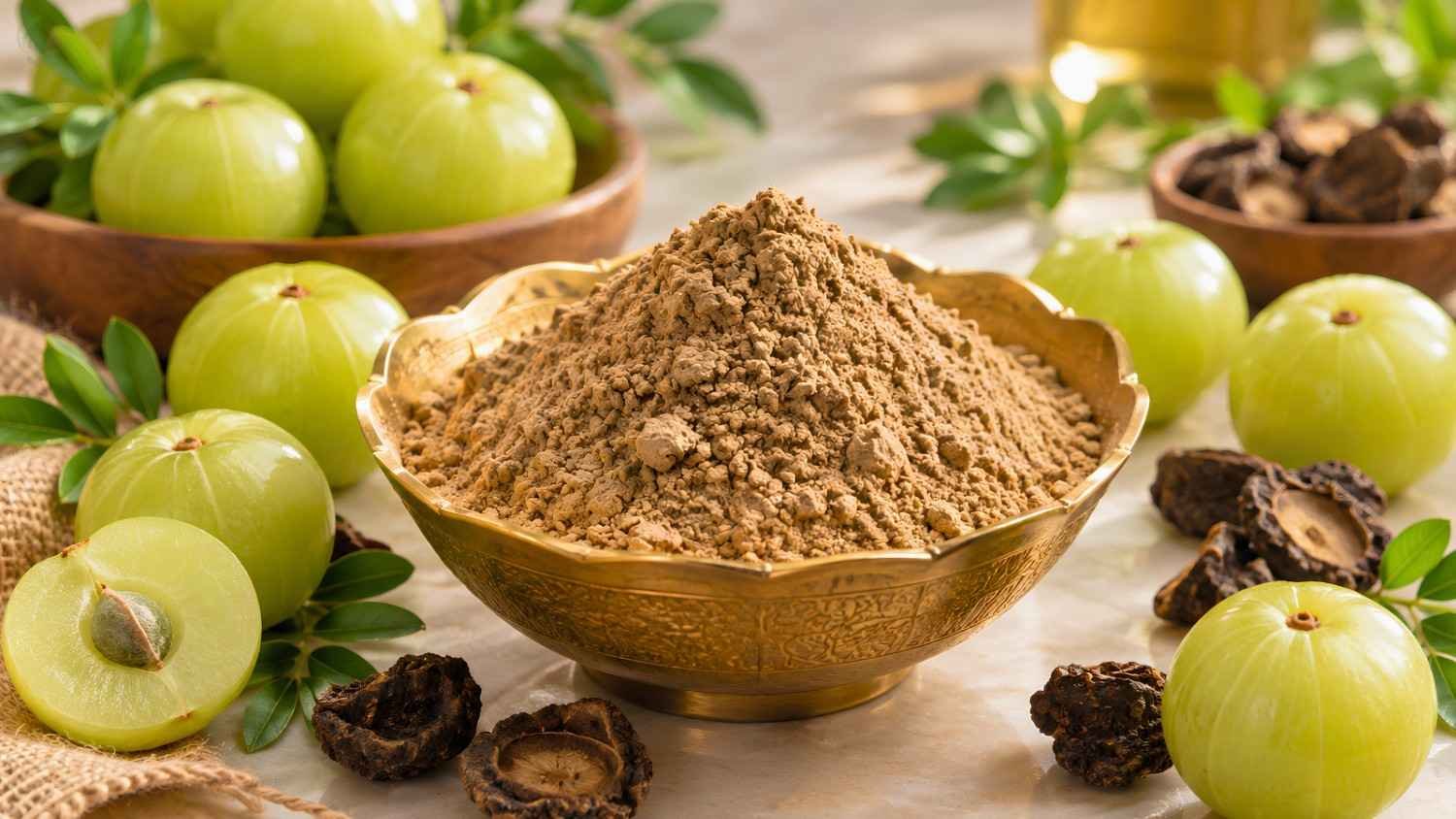
Amla powder for hair growth and skin sits in a lot of kitchen cabinets and beauty shelves, but plenty of people aren’t entirely sure how to actually use it correctly. Between hair masks, face packs, and drinking it straight, the options can feel a little overwhelming.
This guide breaks down exactly how to use amla powder for both hair growth and skin, step by step, so you get real results instead of guessing.
Why Amla Powder for hair growth and skin works ?
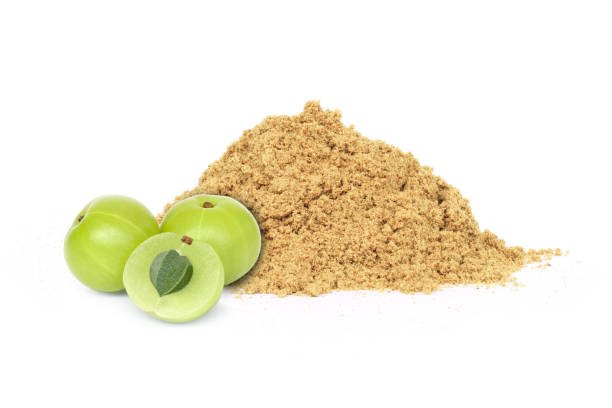
Amla, or Indian gooseberry, is naturally rich in vitamin C, antioxidants, and plant compounds like gallic acid and polyphenols. These same compounds support collagen production, reduce oxidative stress, and nourish hair follicles, which is exactly why the same powder shows up in both hair and skin routines.
It’s not a coincidence that Ayurvedic medicine has used amla for both purposes for centuries. The nutrients responsible for healthier skin are largely the same ones responsible for stronger, healthier-looking hair.
How to Use Amla Powder for Hair Growth
Getting real results from amla powder comes down to how you prepare it, how often you use it, and giving it enough time to actually work.
Method 1: Amla Powder and Water Rinse
This is the simplest method and works well for people who want a quick, low-effort routine. Mix two to three tablespoons of amla powder into two cups of warm water, and let it sit for 15 to 20 minutes so the nutrients release into the water.
Strain out the solids, then use the liquid as a final rinse after shampooing. Don’t rinse it out again afterward, just let your hair air dry so the nutrients stay on the scalp and hair shaft.
Method 2: Amla Powder and Coconut Oil Hair Mask
Mix two tablespoons of amla powder with three tablespoons of warmed coconut oil until it forms a smooth paste.
Apply the mixture to your scalp and through the length of your hair, focusing on areas that feel dry or weak.
Leave it on for 30 to 45 minutes, then wash it out thoroughly with a mild shampoo.
This combination pairs amla’s antioxidant content with coconut oil’s ability to penetrate the hair shaft, making it one of the more effective mask combinations for hair growth support.
Method 3: Amla and Henna for Growth and Grey Hair
Mix amla powder with henna powder in roughly equal parts, using warm water to form a smooth paste. Apply it evenly through your hair, leave it on for one to two hours, and rinse thoroughly.
This method is traditionally used for people dealing with early greying who also want the strengthening benefits of amla, since henna and amla are frequently combined in classic Ayurvedic hair treatments.
Method 4: Amla Powder Hair Mask With Yogurt
Combine two tablespoons of amla powder with three tablespoons of plain yogurt to create a smooth, protein-rich paste. Apply it to your scalp and hair, leave it on for 20 to 30 minutes, then rinse out with a gentle shampoo.
Yogurt adds a mild protein and probiotic boost, which some people find helps with scalp irritation or mild dandruff alongside amla’s nourishing properties.
How Often Should You Use Amla Powder for Hair?
Two to three times a week is generally the sweet spot for most hair types. Using it daily isn’t necessary and can be time-consuming without added benefit, while using it too infrequently makes it harder to notice real results.
Most people need at least four to six weeks of consistent use before they start noticing a meaningful difference in hair strength, shine, or reduced breakage.
How to Use Amla Powder for Skin
Amla powder’s vitamin C and antioxidant content make it just as useful for skin care as it is for hair, particularly for improving tone, texture, and mild pigmentation over time.
Method 1: Amla Powder and Honey Face Mask
Mix one teaspoon of amla powder with one teaspoon of raw honey to form a thick paste. Apply it evenly to clean, dry skin, avoiding the eye area, and leave it on for 10 to 15 minutes before rinsing with lukewarm water.
Honey’s natural humectant properties pair well with amla’s antioxidants, making this combination especially useful for dry or dull-looking skin.
Method 2: Amla Powder and Yogurt for Brightening
Combine one teaspoon of amla powder with two teaspoons of plain yogurt. Apply the mixture to your face, let it sit for 10 minutes, then rinse off with cool water.
The lactic acid naturally present in yogurt works alongside amla’s vitamin C content, which some people use specifically to help even out mild skin tone irregularities over time.
Method 3: Amla Powder and Rose Water Toner Paste
Mix a small amount of amla powder with rose water to form a thin paste rather than a thick one. Apply it as a light layer for five to seven minutes, then rinse thoroughly, since this version is meant to be gentler and quicker than a full face mask.
This method is often used by people with sensitive skin who want amla’s benefits without a heavier, longer-sitting mask.
How Often Should You Use Amla Powder on Your Face?
Once or twice a week is generally enough for most skin types. Amla powder can be slightly drying or mildly acidic for some people, so overuse, especially daily use, can lead to irritation rather than better results.
Always patch-test on a small area of skin first, particularly if you have sensitive or reactive skin, before applying a full face mask.
Things to Keep in Mind Before You Start
A few practical tips make a real difference in how well amla powder actually works for you. Always use lukewarm or cool water rather than hot water, since heat can break down some of amla’s more delicate compounds.
Store your amla powder in a cool, dry, airtight container, since exposure to moisture and heat gradually reduces its potency. If you have any known allergies to gooseberries or related plants, do a patch test before applying any amla-based mask to your face or scalp.
Final Thoughts
Amla powder earns its reputation as a dual-purpose ingredient because the same nutrients that strengthen hair also support healthier, more even-looking skin. The key to actually seeing results isn’t using it constantly, it’s using the right method consistently, whether that’s a weekly hair mask, an occasional face pack, or both.
Give it a few weeks before judging results, and adjust the method based on how your hair and skin respond along the way.
This article is for general informational purposes and isn’t a substitute for professional medical or dermatological advice. If you have known allergies or a skin condition, consult a professional before trying a new treatment.