

Indian gooseberry, also known as amla, is a small green fruit that has been used in traditional Indian health and beauty practices for centuries. It is valued for its naturally occurring vitamin C, antioxidants, and plant compounds.
Today, Indian gooseberry is available in many forms, including fresh fruit, dried amla, amla powder, juice, supplements, and amla oil for hair.
But what makes Indian gooseberry so popular? What are its potential health benefits, and how can you use it for hair care?
In this guide, we will look at the Indian gooseberry benefits, nutritional properties, common uses, potential side effects, and its role in hair care.
What Is Indian Gooseberry?
Indian gooseberry (Phyllanthus emblica) is a small, round, green fruit that grows on the amla tree. It is also commonly called amla or Emblica officinalis.
The fruit has a distinctive sour and slightly bitter taste. It has long been used in Ayurvedic medicine and traditional Indian diets.
One reason Indian gooseberry has attracted so much attention is its nutritional profile. Amla contains vitamin C and antioxidant compounds, although the exact nutritional content can vary depending on how the fruit is prepared and stored.
Indian gooseberry can be eaten fresh or used to make juice, powder, pickles, preserves, and other preparations.
It is also widely used in natural hair-care products.
Indian Gooseberry Nutrition
Indian gooseberry is best known for its vitamin C content and antioxidant properties.
It contains several naturally occurring plant compounds that may help protect cells from oxidative stress. The fruit also provides small amounts of other nutrients and bioactive compounds.
Because Indian gooseberry is often consumed in different forms, its nutritional value can vary.
For example, fresh amla, dried amla, amla powder, juice, and supplements are not nutritionally identical.
Indian Gooseberry Benefits
Indian gooseberry has been studied for several potential health benefits. However, research quality varies, and some traditional uses have stronger scientific evidence than others.
Here are some of the most commonly discussed Indian gooseberry benefits.
1. Rich in Vitamin C and Antioxidants
One of the most important characteristics of Indian gooseberry is its antioxidant content.
Vitamin C is an essential nutrient that supports normal immune function and helps protect cells from oxidative stress.
Indian gooseberry also contains other plant compounds with antioxidant activity.
This combination is one reason amla has become popular in traditional wellness practices and modern natural-health products.
2. May Support Heart Health
Research has investigated Indian gooseberry for several cardiovascular risk factors, including cholesterol and blood lipid levels.
Some studies suggest that amla preparations may have a positive effect on certain heart-health markers.
However, Indian gooseberry should not be considered a replacement for prescribed treatment, a balanced diet, exercise, or other evidence-based approaches to cardiovascular health.
3. May Help Support Healthy Blood Sugar Levels
Another area of interest is the potential effect of Indian gooseberry on blood sugar.
Some research suggests that amla may help support healthy blood glucose levels, although more high-quality human research is needed to understand its effectiveness.
If you have diabetes or take medication that affects blood sugar, talk with your healthcare professional before using concentrated amla supplements.
4. May Support Immune Health
Vitamin C plays an important role in normal immune function, and Indian gooseberry is naturally rich in this nutrient.
Eating a nutrient-rich diet that includes fruits and vegetables can help support overall health and normal immune function.
However, eating Indian gooseberry does not guarantee protection from infections or illness.
5. Contains Compounds With Anti-Inflammatory Potential
Indian gooseberry contains several plant compounds that have been studied for antioxidant and anti-inflammatory activity.
These properties are one reason amla has attracted attention in traditional medicine and modern nutritional research.
Still, laboratory findings do not automatically mean that eating amla will produce the same effects in humans.
6. May Support Liver Health
Researchers have also investigated Indian gooseberry for its potential protective effects on the liver.
Some experimental studies have produced promising findings, particularly regarding oxidative stress and liver damage.
However, more human research is necessary before Indian gooseberry can be considered a treatment for liver disease.
7. May Have Benefits for Skin Health
The antioxidants and vitamin C found in Indian gooseberry may also make it interesting for skin care.
Vitamin C is involved in normal collagen production and helps protect cells from oxidative stress.
Amla extracts are therefore found in some traditional and modern beauty products.
However, the effects of topical amla products can depend on the formulation and concentration of the product.
Indian Gooseberry Benefits for Hair
Indian gooseberry has a particularly strong reputation in traditional hair care.
For generations, amla has been used in Indian hair routines in the form of amla oil, amla powder, and herbal hair treatments.
Amla Oil for Hair
Amla oil is one of the most popular ways to use Indian gooseberry for hair.
It is commonly applied to the scalp and hair as a conditioning treatment.
Amla oil may help:
- Condition dry hair
- Improve the appearance of shine
- Make hair feel softer
- Reduce the feeling of dryness
- Support scalp care
- Reduce friction and help with detangling
- Complement a regular hair-care routine
Some research has also investigated whether amla preparations may influence hair growth, but the evidence is still limited.
Does Indian Gooseberry Help Hair Growth?
This is one of the most searched questions about amla.
Indian gooseberry and amla oil are traditionally associated with stronger, longer-looking hair. Some research suggests that amla-based preparations may have potential benefits for hair growth.
However, there is not enough strong clinical evidence to say that Indian gooseberry can reliably regrow hair or cure hair loss.
Hair loss can happen for many reasons, including genetics, hormonal changes, nutritional deficiencies, stress, medications, and medical conditions.
If you are experiencing significant or sudden hair loss, it is important to identify the underlying cause rather than relying only on amla oil or other natural remedies.
How to Use Indian Gooseberry ?
There are several ways to include Indian gooseberry in your routine.
Fresh Indian Gooseberry
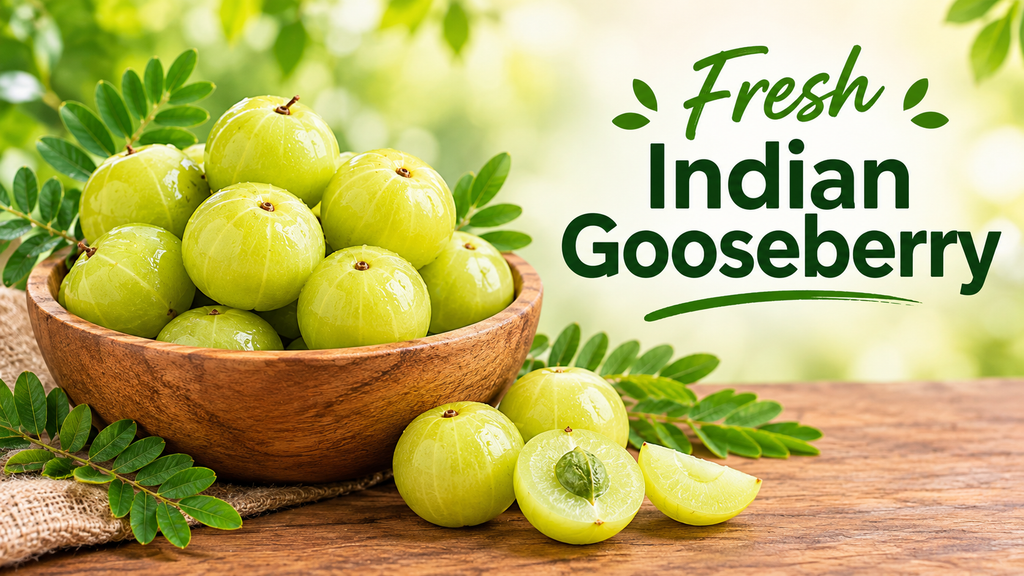
Fresh amla can be eaten directly or used in traditional recipes.
Because of its sour taste, many people prefer to combine it with other foods or prepare it in a different form.
Indian Gooseberry Powder
Amla powder is made from dried Indian gooseberry.
It can be used in traditional recipes, drinks, and some homemade hair treatments.
If you are consuming amla powder as a supplement, follow the product’s recommended serving rather than assuming that more is better.
Amla Juice
Indian gooseberry juice is another popular preparation.
Commercial products can vary considerably in their ingredients and sugar content, so checking the label is important.
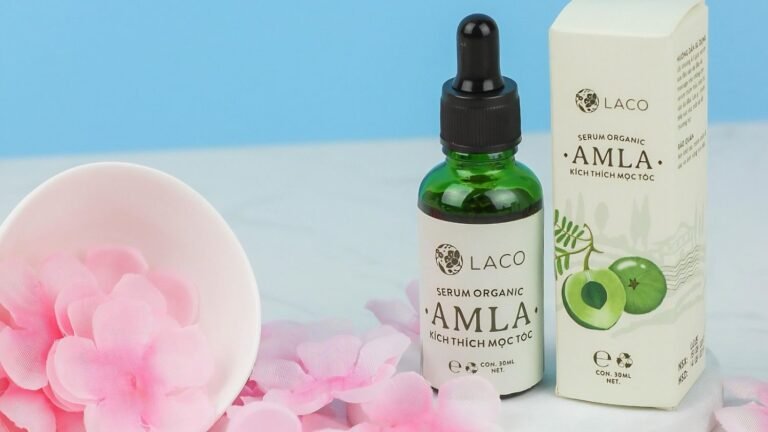
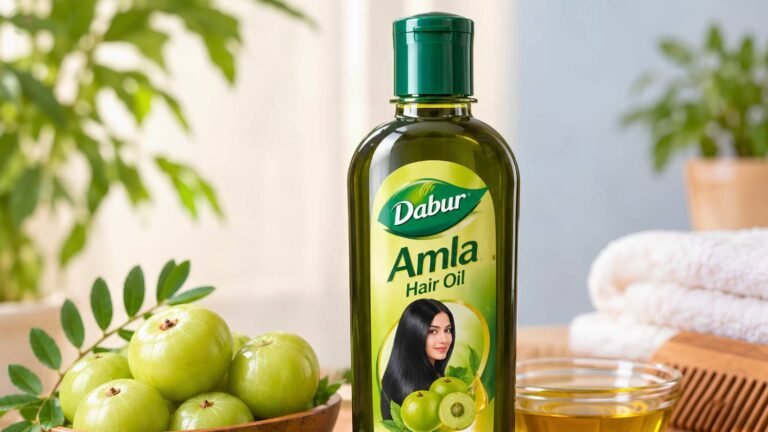
Amla Oil
For hair care, amla oil is one of the most common options.
You can apply a small amount to the scalp and hair, gently massage it in, and wash it out after your preferred treatment time.
Using too much oil can make the hair greasy and may make shampooing more difficult.
How to Use Amla Oil for Hair
If your main interest in Indian gooseberry is hair care, try this simple routine:
- Start with a small amount of amla oil.
- Divide your hair into sections.
- Apply the oil gently to your scalp.
- Massage with your fingertips without scratching.
- Distribute the remaining oil through your hair lengths.
- Leave it on for a suitable amount of time.
- Wash your hair thoroughly with shampoo.
You do not need to soak your hair in oil to get the conditioning benefits.
For beginners, using an amla hair oil once a week can be a simple starting point.
Can You Leave Amla Oil Overnight?
Some people leave amla oil on their hair overnight as an intensive conditioning treatment.
However, overnight oiling is not necessary for everyone.
If you have an oily or sensitive scalp, leaving oil on for many hours may feel uncomfortable. A shorter pre-shampoo treatment may work better.
The best routine depends on your hair type, scalp condition, and how your hair responds to the product.
Indian Gooseberry for Different Hair Types
Amla-based hair products can be used with many hair types.
They may be particularly useful as a conditioning treatment for:
- Dry hair
- Brittle hair
- Rough hair
- Dull-looking hair
- Hair that needs additional conditioning
People with fine or oily hair may prefer using a smaller amount to avoid a heavy or greasy feeling.
heavy or greasy feeling.
Potential Side Effects of Indian Gooseberry
Indian gooseberry is a food, but concentrated amla supplements and extracts can have different effects from eating the fruit.
Some people may experience digestive discomfort when consuming certain concentrated preparations.
Topical amla products may also cause irritation in people with sensitive skin.
Before applying amla oil or an amla-based hair treatment regularly, consider doing a small patch test.
If you develop redness, burning, swelling, itching, or other significant irritation, stop using the product.
If you take medication for blood sugar, blood clotting, or another medical condition, speak with your healthcare professional before taking concentrated Indian gooseberry supplements.
Indian Gooseberry vs. Amla: Are They the Same?
Yes.
Indian gooseberry and amla are two names for the same fruit.
The botanical name is Phyllanthus emblica, while Emblica officinalis is another name commonly associated with the plant.
In India and South Asia, the fruit is generally known as amla.
The term “Indian gooseberry” is commonly used in English-language health, nutrition, and beauty content.
Frequently Asked Questions About Indian Gooseberry
What is Indian gooseberry?
Indian gooseberry is a small green fruit commonly known as amla. Its botanical name is Phyllanthus emblica. It is traditionally used in Indian food, Ayurvedic practices, and hair care.
What are the main Indian gooseberry benefits?
Indian gooseberry is naturally rich in vitamin C and antioxidant compounds. It has been studied for potential benefits related to heart health, blood sugar, immune function, liver health, and oxidative stress. Evidence varies depending on the specific benefit.
Is Indian gooseberry good for hair?
Indian gooseberry is traditionally used for hair care, particularly in the form of amla oil and amla powder. It may help condition hair, improve the appearance of shine, and support scalp care. Evidence for directly promoting hair growth is still limited.
Does Indian gooseberry help hair growth?
Some research on amla-based preparations is promising, but there is not enough strong evidence to guarantee that Indian gooseberry will stimulate hair growth or treat hair loss.
How do you use Indian gooseberry for hair?
You can use Indian gooseberry in hair care through amla oil, amla powder, or formulated hair products. Amla oil can be applied to the scalp and hair as a pre-shampoo conditioning treatment.
Can I use amla oil every day?
Daily use is not necessary for most people. Starting with once or twice a week is a practical approach. Adjust the frequency depending on your hair and scalp.
Is Indian gooseberry safe?
Indian gooseberry as a food is commonly consumed, but concentrated supplements and extracts may have different safety considerations. People taking medication or managing a medical condition should consult a healthcare professional before using concentrated amla supplements.
The Bottom Line
Indian gooseberry, or amla, is a nutrient-rich fruit with a long history in Indian food, traditional wellness, and hair care.
Its naturally occurring vitamin C, antioxidants, and plant compounds make it an interesting ingredient for both nutrition and beauty products.
For hair care, amla oil can be a useful conditioning treatment that may help dry or brittle hair feel softer, smoother, and more manageable.
However, it is important to keep expectations realistic. Traditional use and early research are not the same as strong clinical evidence. In particular, more research is needed to determine how effectively Indian gooseberry or amla oil can support hair growth.
The best approach is to use amla as one part of a balanced health and hair-care routine rather than treating it as a cure-all.
One Comment