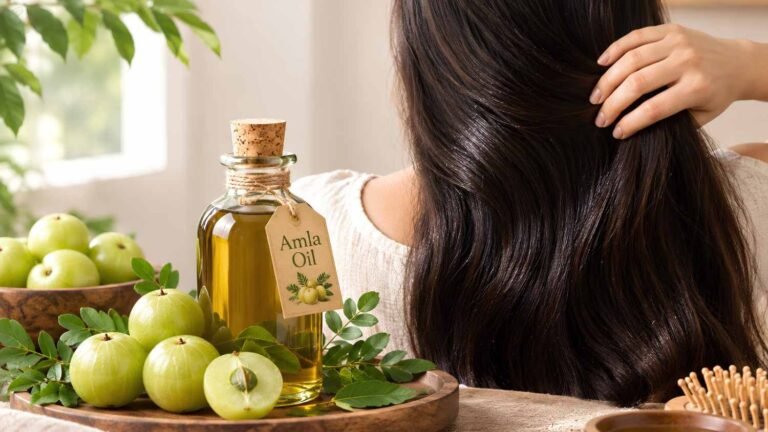
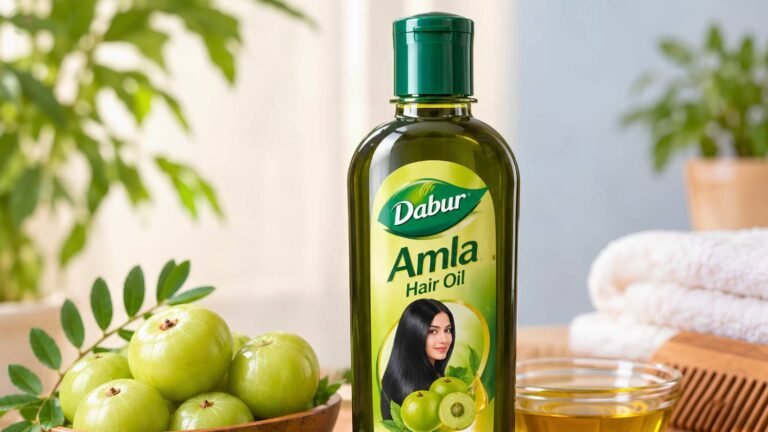
Scroll through hair oil listings from the Middle East or Europe, and you’ll spot the label “Bio Amla Hair Oil” more often than you’d expect. If you’ve assumed “bio” is just another marketing buzzword, it’s worth understanding what it actually means, and whether Bio Amla Hair Oil genuinely lives up to the name.
What Does “Bio” Actually Mean on an Amla Hair Oil Label?
In many countries, particularly across Europe and the Middle East, “bio” is the standard term for what English speakers usually call “organic.” So when you see Bio Amla Hair Oil on a bottle, it’s essentially signaling the same thing as an organic amla oil label would in the U.S. or U.K.
This matters because it means Bio Amla Hair Oil is meant to be free from synthetic pesticides, chemical fertilizers, and artificial processing aids, relying instead on amla, or Indian gooseberry, grown and extracted through more natural methods. The name itself is really a regional translation, not a separate category of product.
What’s Inside Bio Amla Hair Oil?

At its core, Bio Amla Hair Oil is built around amla extract, sourced from the fruit of the Phyllanthus emblica tree, blended into a carrier oil base, often coconut, sesame, or a lighter mineral oil depending on the brand.
Many products sold under this name also fortify the formula with herbs like jasmine, or additional botanical extracts meant to enhance shine and scalp comfort.
What sets a genuinely “bio” version apart is the absence of synthetic fragrances, artificial dyes, and heavily processed fillers that cheaper amla oils sometimes rely on to cut costs. The ingredient list tends to be shorter and more recognizable as a result.
Bio Amla Hair Oil Benefits
The benefits associated with Bio Amla Hair Oil largely mirror the traditional, well-documented properties of amla itself, just delivered through a cleaner, less processed formulation.
Strengthens Hair From Root to Tip
Amla’s natural gallic acid and tannin content is traditionally used to fortify the hair shaft, helping reduce breakage and split ends over consistent use.
This is one of the most frequently cited reasons people search for a bio or organic version specifically, expecting a purer concentration of these compounds.
Nourishes and Revives Dry, Dull Hair
Regular scalp massage with Bio Amla Hair Oil is believed to bring life back to dry, lifeless-looking hair, largely through improved circulation and the oil’s natural moisturizing properties.
Many users report a noticeable improvement in softness and manageability within a few weeks of consistent use.
Helps Regulate Hair Fall
Amla’s traditional role in reducing hair fall stems from its strengthening effect on weak, brittle strands, rather than any dramatic regrowth mechanism. Less breakage over time generally translates into fuller-looking, longer-retained hair.
Supports a Healthier Scalp
A clean, additive-free formulation is particularly relevant here, since fewer synthetic ingredients generally means less risk of scalp irritation or clogged follicles, both of which can interfere with healthy hair growth over time.
May Help Delay Premature Greying
Like most amla-based oils, Bio Amla Hair Oil is traditionally associated with helping slow premature greying, tied to amla’s antioxidant and vitamin C content supporting the cells responsible for natural hair pigment.
How to Use Bio Amla Hair Oil
Getting the most from this oil depends on consistency more than quantity. A simple, effective routine looks like this:
- Warm a small amount of oil between your palms for easier application.
- Massage into your scalp for 5 to 10 minutes using gentle, circular motions.
- Comb the remaining oil through your hair, focusing on dry or damaged ends.
- Leave it on for at least 30 minutes, or overnight for a deeper treatment.
- Wash out thoroughly with a mild, sulfate-free shampoo.
Two to three applications a week is generally enough, with most users needing four to six weeks before noticing meaningful changes in texture, shine, or breakage.
Bio Amla Hair Oil vs Regular Amla Hair Oil
The core difference comes down to sourcing and processing rather than the fundamental ingredient itself. Regular amla hair oil can still be effective, but it may involve amla grown with conventional farming methods, along with added synthetic fragrances or preservatives to extend shelf life and cut production costs.
Bio Amla Hair Oil, when genuinely labeled, skips these additions, offering a more traditional, minimally processed version closer to how amla oil has been prepared for centuries in Ayurvedic practice.
How to Spot a Genuine Bio Amla Hair Oil
Because “bio” isn’t always a strictly regulated term depending on the country of sale, it’s worth checking a few things before buying:
- Short, recognizable ingredient list — ideally amla extract plus a simple carrier oil, without a long list of unfamiliar synthetic additives.
- Certification marks, where applicable, from recognized organic or bio-certifying bodies rather than just the word printed on the label.
- Natural color and scent — genuine amla oil typically carries a mild, earthy, slightly nutty aroma rather than an artificially fragranced one.
- Clear sourcing information — reputable brands are usually transparent about where their amla is grown and how the oil is extracted.
Who Should Try Bio Amla Hair Oil?
This formulation tends to suit people dealing with dry, dull, or brittle hair who want a natural, minimally processed option in their routine. It’s also a sensible choice for anyone with a sensitive scalp, since the reduced additive load lowers the risk of irritation compared to heavily processed alternatives.
Final Thoughts
Bio Amla Hair Oil isn’t a completely different product from the amla oil you already know, it’s essentially the organic, cleaner version of it, built around the same traditional benefits: strength, shine, scalp nourishment, and support against premature greying. If you’re someone who prefers fewer synthetic additives in your hair care routine, it’s a genuinely worthwhile upgrade, as long as you check the label carefully to confirm it lives up to the name.
This article is for general informational purposes and isn’t a substitute for professional dermatological advice. If you have a scalp condition or known allergies, patch-test any new oil before regular use.