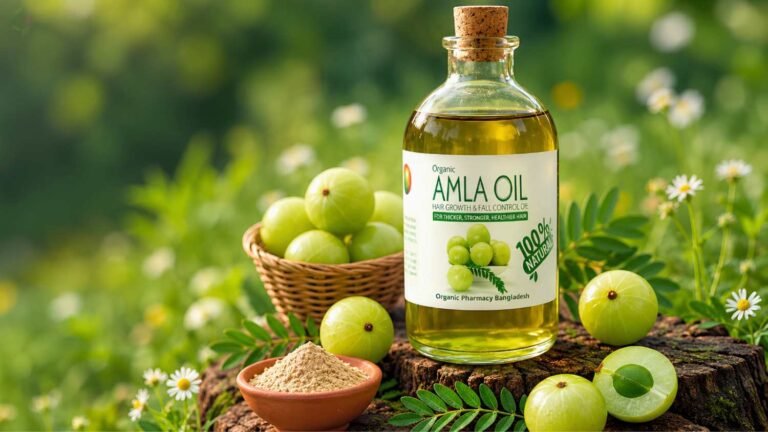
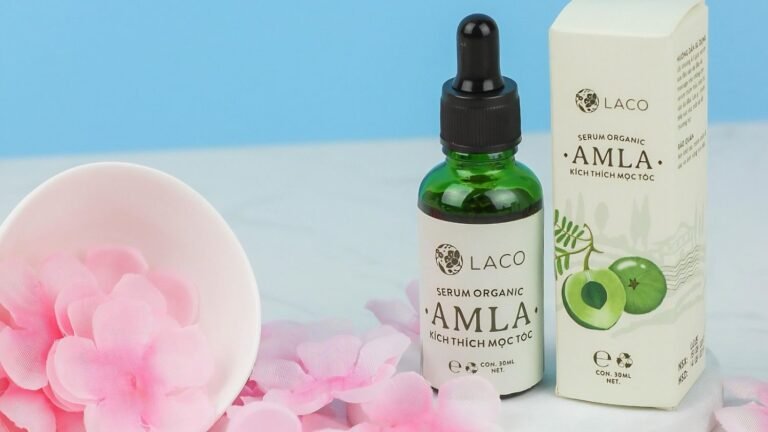
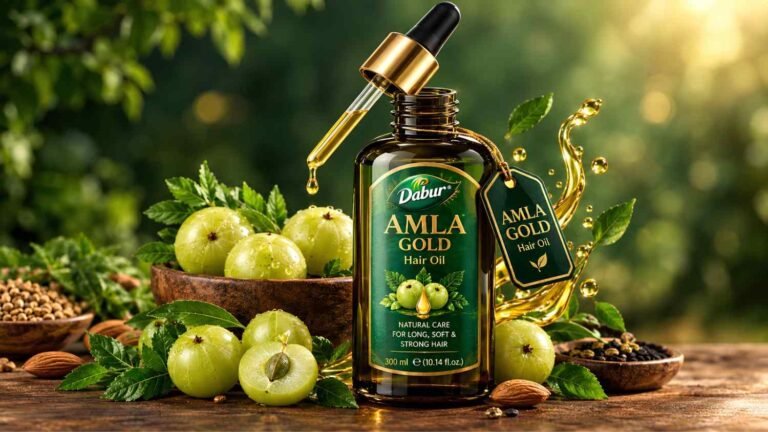
Dabur Amla Oil isn’t just another product on the shelf, it’s practically a category of its own in Indian hair care. But with so many variants sitting side by side, classic, gold, jasmine, and more, most people don’t actually know how the brand got here or which bottle is genuinely right for them.
This guide takes a different approach: the story behind Dabur Amla Oil, how it’s actually made, and a straightforward comparison to help you choose between variants without guessing.
The Story Behind Dabur Amla Oil
Dabur was founded in 1884 by Dr. S.K. Burman, a doctor who initially began formulating Ayurvedic remedies to treat common health conditions of the time. What started as a small pharmacy grew, over more than a century, into one of India’s largest and most trusted consumer goods companies, still rooted in Ayurvedic principles.
Dabur Amla Hair Oil became one of the brand’s flagship products, built around amla, or Indian gooseberry, an ingredient central to Ayurvedic hair care for centuries before Dabur ever existed. Rather than inventing something new, Dabur essentially standardized and mass-produced a traditional remedy, making it accessible and affordable at a national, and eventually international, scale.
How Dabur Amla Oil Is Actually Made
Unlike small-batch, artisanal amla oils, Dabur’s production process is built for consistency and scale, while still relying on amla extract as the core active ingredient. The general process involves extracting amla’s beneficial compounds, vitamin C, gallic acid, and polyphenols, and infusing them into a stable oil base suited for mass production and long shelf life.
In terms of composition, the original formula centers on amla fruit extract blended into a light mineral or coconut oil base, without the added herbs found in variants like Gold or Jasmine. This simpler composition is part of why the original remains the most recognizable version of the product internationally.
This is part of why Dabur Amla Oil tends to be more affordable and more widely available than boutique, cold-pressed alternatives. The trade-off is that it’s formulated for broad, everyday use rather than the more concentrated, artisanal profile you’d find in small-batch organic oils.
Understanding the Different Dabur Amla Oil Variants
This is where a lot of buyers get stuck, since Dabur doesn’t just sell one amla oil, it sells several, each formulated slightly differently.
Dabur Amla Original
This is the brand’s foundational formula, straightforward amla extract in a lightweight oil base. It’s the most widely available and typically the most affordable option, making it a reasonable starting point if you’ve never used the brand before.
Dabur Amla Gold
The Gold variant is positioned as an enriched version, formulated to deliver added shine and a lighter, less greasy feel compared to the original. It tends to appeal to people who want amla’s traditional benefits without a heavier finish.
Dabur Amla Jasmine
This variant blends amla with jasmine, adding a distinct fragrance and, according to traditional use, additional calming properties for the scalp. It’s often chosen by people who want the classic amla benefits paired with a more fragrant, spa-like experience.
How to Choose the Right Dabur Amla Oil for You
Rather than guessing, it helps to match the variant to what you’re actually trying to solve.
- If you want the most affordable, no-frills option: the original formula covers the basics well and has decades of consistent use behind it.
- If a heavy, greasy feeling is what’s stopped you from using amla oil regularly: the Gold variant’s lighter finish is generally the better fit.
- If fragrance and a more indulgent routine matter to you: the Jasmine variant adds that without straying from amla’s core benefits.
None of the variants are dramatically different in their core effectiveness, since amla remains the central active ingredient across the range. The differences mostly come down to texture, fragrance, and how the oil feels during everyday use.
Why Dabur Remains a Trusted Name in Amla Oil
Part of Dabur’s staying power comes from consistency. Millions of households have used the same core formula for generations, which builds a kind of trust that newer, unproven brands simply haven’t had time to earn.
That said, trust in a brand name doesn’t automatically mean it’s the objectively “best” amla oil available, particularly compared to smaller, cold-pressed, or certified organic options that prioritize purity over affordability and shelf stability. Dabur’s real strength lies in accessibility, consistency, and a long track record, rather than being positioned as a premium, artisanal product.
Frequently Asked Questions About Dabur Amla Oil
Is Dabur Amla Oil good for hair? Yes, for most people. Its amla-based formula is well suited for everyday scalp nourishment, added shine, and reducing breakage, though it works best as part of a consistent routine rather than a one-time fix.
Does Dabur Amla Oil help with hair growth? Indirectly, yes. Like most amla oils, it doesn’t grow hair in a dramatic sense, but it supports scalp health and reduces breakage, which helps existing hair retain length over time.
What are the ingredients in Dabur Amla Oil? The core ingredient across the range is amla (Indian gooseberry) extract, blended into a mineral or coconut oil base. Variants like Gold and Jasmine add further ingredients, such as jasmine extract, on top of this base formula.
How do you use Dabur Amla Oil? Apply a small amount to your scalp, massage it in for a few minutes to boost circulation, then work the remainder through the length of your hair. Leave it on for at least 30 minutes, or overnight, before washing it out with a mild shampoo.
Where can I buy Dabur Amla Oil, and how much does it cost? It’s widely available at pharmacies, supermarkets, and major online marketplaces, with pricing varying by bottle size and region. It’s generally positioned as one of the more affordable amla oils on the market compared to boutique or cold-pressed alternatives.
Is Dabur Amla Oil available in Pakistan? Yes, it’s commonly found through pharmacies, general stores, and online marketplaces across Pakistan, alongside other South Asian countries where Dabur has an established retail presence.
Can men use Dabur Amla Oil too? Yes, the formula isn’t gendered in any way. Amla’s benefits, scalp nourishment, shine, and reduced breakage, apply the same regardless of who’s using it.
Final Thoughts
Dabur Amla Oil earns its place in hair care not through flashy marketing, but through over a century of brand history rooted in genuine Ayurvedic practice, scaled into a product millions of people trust and reach for regularly. Once you understand the story behind the brand and how each variant actually differs, choosing between original, gold, or jasmine becomes a lot less confusing, and a lot more about what your hair specifically needs.
This article is for general informational purposes and isn’t a substitute for professional dermatological advice. If you have a scalp condition or known allergies, patch-test any new oil before regular use.