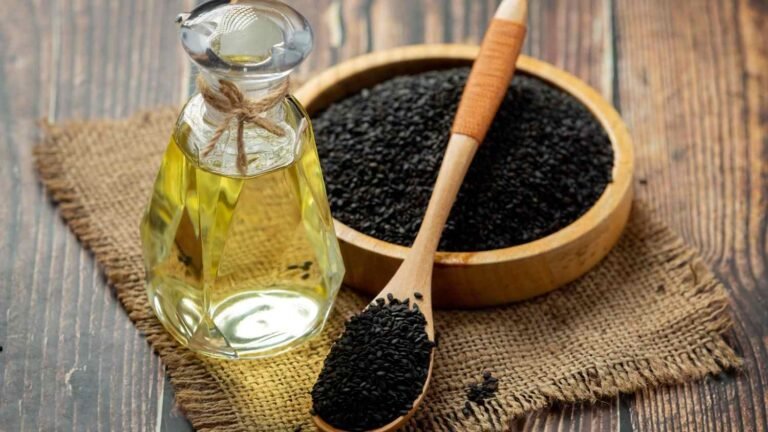
Black cumin seed oil for horses has become a popular feed additive, especially among owners dealing with dull coats, itchy skin or sensitive digestion. The oil comes from Nigella sativa, the same plant behind human black seed oil. But horses are not small people, and research in this area is thin. This guide covers what owners use it for, what is known and how to stay safe.
What Is Black Cumin Seed Oil?
Black cumin seed oil is pressed from the small black seeds of Nigella sativa. Its best-known compound is thymoquinone, which has been studied in the lab for anti-inflammatory and antioxidant activity. It is also sold as black seed oil, and you can see how it is used for people in our guide on black seed oil.
Why Horse Owners Use Black Cumin Seed Oil
- Coat and skin: Owners often add it hoping for a shinier coat and calmer skin, particularly in horses prone to summer itching.
- Allergies and respiratory support: Some use it for horses with seasonal sensitivities. The evidence in horses is limited.
- Digestive comfort: It has a long traditional use for digestion.
- General conditioning: Oils add calories and fatty acids to a feed ration.
Most of these claims rest on traditional use, owner reports and studies in other species, not strong trials in horses. Be wary of any product promising to cure sweet itch, laminitis or insulin problems.
How to Feed Black Cumin Seed Oil to a Horse
Use a product made for horses and follow the label dose, because the right amount depends on your horse’s size, diet and health. Do not guess based on human doses. In general:
- Start with a small amount and build up slowly over a week or two.
- Mix it into a damp feed so the horse accepts it.
- Watch for loose droppings, reduced appetite or skin changes.
- Stop and call your vet if you see colic signs.
Is Black Cumin Seed Oil Safe for Horses?
Many horses tolerate it well, but that is not a guarantee. Extra oil adds calories, which matters for horses with metabolic syndrome, insulin resistance or obesity. Ask your vet before adding any oil to a horse with those conditions. Be careful with pregnant or lactating mares, as there is not enough safety data. Also check the rules of your competition body, because some herbal supplements can raise issues with prohibited-substance regulations.
Choosing a Good Product
- Look for cold-pressed oil in a dark bottle.
- Pick products with a clear ingredient list and batch information.
- Avoid oils with added flavours or fillers.
- Store in a cool place and discard if the smell turns sharp or bitter, much like in our guide on flaxseed oil going bad.
Black Cumin Seed Oil vs Other Oils for Horses
Common feed oils include flaxseed, soybean and rice bran oil, which are chosen mostly for calories and omega fatty acids. Black cumin is usually used in much smaller amounts as a supplement. Ask your vet or an equine nutritionist whether your horse needs it at all.
Frequently Asked Questions
Can I use human black seed oil for my horse?
It is the same plant, but the dosing and quality are not set for horses. A horse-specific product with a label is safer.
Can I apply it to my horse’s skin?
Some owners use it on small dry patches, but check with your vet first because skin problems have many causes.
Will it fix sweet itch?
No. Sweet itch is an allergic reaction to midges, and management with fly protection is more important.
The Bottom Line
Black cumin seed oil for horses can be a reasonable supplement for coat and skin support, but the research is limited. Use a quality horse product, introduce it gradually and keep your vet in the loop.