Dabur Amla Hair Oil: Benefits, Uses, and Why It’s a Hair Care Staple
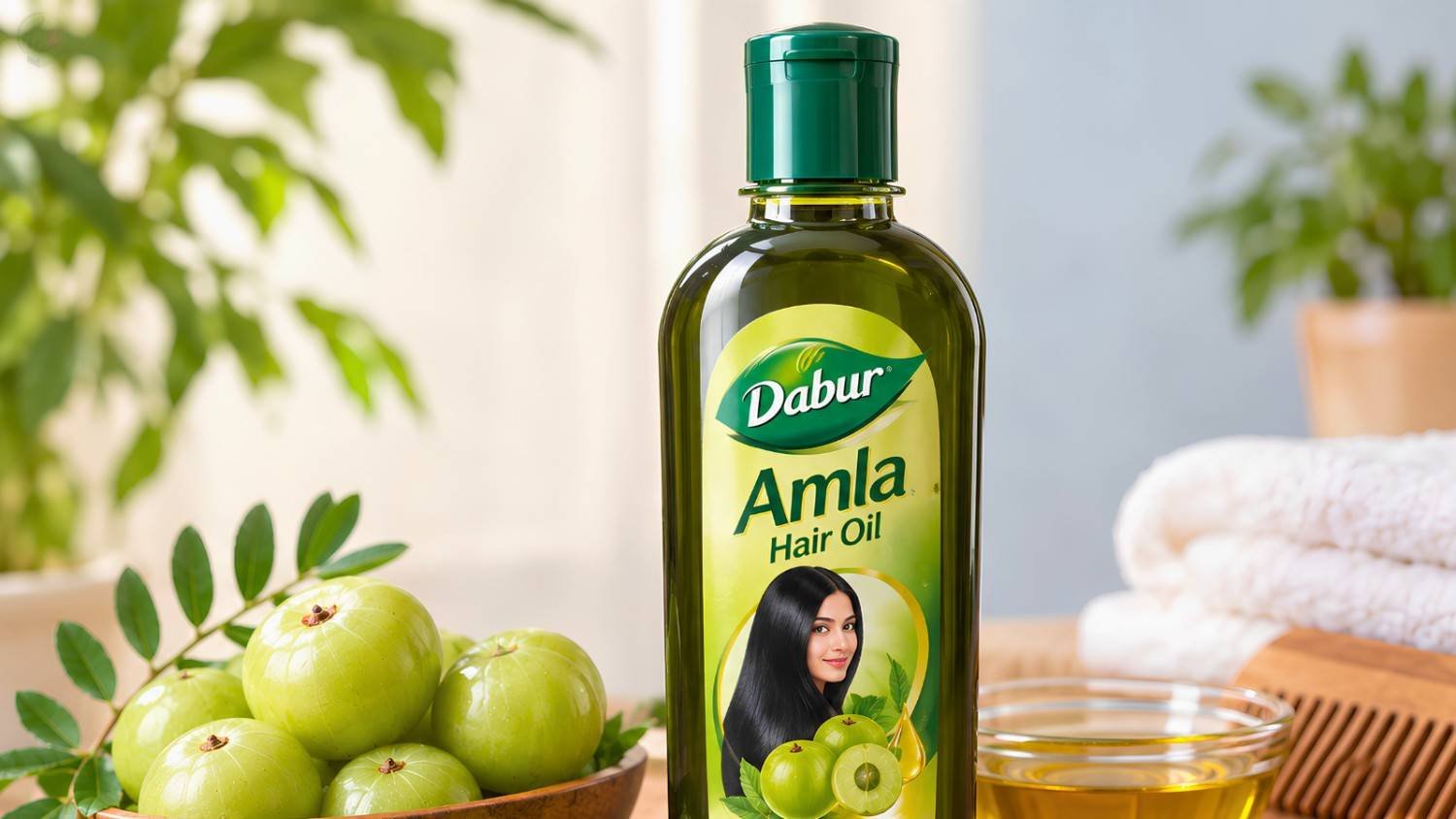
If you’ve ever walked down the hair care aisle or scrolled through hair growth tips online, chances are you’ve come across Dabur Amla Hair Oil.
It’s one of the most recognized names in Indian hair oil, and for good reason. Made from amla, also known as Indian gooseberry, this oil has been a part of hair care routines for generations.
In this post, we’ll break down what amla oil actually is, its benefits, how to use it, and what to look for when buying it.
What Is Amla Oil?
Amla oil is made by infusing amla fruit (Indian gooseberry) into a carrier oil, usually coconut or mineral oil.
Amla itself is packed with vitamin C, antioxidants, and other nutrients that are traditionally believed to support scalp and hair health.
When people search for “gooseberry oil for hair growth” or ask “what is amla oil,” they’re usually looking for a natural option to strengthen hair and support a healthy scalp.
Dabur, one of India’s oldest and most trusted wellness brands, turned this traditional remedy into a mass-market product with Dabur Amla Hair Oil, and later expanded the line with variants like Dabur Amla Gold Hair Oil and jasmine-infused versions.
What is amla oil good for?
Amla oil supports stronger hair growth, healthier roots, and a balanced scalp. It reduces hair fall, boosts natural shine, and may slow early greying. Its deep hydrating properties also make it great for dry or damaged hair.
The Nutritional Breakdown of dabur Amla oil
Amla’s reputation as a superfood for hair comes down to its dense nutritional profile, and when infused into a base like sesame seed oil, that nutrition gets delivered straight to the scalp and strands where it matters most.
Vitamin C supports collagen production for stronger roots and protects against oxidative stress and free radical damage.
Natural antioxidants promote a healthier scalp environment and help slow down premature greying and thinning.
Essential fatty acids from the sesame oil base deeply moisturize and soften hair, while soothing dry, itchy, or inflamed scalps.
Vitamin E improves scalp circulation, supporting healthier growth and added shine.
Anti-inflammatory and antimicrobial properties help keep the scalp balanced and clear of buildup, reducing dandruff and irritation.
Together, this amla and sesame oil combination delivers a deeply nourishing formula built to support stronger, healthier, and visibly thicker hair.
Signs Your Hair Needs Amla Oil
Unsure whether amla oil for hair is right for you? Your hair and scalp often send clear signals when they’re missing key nutrients or need a reset. Packed with antioxidants, vitamins, and fatty acids, amla oil can help tackle a wide range of common hair concerns.
Here are the key signs your hair could benefit from amla oil:
Excessive Hair Fall or Thinning
Shedding more than usual or noticing less volume? Your hair roots likely need strengthening and deep nourishment.
Dry, Itchy, or Flaky Scalp
Amla oil soothes inflammation, balances scalp oils, and helps reduce dandruff and irritation.
Dull or Lifeless Hair
Lack of shine and softness usually signals a loss of moisture and antioxidants — both of which amla oil restores.
Split Ends and Breakage
Weak strands that snap easily can benefit from the conditioning and strengthening power of amla-infused oil.
Premature Greying
Spotting early greys? Amla’s high vitamin C and antioxidant content help protect your natural pigment over time.
Slow Hair Growth
Amla oil boosts scalp circulation and nourishment, naturally speeding up the hair growth cycle.
Scalp Build-Up or Product Residue
Its natural cleansing properties unclog pores and refresh the scalp for healthier hair growth.
If you’re dealing with any of these issues, adding amla oil for hair to your routine is a simple, natural way to restore balance, boost growth, and strengthen your hair from root to tip.
Benefits of dabur Amla Hair Oil
People use dabur amla hair oil for a range of reasons. Here are some of the most commonly cited benefits:
1. Supports Hair Growth
One of the top reasons people search for dabur amla hair oil is hair growth. The nutrients in amla, particularly vitamin C and antioxidants, are believed to nourish hair follicles and support a healthier growth cycle.
While it’s not a miracle cure, many users report thicker-feeling hair with consistent use.
2. May Help with Grey Hair
Dabur Amla hair oil for grey hair is a common search, and for good reason. In traditional Ayurvedic practice, amla is believed to help maintain natural hair pigment for longer.
Results vary from person to person, but this is one of the reasons amla-based oils remain popular among people looking for natural remedies.
3. Nourishes and Conditions
Amla oil helps condition dry, brittle hair, leaving it feeling softer and more manageable. This is especially helpful for people dealing with frizz or dryness.
4. Strengthens Hair and Reduces Hair Fall
Many people turn to amla oil for hair fall concerns. The oil is thought to strengthen hair strands from root to tip, which may reduce breakage over time.
5. Adds Shine
Regular use of amla oil can leave hair looking glossier and healthier, which is why it’s often included in overall hair care routines, not just growth-focused ones.
6. Soothes and Balances the Scalp
Beyond strands, amla oil supports scalp health too — helping calm itchiness, flakiness, and buildup while unclogging pores for a cleaner, healthier scalp environment.
7. Deeply Hydrates and Penetrates
Unlike oils that only sit on the surface, amla oil absorbs into both hair and scalp, delivering intense hydration and nutrients right down to the root.
8. Pure, Clean Formula
Amla oil is typically cold-pressed and organic, free from mineral oil, artificial fragrances, and unnecessary additives — making it a gentle, nourishing choice for sensitive scalps.
9. Works for Every Hair Type
From straight to coily, low-porosity to high-porosity, amla oil adapts well across hair types and textures, making it a versatile addition to almost any hair care routine.
How to Use Dabur Amla Hair Oil for Best Results
Knowing how to use dabur amla hair oil properly makes a real difference. Here’s a simple routine:
- Section your hair so the oil can reach the scalp easily.
- Warm the oil slightly (optional, but it helps with absorption).
- Massage into the scalp using your fingertips in circular motions for 5–10 minutes. This boosts blood circulation.
- Apply the remaining oil through the length of your hair, focusing on dry ends.
- Leave it in for at least 30 minutes, or overnight for deeper conditioning.
- Wash out with a mild shampoo.
For best results, most people recommend using amla oil 2–3 times a week.
Dabur Amla Hair Oil vs Other Amla Oils
There are many amla oil products on the market, from pure, cold-pressed amla oil to blended options like Shea Moisture’s amla oil bond repair line or amla-rosemary combinations. Here’s what sets Dabur Amla Hair Oil apart:
- Long-standing brand trust: Dabur has been producing amla-based hair oil for decades, making it one of the most established names in the category.
- Affordable and widely available: Compared to niche organic or cold-pressed amla oils, Dabur’s version is budget-friendly and easy to find, whether you’re shopping online or looking for amla oil near you at a local store.
- Multiple variants: From the classic formula to Dabur Amla Gold Hair Oil, there are options depending on your hair type and goals.
If you’re looking for a more concentrated, pure amla oil experience, cold-pressed or organic amla oils may suit you better, though they tend to come at a higher price point.
Ingredients to Know
Dabur Amla Hair Oil typically contains amla extract blended with a base oil, along with other nourishing ingredients depending on the variant.
Amla is the richest source of Vitamin C also Enriched with Omega 3 and Antioxidants.
Naturally Strengthens hair from root to tip.
If you have sensitive skin or scalp conditions, it’s always a good idea to check the full ingredient list before use, and do a patch test if you’re using it for the first time.
Side effects of Dabur amla Hair oil
Dabur Amla hair oil is generally safe, but it can cause mild scalp irritation, itching, or an allergic reaction in people with sensitive skin, so a patch test is always worth doing first. Overuse can also lead to clogged pores near the hairline or product buildup, especially on low porosity hair.
People with a known gooseberry allergy, active scalp infections, or open wounds should avoid it, and those on blood-thinning or diabetes medication should be cautious if consuming it internally rather than just applying it to hair.
Is Dabur Amla Oil Good for Your Hair Type?
Dabur Amla oil is generally considered suitable for most hair types, including:
- Dry and frizzy hair – for added moisture and shine
- Thinning hair – to support strand strength
- Low porosity hair – though it’s worth applying in smaller amounts, since heavier oils can sit on the hair shaft rather than absorb
- Grey or prematurely greying hair – as a natural, traditional remedy
As with any hair product, results depend on your individual hair and scalp, so it’s worth giving it a few weeks of consistent use before judging the results.
Where to Buy Amla Hair Oil ?
Dabur Amla Hair Oil is widely available at pharmacies, supermarkets, and online marketplaces. When buying, check for:
- Sealed packaging to avoid counterfeit products
- The correct variant for your hair goals (classic, gold, or jasmine)
- Reviews from other buyers, especially if you’re purchasing online
Final Thoughts
Amla hair oil has stood the test of time as a go-to natural remedy for hair growth, shine, and overall scalp health.
Dabur Amla Hair Oil, in particular, has built its reputation on being an accessible, effective option rooted in traditional Ayurvedic ingredients.
Whether you’re dealing with hair fall, dryness, or just want to add a healthy oil to your routine, amla oil is worth trying — just remember that consistency is key to seeing real results.
FAQs about Dabur amla oil
Can I put it oil on my hair every day?
Yes, small daily amounts are safe, especially on the scalp or hair ends. That said, 2–3 times a week is usually enough to see results without buildup. Daily use works best as a light leave-in for dry or high-porosity hair.
Is it safe for color-treated hair?
Yes, amla oil is gentle enough for color-treated hair. It adds back moisture and shine lost from chemical treatments and supports overall scalp and strand health, which can help your color last longer.
Who should use it?
Amla oil works for every hair type and texture, from straight to curly. It’s especially helpful for anyone facing hair thinning, slow growth, dryness, or an irritated, flaky scalp.
What makes it different from other oils?
Amla oil stands out for its high vitamin C and antioxidant content, which strengthens hair right at the root. It also boosts collagen production and brings Ayurvedic benefits that keep the scalp’s natural oil balance in check.
How can you tell if amla oil is real?
Genuine dabur amla oil is cold-pressed, organic, and made with simple ingredients — just amla and a natural carrier oil, with no mineral oil or added fragrance. Always buy from a trusted source like HennaSooq.com.
Does it make hair black?
Dabur amla oil won’t dye your hair, but its antioxidants may help preserve natural pigment and delay premature greying. With regular use, many people notice their hair looking richer and darker over time.
Can I leave it in overnight?
Yes, an overnight treatment is one of the best ways to deeply nourish hair. Just massage it in, cover with a cap or scarf, and rinse out in the morning — perfect for dry or brittle strands.
Can Dabur Amla oil stop hair fall?
Yes, it helps by strengthening hair roots, improving scalp circulation, and delivering key nutrients. Pairing it with regular scalp massage makes it even more effective.
Can I use Dabur amla oil after shampooing?
Yes, apply a small amount to damp hair as a leave-in, focusing on the mid-lengths and ends. This helps control frizz and adds extra shine and softness.

2 Comments