
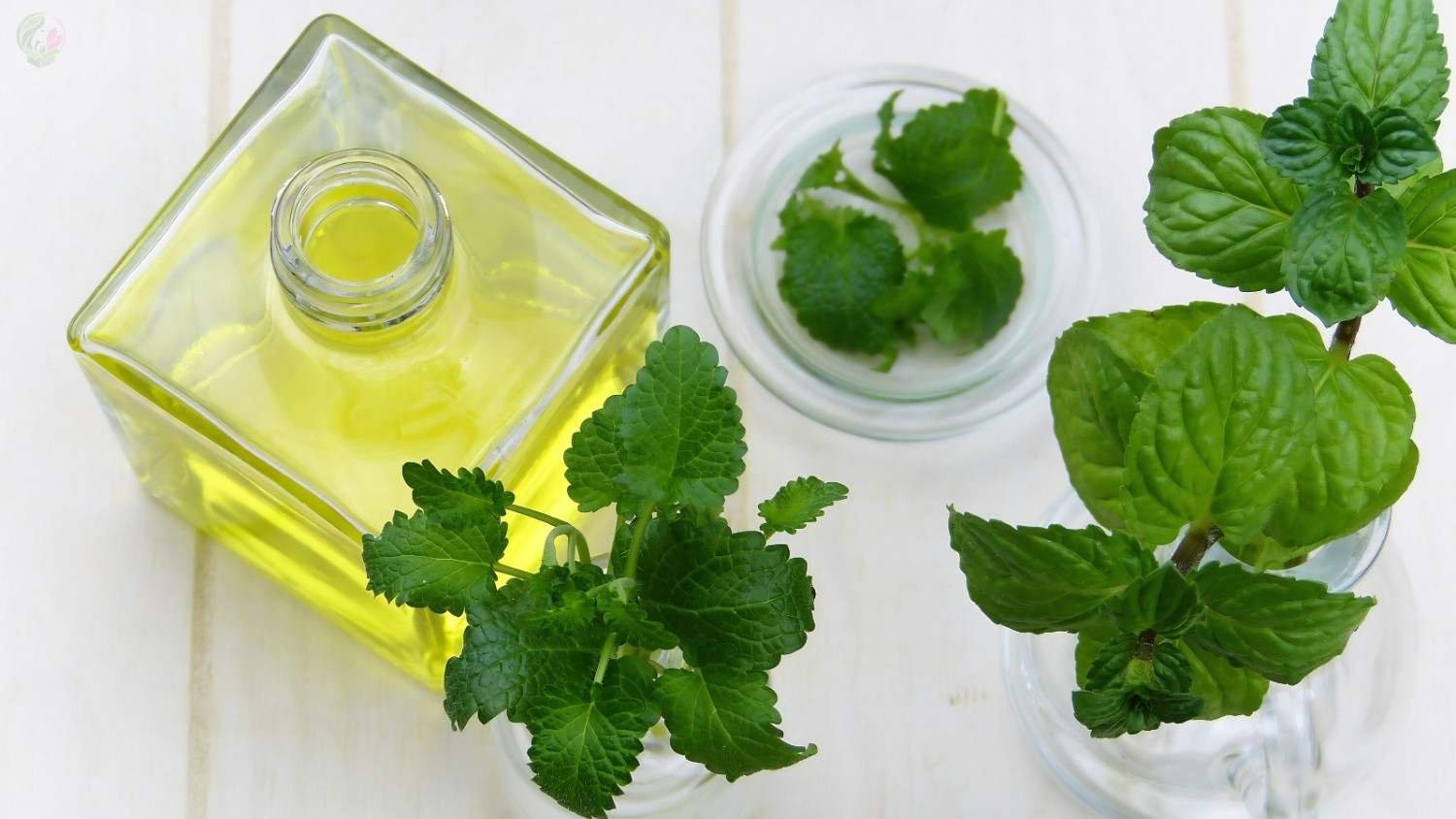
From ancient herbal medicine to modern aromatherapy clinics, the benefits of peppermint oil have earned it a prominent place in natural wellness. Extracted from the Mentha × piperita plant, peppermint essential oil is packed with menthol, menthone, and other bioactive compounds that give it a remarkable range of therapeutic applications.
Whether you are looking to soothe a troubled stomach, ease a pounding headache, or refresh tired skin, understanding the evidence behind this oil helps you use it wisely.
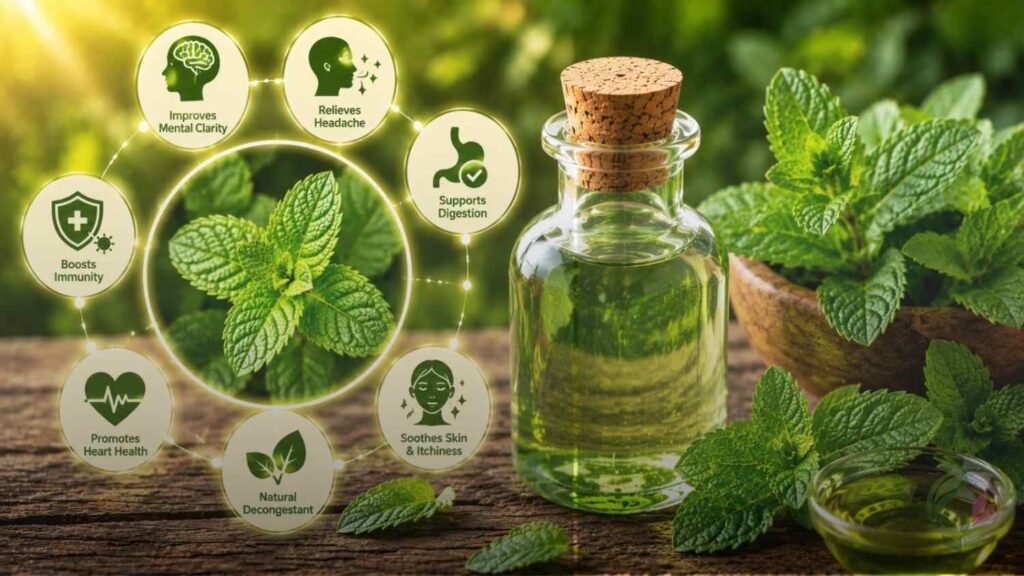
What Is Peppermint Oil?
Peppermint is an aromatic herb in the mint family. It’s a mint that’s cross between watermint and spearmint.
Peppermint essential oil can be extracted from the leaves of peppermint leaves and is used for variety of purposes. It has a very sharp odor which is refreshing and taste is also simmilier.
Peppermint oil should not be confused with peppermint extract, which is a diluted food-grade flavouring made with alcohol and far less potent. Pure essential oil is highly concentrated — a single drop contains the essence of many leaves — and must always be diluted before applying to skin.
Peppermint Oil uses
Peppermint oil is used for many purposes, for example it can be used as a:
- a medicine especially for irritable bowel syndrome, nausea, digestive system, common cold and for headache.
- a medicine for relief from itching and muscle pain and headache.
- as a flavoring product in foods and for mouthwash.
- a scent added to soap and cosmetics.
- a medicine for heart burn.
- as a morning sickness remedy.
Also used as a medicine for :
- Cramps of the upper IG track.
- Diarrhea
- Gas
- Cold
- Coughs
- Inflammation of the mouth
- sinus and respiratory infections
- Menstrual Problem
Peppermint oil for skin
Products containing peppermint oil are used for skin but there is no evidence that they are beneficial for skin. These are the core purposes oil is used for:
- Headache
- Muscle pain
- Nerve pain
- Toothcare
- Inflammation of the mouth
- Joint condition
- Itchiness
- Allergic Rush
Peppermint Oil for Bugs
The oil is also used to repel the flies, ants, cockroaches, and spiders. The oil has a strong scent insects don’t like them. If they sense it they avoided it, remember the oil does not kill them just repels them.
If you want to make peppermint oil spray so just fill a bottle with the water, drop 10-15 drops of peppermint oil. Close the bottle, shake it, you are ready to use your peppermint oil spray for bugs.
Peppermint oil for Mice
Animals are sniffers, there are animals we love to be around them and there are an
Benefits of Peppermint Oil
Research has investigated peppermint oil across a wide range of health applications. Here is a structured look at the most studied and widely supported benefits.
For IBS and Digestive Conditions
One of the most rigorously researched applications is irritable bowel syndrome (IBS). A meta-analysis published in the Journal of Clinical Gastroenterology found that enteric-coated peppermint oil capsules significantly reduced overall IBS symptoms compared with placebo, with the most notable improvements in abdominal pain and bloating. The oil works by relaxing smooth muscle in the gut wall through calcium channel antagonism, reducing the painful spasms that characterise IBS.
Beyond IBS, peppermint oil has shown promise in relieving symptoms of functional dyspepsia — the persistent stomach discomfort not explained by structural disease. A combination product pairing peppermint oil with caraway oil has been clinically tested and found effective for easing post-meal fullness and upper abdominal pain.
Important Note: Enteric-coated capsules are designed to bypass the stomach and release in the small intestine. Taking non-coated capsules orally can trigger heartburn and oesophageal irritation. Always use pharmaceutical-grade enteric-coated preparations for internal use.
For Nausea
Aromatherapy using peppermint oil has been evaluated as a complementary intervention for nausea in multiple clinical settings. Studies involving post-operative patients have shown that inhaling peppermint oil vapour reduced the severity of nausea and the need for antiemetic medications. In cancer care settings, peppermint aromatherapy has been used alongside conventional anti-nausea drugs with supportive results. The mechanism appears to involve menthol’s interaction with cold-sensitive receptors (TRPM8) in the nasal mucosa, modulating the body’s nausea response pathways.
For Pain and Headaches
A landmark double-blind crossover study found that a 10% peppermint oil solution applied to the forehead and temples was as effective as 1,000 mg of paracetamol in relieving tension-type headaches. The cooling sensation of menthol suppresses pain signals while increasing skin blood flow and reducing muscle tension in the scalp. For muscle and joint pain, diluted peppermint oil used in massage blends provides a localised cooling-warming sensation that interrupts the pain cycle, making it popular among athletes and physiotherapists.
For Skin and Hair
When properly diluted, peppermint oil offers meaningful benefits for skin and scalp. Its antimicrobial properties make it a valued ingredient in formulations targeting acne-prone skin, where it can help reduce bacterial load on the surface. For the scalp, a 2014 clinical study comparing peppermint oil to minoxidil found that a 3% peppermint oil solution produced a statistically significant increase in hair count, hair thickness, and follicle depth after just four weeks. Researchers attributed this to peppermint oil’s ability to increase dermal thickness and promote circulation at the follicular level.
Against Bacteria and Yeast
Laboratory research consistently confirms peppermint oil’s antimicrobial credentials. It has demonstrated inhibitory activity against common pathogens including Staphylococcus aureus, Escherichia coli, and multiple Candida species. While in-vitro results do not always translate directly to clinical efficacy, they support the oil’s traditional use as a natural cleanser and its inclusion in oral health products such as mouthwashes and toothpastes — where it also provides long-lasting breath freshness.
About Safety and Side Effects
Despite its natural origin, peppermint oil is a highly concentrated substance and deserves careful handling. Most adverse reactions arise from undiluted topical application, excessive internal use, or use in vulnerable populations.
| Concern | Details |
| Skin irritation | Undiluted application can cause contact dermatitis, redness, and burning. Always dilute to 1–2% for the face and 3–5% for the body. |
| Heartburn | Non-enteric-coated oral preparations may relax the lower oesophageal sphincter, worsening acid reflux. |
| Infants and young children | Menthol can cause respiratory distress in children under 2. Keep peppermint oil away from their faces and airways entirely. |
| Pregnancy | Insufficient safety data exists for internal use during pregnancy. Consult a healthcare provider before use. |
| Pets | Cats and small dogs are particularly sensitive. Peppermint oil diffusion in enclosed spaces can be toxic to cats. |
| GERD / hiatus hernia | Peppermint oil may relax the oesophageal sphincter and exacerbate reflux in those with GERD. |
Possible Drug Interactions With Peppermint Oil
Peppermint oil can interact with certain medications, particularly those metabolised by the liver’s cytochrome P450 enzyme system. Studies suggest menthol may inhibit CYP3A4 and CYP2C19 enzymes, potentially raising blood levels of drugs such as cyclosporine, some statins, calcium channel blockers, and certain anticoagulants. If you take prescription medications regularly, discuss peppermint oil supplementation with your doctor or pharmacist before starting. Topical and aromatic use at standard dilutions carries a much lower risk of systemic interaction than oral supplementation.
Who Shouldn’t Use Peppermint Oil?
Certain groups should exercise extra caution or avoid peppermint oil entirely:
- Infants and toddlers under the age of 2 — never apply near the face or airways.
- People with severe GERD or hiatus hernia who are advised against any peppermint use.
- Individuals with a known allergy to menthol, peppermint, or related plants in the Lamiaceae family.
- People taking narrow therapeutic index drugs (cyclosporine, warfarin, certain statins) without first consulting a pharmacist.
- Pet owners with cats — diffuse only in well-ventilated spaces and monitor animals.
The Takeaway
The benefits of peppermint oil span digestion, pain relief, skin care, mental clarity, and household hygiene — but maximising those benefits depends on using the right form, the right dilution, and the right method for your specific goal. When in doubt, consult a qualified aromatherapist or healthcare professional, especially for internal use or use around children and pets.
Peppermint Oil FAQs
Can peppermint oil be used every day?
Topical and aromatic use at standard dilutions can be part of a daily routine for most healthy adults. Internal supplementation should follow product directions and is typically used short-term for specific conditions.
Is peppermint oil suitable for sensitive skin?
People with sensitive skin should use a very low dilution (0.5–1%) and always conduct a patch test first. Spearmint oil is sometimes recommended as a gentler alternative for those who react to menthol.
Can peppermint oil help with stress or low energy?
Diffusing peppermint oil has been associated with improved alertness, reduced mental fatigue, and enhanced mood in several small studies. While not a treatment for clinical anxiety, it can be a helpful supportive tool in a broader self-care routine.
What is the best way to dilute peppermint oil for skin use?
For general body use, aim for a 2–3% dilution (4–6 drops per 10 ml of carrier oil). For the face, reduce to 0.5–1%. Jojoba and sweet almond oil are popular carriers that absorb well without clogging pores.
What does peppermint oil blend well with?
Peppermint blends beautifully with eucalyptus and tea tree for respiratory blends, with lavender for a calming yet clarifying effect, with rosemary for scalp treatments, and with citrus oils for uplifting diffuser blends.


One Comment