
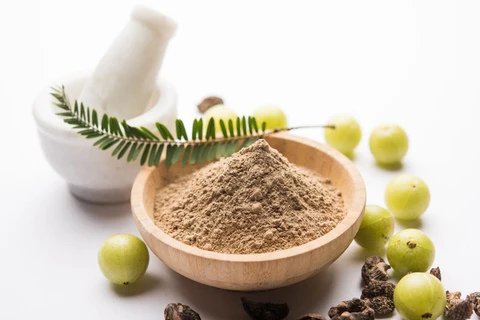
If you’ve spent any time researching natural remedies for hair, skin, or immunity, you’ve probably run into amla powder more than once.
It shows up in hair masks, morning wellness routines, and Ayurvedic recipes that have been passed down for generations, and for good reason.
What Is Amla Powder, and Why Is Everyone Suddenly Talking About It?
Amla powder is simply dried Indian gooseberry, ground into a fine powder. The fruit itself, known scientifically as Phyllanthus emblica or Emblica officinalis, is small, green, and intensely sour, sour enough that most people wouldn’t enjoy eating it raw.

Drying and grinding it into powder solves that problem. It makes the fruit’s nutrients easier to store, mix, and use, whether you’re drinking it, applying it to your scalp, or adding it to a face mask.
This isn’t a new trend, either. Ayurvedic medicine has used amla in some form for well over a thousand years, long before the word “superfood” existed.
The Nutrition Packed Into Every Spoonful of Amla Powder
What makes amla powder worth paying attention to isn’t a single ingredient, it’s the combination. The most talked-about component is vitamin C, and amla’s concentration is genuinely unusual.
Some nutrition sources cite fresh amla containing several times more vitamin C than an equivalent amount of oranges, and research from India’s National Institute of Nutrition has estimated concentrations of roughly 600mg per 100 grams of fresh fruit, dramatically higher than most citrus.
What’s more interesting is how that vitamin C behaves. Because it’s naturally bound with plant tannins, it tends to be more stable and less likely to break down quickly compared to synthetic vitamin C or the vitamin C in many fruits.
Amla powder also contains polyphenols, plant compounds known for antioxidant activity, along with gallic acid, a compound frequently mentioned in scalp and skin research.
Some studies have measured amla’s antioxidant capacity using the ORAC scale (Oxygen Radical Absorbance Capacity), placing it among the highest of any fruit tested, a reflection of just how effectively it may help neutralize oxidative stress in the body.
On top of that, amla powder contains smaller but meaningful amounts of iron, calcium, vitamin A, and B-complex vitamins, rounding out a nutrient profile that touches immunity, skin, digestion, and more.
Amla Powder Benefits: What It Actually Does, Realistically
It’s worth setting expectations early: amla powder isn’t an overnight fix for anything. What it offers instead is steady, cumulative support across several areas of health, which is likely why it has remained a staple in Ayurvedic care for so long rather than fading as a passing trend.
Supports Hair Health and Scalp Balance
This is probably the single most common reason people search for amla powder in the first place. Traditionally, it’s used to strengthen hair from the roots, calm an oily or irritated scalp, and support a healthier growth environment over time.
Gallic acid, one of amla’s key compounds, has been studied for its role in reducing pigmentation-related skin changes and supporting collagen integrity, which is part of why it’s also linked to slowing premature greying when used consistently.
Encourages Clearer, More Even-Looking Skin
Vitamin C plays a direct role in collagen production, which helps maintain skin structure and elasticity.
Regular use of amla, whether consumed or applied topically, is associated with gradual improvements in skin tone and texture, rather than a dramatic, immediate glow.
Supports Digestion and Gut Comfort
In Ayurvedic tradition, digestion is considered the root of overall health, and amla is used specifically to support it. Its natural fiber content helps regulate bowel movements, while its cooling properties are traditionally used to soothe excess acidity or digestive irritation.
Strengthens Immune Function
Vitamin C plays a well-established role in supporting white blood cell production and function, both of which are central to a healthy immune response. This is part of why amla has traditionally been used more heavily during seasonal transitions, when the immune system faces added strain.
May Support Healthy Blood Sugar and Cholesterol Levels
Some clinical research has looked at amla extract’s effect on cholesterol and blood sugar markers, with certain studies noting improvements in LDL cholesterol and triglyceride levels among participants with type 2 diabetes when taken consistently over time.
It’s worth noting this research typically involves concentrated extract rather than powder alone, so results may vary.
Supports Heart and Circulatory Health
By helping reduce oxidative stress on blood vessels, amla is believed to support healthier circulation over time. Combined with its cholesterol-related effects, this is one of the reasons it’s increasingly discussed alongside heart-conscious eating patterns.
How to Use Amla Powder Without Wasting It
Getting the most out of amla powder comes down to how, and how consistently, you use it. Here are the most common, practical methods.
Drinking It
Mix one to two teaspoons of amla powder into a glass of lukewarm water, not hot, since heat can reduce its potency. It won’t fully dissolve, and the taste is sour and slightly bitter, so many people add honey or blend it into a smoothie. Most people take it in the morning, ideally on an empty stomach.
As a Hair Mask
Combine amla powder with yogurt or aloe vera gel to form a paste. Apply it to the scalp and hair, leave it on for roughly 15 to 20 minutes, then rinse thoroughly. Leaving it on longer doesn’t necessarily improve results, so there’s no need to overdo the timing.
As a Face Mask
Mix a small amount of amla powder with yogurt, honey, or rose water. Apply for about 10 minutes and rinse off. Because facial skin is more sensitive than scalp skin, less is generally more here.
Mixed With Other Ingredients
Amla powder pairs well with coconut oil for a nourishing hair treatment, or with henna for those looking to naturally support darker, healthier-looking hair over time.
Who Should Use Amla Powder, and Who Should Be Cautious
Amla powder tends to work especially well for people dealing with an oily scalp, mild dandruff, dull skin, or those simply looking for a natural source of vitamin C and antioxidants in their routine.
That said, a few groups should approach it carefully. People with very sensitive skin or a compromised skin barrier may want to avoid applying it directly to the face. Anyone on blood-thinning medication should check with a healthcare provider before consuming it regularly, since amla may interact with certain medications. As with any new addition to your routine, starting with a small amount is the safer approach.
How to Choose Good Quality Amla Powder
Not all amla powder on the market is created equal, and quality makes a real difference in results. A few signs to look for:
- Color: Good amla powder is typically a dull greenish-brown. Bright green can be a red flag, and overly dark brown often signals age or poor storage.
- Smell: Fresh amla powder should have a mildly sour, earthy scent. If it smells like nothing at all, it’s likely lost much of its potency.
- Sourcing: Buying from a trusted, established seller reduces the risk of adulterated or low-quality powder, which is unfortunately common in this category.
- Freshness: Amla powder doesn’t last forever. Buying smaller quantities more frequently tends to give better results than a large bag that sits unused for months.
Common Mistakes That Quietly Reduce Amla Powder’s Effectiveness
A lot of people use amla powder inconsistently and then assume it simply “doesn’t work.” A few frequent mistakes are worth avoiding: mixing it with very hot water, which reduces its potency, leaving masks on far longer than recommended in the belief that more time equals better results, and giving up after just a week or two instead of allowing several weeks of consistent use to actually show a difference.
Frequently Asked Questions About Amla Powder
Is amla powder good for daily use?
Yes, for most people, a teaspoon a day, whether consumed or used topically a few times a week, is considered a safe and traditional approach.
Does amla powder help with grey hair?
It’s traditionally used to help slow premature greying and support natural pigment, though it works gradually rather than reversing hair that’s already grey.
Can amla powder be used on the face daily?
It’s generally better used a few times a week rather than daily, since overuse can be irritating, especially for sensitive skin types.
How long does it take to see results from amla powder?
Most people notice gradual changes over several weeks to a few months of consistent use, rather than immediate results.
Final Thoughts
Amla powder isn’t a miracle ingredient, and it was never meant to be. What it offers is a well-rounded, nutrient-dense addition to a hair, skin, and wellness routine, backed by both centuries of traditional Ayurvedic use and a growing body of modern research into its vitamin C, antioxidant, and gallic acid content.
Used consistently and correctly, it rewards patience rather than urgency, which might explain exactly why it has remained relevant for well over a thousand years.
This article is for informational purposes only and isn’t a substitute for professional medical or dermatological advice. If you have a health condition or take medication regularly, consult a healthcare provider before adding amla powder to your routine.