Shea Butter vs Coconut Oil: Which Is Better for Skin and Hair?
Shea butter vs coconut oil is a question that comes up in almost every natural beauty routine. Both are inexpensive, widely available, and used on skin and hair. But they act differently, and choosing the wrong one can leave you with greasy skin or stiff, weighed-down hair. Shea butter vs coconut oil is not really a contest with one winner — it is a choice between a rich, long-lasting butter and a lighter, penetrating oil, and the right pick depends on your skin type, your hair type, and what you actually want the product to do.
What Is Shea Butter?
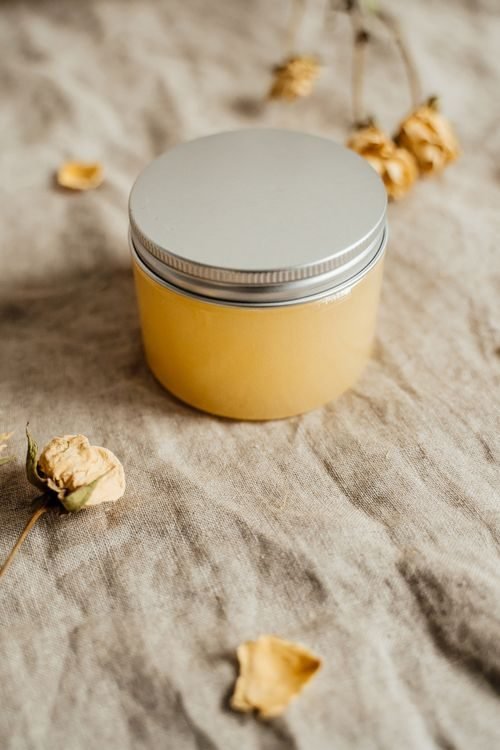
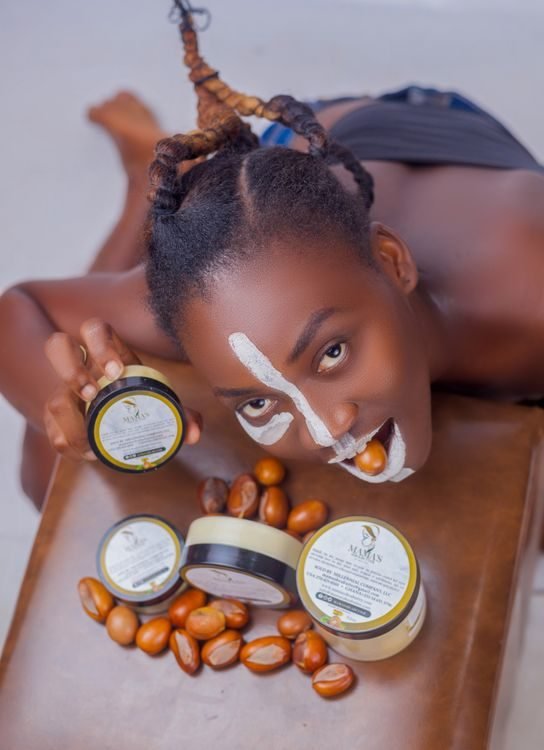
Shea butter comes from the nuts of the shea tree, grown mostly in West Africa. It is a thick, creamy butter rich in oleic and stearic acids, with vitamins A and E, sold raw (unrefined, ivory to yellow, with a mild nutty scent) or refined (white and nearly scentless). Either way, the defining trait is richness: shea sits on the skin and seals moisture in for hours, which is exactly what very dry skin wants and exactly what oily skin does not.
In the shea butter vs coconut oil debate, that richness also explains why shea is a staple in protective styling. For thick, coarse, or textured hair, a butter that coats and seals is a feature, not a flaw — it keeps moisture locked into hair that loses it easily, and it gives braids, twists, and other protective styles a soft, finished feel. On fine hair, the same richness can be too much, which is where the comparison with coconut oil starts to matter.
What Is Coconut Oil?
Coconut oil is pressed from the dried meat of coconuts. It is solid below about 24°C and melts into a clear liquid when warm, which is why a jar can look completely different in winter and summer. It is high in lauric acid, a small fatty acid that can enter the hair shaft more easily than most oils. That penetration is coconut oil’s standout trait: while shea mostly seals from the outside, coconut oil can get inside the hair, which is why it performs so well as a prewash treatment.
On skin, coconut oil melts instantly on contact and spreads easily, which makes it feel lighter than shea even though it is still an oil — an early clue in the shea butter vs coconut oil comparison that texture and skin behaviour are different things. That easy spread is part of its popularity as a body oil and a makeup remover. But lightness in texture does not mean lightness for every skin type — coconut oil is commonly rated high for pore-clogging, and that matters a lot on the face, as the skin section below explains.
Shea Butter vs Coconut Oil for Skin
For skin, the shea butter vs coconut oil comparison turns on four things: moisture, pore-clogging, soothing, and texture. On moisture, shea butter is richer and stays on the skin longer, so it suits very dry areas such as hands, elbows, heels, and winter-chapped legs. Coconut oil moisturises well too, but it absorbs faster and does not leave the same long-lasting barrier, so it suits everyday body use where you want softness without a heavy residue.
On pore-clogging, shea butter is usually rated low to moderate, while coconut oil is commonly rated high, so coconut oil is more likely to cause breakouts on the face. That single difference decides the face question for most people: if you are choosing one product for facial use, shea is generally the gentler pick, and an even lighter option is hemp seed oil, which many acne-prone people find easier to tolerate. On soothing, shea has been studied for its calming effect on irritated skin, and coconut oil also shows some benefit for dryness, so both have a role — shea for irritated, very dry patches, coconut for general dryness. On texture, shea is dense and needs warming between the palms before it spreads, while coconut oil melts instantly, which makes coconut the easier product to use quickly after a shower.
For body use in the shea butter vs coconut oil choice, either works, and the decision often comes down to season. In winter, shea’s staying power wins; in summer, coconut oil’s lighter finish is more comfortable.
Shea Butter vs Coconut Oil for Hair
For hair, the shea butter vs coconut oil story flips in an interesting way. Coconut oil is one of the few oils with research showing it can reduce protein loss when used before washing. That makes it a genuinely good prewash treatment for many hair types: work it through dry hair before shampooing, leave it for a while, and wash as normal. Shea butter does not penetrate the hair shaft the same way, but it excels at sealing moisture, which makes it great for dry, coarse, or textured hair and for protective styles where the goal is to keep moisture in for days rather than to treat the hair before a wash.
In shea butter vs coconut oil for hair, hair type decides the winner. Fine or low-porosity hair can feel weighed down by shea, and may prefer coconut oil used sparingly as a prewash, or a lighter oil altogether — if your hair feels stiff after coconut oil, try pairing it with a lighter oil like argan oil, which smooths without the same heaviness. Thick, high-porosity, or coily hair usually loves shea, since it needs the sealing power and can absorb the richness without looking greasy. If your hair is stiff after coconut oil, by the way, that stiffness is a known quirk: coconut oil solidifies in cool weather and can leave some hair types feeling crunchy rather than soft, especially if too much is used or it is not washed out properly. For a deeper look at how different oils behave on textured hair, our argan oil and black hair guide is a useful companion read.

Shea Butter vs Coconut Oil by Skin and Hair Type
Put together, the shea butter vs coconut oil choice looks like this in practice — and this is where shea butter vs coconut oil stops being abstract and becomes a decision about your own skin and hair. Very dry skin or hands: shea butter, for its staying power. Acne-prone face: neither is ideal, but shea is the safer of the two, and a lighter oil is safer still. Prewash hair treatment: coconut oil, for its penetration and protein-loss benefit. Sealing moisture on thick, coily hair: shea butter, or a mix of the two. Quick, light body oil after a shower: coconut oil, for its instant melt and easy spread. Eczema-prone or irritated patches: shea is often the first choice, though any new product on irritated skin deserves a patch test first, and persistent skin problems deserve a doctor’s opinion rather than a product swap.
Age and season shift the shea butter vs coconut oil answer too. Older, drier skin often prefers shea, while younger, oilier skin often prefers coconut oil on the body and nothing heavy on the face.
Can You Use Them Together?
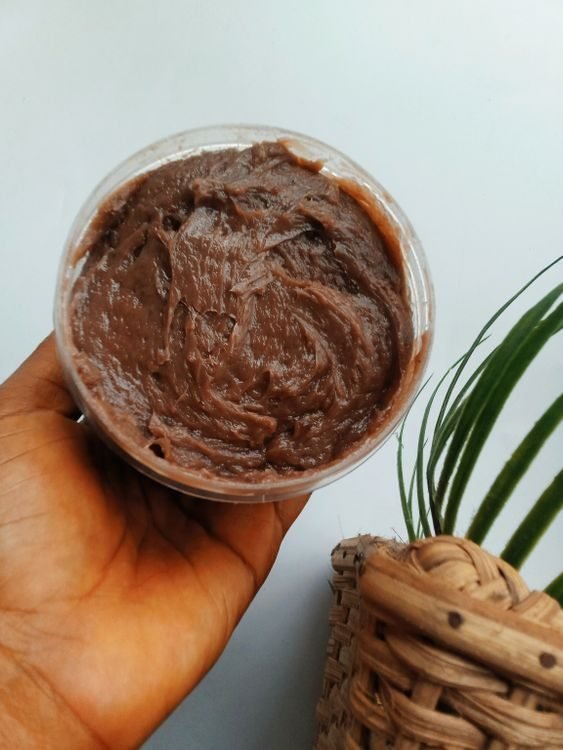
Yes, and in the shea butter vs coconut oil routine, mixing them is one of the best ways to get the strengths of both. A simple whipped mix of melted shea and coconut oil gives a body butter with a smooth, spreadable texture — the shea provides richness and staying power, while the coconut oil lightens the texture and helps it spread. Melt them together gently, never overheating, and whip the mix as it cools for a lighter, fluffier feel. A roughly equal mix is a good starting point, adjusted toward more shea for very dry skin and more coconut oil for a lighter finish.
For hair, you can add a few drops of Jamaican black castor oil for extra sealing power on the ends, or use the shea-coconut mix as a sealant after a water-based leave-in. The general principle is the same as with any hair routine: water or a water-based product provides the moisture, and the butter or oil seals it in. If you want the wider reasoning behind that order, our hair oils vs leave-in conditioner comparison explains when each product earns its place. For choosing between other butters and oils on skin, our beef tallow vs coconut oil for skin comparison covers a similar decision from a different angle.
Allergy and Safety Notes
Shea is a tree nut product, although allergic reactions are rare. Coconut can cause reactions in some people as well, and coconut allergy is taken seriously in food contexts even though skin reactions are less common. Always patch test, particularly if you are using unrefined versions, which contain more of the plant’s natural compounds than refined ones. Test on a small area such as the inside of the wrist, wait a day, and only then use the product more widely. Consider checking with your doctor if you are pregnant and unsure about a new product, as in our pregnancy oil guide.
Storage is straightforward for both in the shea butter vs coconut oil comparison, which is a quiet advantage over more delicate oils. Both are relatively stable at room temperature, away from heat and sunlight, and neither needs refrigeration. If either develops a sharp, stale smell, replace it.
Frequently Asked Questions
Which lasts longer on the shelf?
Both are relatively stable. Shea butter is usually good for up to two years, and coconut oil often lasts longer. Keep both cool, dark, and tightly closed.
Is shea butter better than coconut oil for stretch marks?
Neither is proven to prevent stretch marks, but both keep skin soft and comfortable, which is a worthwhile benefit on its own. Claims that any butter or oil erases stretch marks should be treated with scepticism.
Is one better for babies?
Ask your paediatrician. Plain, fragrance-free products are generally preferred for babies, and any new product should be patch tested first.
Can I use shea butter vs coconut oil on my face every day?
Daily facial use in the shea butter vs coconut oil comparison depends on your skin. Dry skin often tolerates a thin layer of shea daily, while oily or acne-prone skin usually does better with neither on the face, or with a lighter oil instead. Watch how your skin responds over a week or two rather than judging after one application.
The Bottom Line
In the shea butter vs coconut oil decision, shea wins for deep moisture and sensitive skin, and coconut oil wins as a quick prewash hair treatment and a light body oil. Match the product to your skin and hair, not the trend — and remember that mixing them, or switching with the season, is often smarter than picking a single winner.