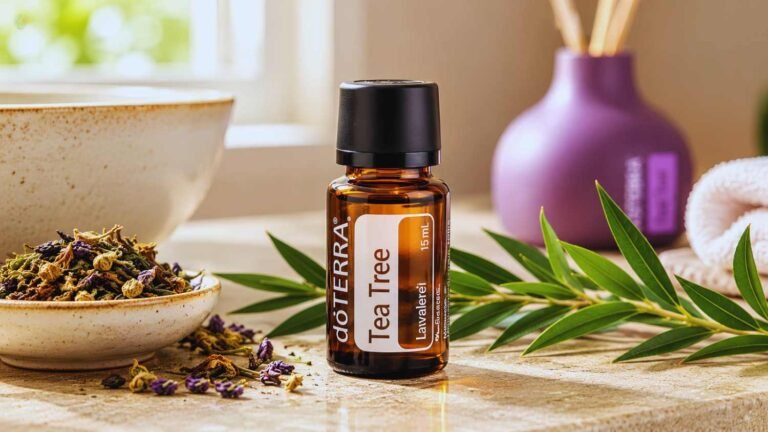
Tea Tree Oil for Acne
Acne is frustrating at any age, and the search for a treatment that works without wrecking your skin barrier leads many people to tea tree oil for acne. Unlike harsh treatments that strip the skin raw, tea tree oil for acne offers a gentler, plant-derived option with real research behind it. Clinical studies show that tea tree oil for acne can reduce inflamed breakouts, with results comparable to mild benzoyl peroxide but with less dryness and peeling for many users. That said, tea tree oil for acne is not a miracle cure, it does not suit every type of acne, and it causes real harm when used undiluted. This guide explains how tea tree oil for acne works, what the evidence shows, how to use it safely step by step, and when to stop self-treating and see a dermatologist.
What Causes Acne
Acne develops when four factors combine: excess sebum production, clogged pores from dead skin cells, overgrowth of Cutibacterium acnes bacteria, and inflammation. Hormones, especially during adolescence, menstruation, or stress, increase oil production. When pores clog, bacteria thrive in the low-oxygen environment inside, and the immune system responds with the redness, swelling, and pus of an inflamed pimple. Genetics, diet, certain medications, and heavy or comedogenic skincare can all contribute. Understanding this chain matters because tea tree oil for acne addresses two links directly: it has antibacterial activity against acne-associated bacteria, and it has anti-inflammatory effects that calm red, swollen lesions. It does not directly regulate hormones or unclog every type of blocked pore, which is why it works best as part of a routine rather than as a lone hero product.
How Tea Tree Oil for Acne Works
Tea tree oil is distilled from Melaleuca alternifolia leaves, and its key active compound, terpinen-4-ol, can disrupt bacterial cell membranes. Applied to the skin in a proper dilution, tea tree oil for acne reduces the population of acne-associated bacteria, calms the inflammation that makes pimples red and painful, and may help moderate excess oiliness without the severe drying seen with some conventional treatments. Importantly, research suggests it does this while being less disruptive to the broader skin microbiome than broad antibacterial washes, which matters because a healthy skin barrier defends against future breakouts. This combination of antibacterial and anti-inflammatory action is what separates tea tree oil for acne from simple drying agents, which shrink pimples by stripping oil but often trigger rebound oiliness and barrier damage.
What the Research Says About Tea Tree Oil for Acne
The best-known trial of tea tree oil for acne, published by Bassett and colleagues in 1990, compared a 5 percent tea tree oil gel with a 5 percent benzoyl peroxide lotion in 124 people with mild to moderate acne over three months. Both treatments significantly reduced inflamed and non-inflamed lesions, with benzoyl peroxide acting somewhat faster, but the tea tree group reported significantly fewer side effects such as dryness, itching, stinging, and peeling. Later studies and reviews have generally supported a similar picture: tea tree oil for acne produces meaningful improvement over eight to twelve weeks, roughly comparable to mild benzoyl peroxide, with a gentler side-effect profile. No study shows it matching prescription retinoids or oral treatments for severe acne. The realistic takeaway is that tea tree oil for acne is a credible option for mild to moderate inflammatory acne, especially for people whose skin cannot tolerate benzoyl peroxide, provided it is used consistently and correctly.
Benefits of Tea Tree Oil for Acne
People who respond to tea tree oil for acne typically notice several benefits together. Inflamed pimples become less red and less tender within a couple of weeks, and overall lesion counts fall over eight to twelve weeks. Because it is less drying than benzoyl peroxide for many users, skin often feels more comfortable, with less flaking and peeling. Its light, non-greasy character suits oily and combination skin, and when properly diluted in a non-comedogenic carrier, it does not itself clog pores. Some users also find that tea tree oil for acne helps with the small red marks left after pimples heal, because reducing inflammation early limits post-inflammatory discoloration. These benefits depend entirely on correct dilution and patience. Tea tree oil for acne is a slow, steady treatment measured in weeks, not a spot zapper that erases a pimple overnight.
How to Use Tea Tree Oil for Acne: Spot Treatment
The most effective way to start with tea tree oil for acne is a diluted spot treatment. First, cleanse your face with a gentle, fragrance-free cleanser and pat dry. Mix one to two drops of tea tree oil into one teaspoon of a light, non-comedogenic carrier oil such as jojoba or grapeseed oil, giving roughly a 1 to 2 percent dilution. Using a clean cotton swab, dab the mixture only onto active pimples, not across your whole face. Let it absorb, then follow with a light, non-comedogenic moisturizer. Use this once daily, preferably in the evening, since skin repairs overnight and you avoid daytime sun exposure on treated areas. Never apply undiluted tea tree oil for acne directly to a pimple. The burn and irritation that follow will worsen inflammation, delay healing, and can leave lasting marks, which is the opposite of what you want.
How to Use Tea Tree Oil for Acne: A Full Daily Routine
Tea tree oil for acne works best inside a simple, consistent routine. In the morning, cleanse gently, apply a light non-comedogenic moisturizer, and finish with broad-spectrum sunscreen, because healing acne marks darken with sun exposure. In the evening, cleanse again, apply your diluted tea tree spot treatment to active breakouts, then moisturize. Keep the rest of your routine minimal for the first month: no scrubs, no strong acids, no new active ingredients introduced at the same time. This restraint serves two purposes. It protects your barrier while tea tree oil for acne does its work, and it lets you attribute any improvement or irritation correctly. If you change five products at once, you will never know which one helped or harmed. Wash pillowcases twice weekly, clean your phone screen regularly, and avoid touching or picking at treated spots.
Tea Tree Oil for Acne by Skin Type
Skin type changes how you should use tea tree oil for acne. Oily skin usually tolerates it well and may benefit most, since excess sebum feeds the acne process. Combination skin should apply treatment only to breakout-prone zones, not to dry cheeks. Dry or sensitive skin needs extra caution: use the lowest dilution of around 1 percent, apply every other day at first, and buffer with moisturizer underneath the treatment. If you have eczema, rosacea, or a history of essential oil allergy, skip tea tree oil for acne unless a dermatologist advises otherwise, because reactive skin is far more likely to develop contact dermatitis. For all skin types, patch testing is non-negotiable: apply the diluted mixture to the inner forearm, wait 24 to 48 hours, and only proceed to the face if no redness or itching appears.
Tea Tree Oil for Acne vs Benzoyl Peroxide and Salicylic Acid
Comparing tea tree oil for acne with standard treatments helps set expectations. Benzoyl peroxide kills acne bacteria powerfully and works faster, but commonly causes dryness, peeling, and bleaching of towels and pillowcases. Salicylic acid, a beta hydroxy acid, excels at unclogging pores and suits blackheads and whiteheads, but does less against deep inflammation. Tea tree oil for acne sits between them: gentler than benzoyl peroxide, more anti-inflammatory than salicylic acid, but slower than both. Many people combine them sensibly, for example salicylic acid cleanser in the morning and tea tree oil for acne spot treatment at night, but do not layer tea tree oil over benzoyl peroxide on the same spot at the same time until you know your skin tolerates each separately. If your acne is dominated by blackheads rather than inflamed pimples, salicylic acid may serve you better than tea tree oil alone.
Choosing a Good Tea Tree Oil Product for Acne
Product quality decides much of your experience with tea tree oil for acne. Choose 100 percent pure Melaleuca alternifolia oil with a terpinen-4-ol content of at least 30 percent, sold in a dark glass bottle. Buy the smallest bottle you will finish within six to twelve months, keep it tightly closed in a cool, dark place, and discard it if it smells stale or resinous, because oxidized tea tree oil is much more likely to cause allergic reactions. Ready-made gels and serums containing around 5 percent tea tree oil remove the guesswork of dilution and are often the safest starting point, especially for facial use. Check the full ingredient list for added fragrance, alcohol, or comedogenic oils that could undermine results. A product that promises overnight clearance or permanent cure of acne is making claims no honest brand can support.
Tea Tree Oil for Acne and the Rest of Your Lifestyle
Topical treatment is only one part of acne care, and being honest about the other parts makes tea tree oil for acne more likely to succeed. Sleep deprivation and chronic stress raise hormones that increase oil production, so a consistent sleep schedule and stress management genuinely support clearer skin, even though neither replaces treatment. High glycemic diets and, for some people, heavy dairy intake are associated with worse breakouts in population studies, though individual responses vary widely and no single food causes acne on its own. Rather than adopting an extreme elimination diet, notice whether your breakouts track with obvious triggers and discuss patterns with a clinician if they do. Similarly, heavy, fragranced hair products that migrate onto the forehead and jawline can cause breakouts along the hairline that no facial treatment will fix until the product changes. Tea tree oil for acne works best when these background factors are not actively working against it, and when you judge progress over a full twelve weeks rather than a single stressful week.
Common Mistakes With Tea Tree Oil for Acne
The most damaging mistake with tea tree oil for acne is applying it undiluted, which causes chemical irritation and can worsen breakouts and scarring. The second is overuse: applying it several times daily or across the whole face disrupts the skin barrier and invites dermatitis. The third is skipping the patch test and discovering an allergy on your face rather than your forearm. The fourth is impatience: judging tea tree oil for acne after three days and abandoning it, when trials show meaningful results at eight to twelve weeks. The fifth is using it on the wrong kind of lesion, such as deep cysts, which need medical treatment and can scar badly if squeezed or aggressively treated at home. The sixth is diluting with water, which does not work because tea tree oil is not water-soluble; only carrier oils or properly formulated products dilute it effectively. Avoid these six mistakes and your odds improve dramatically.
A New Angle: Match the Treatment to the Lesion Stage
Here is an angle most guides on tea tree oil for acne miss: match the treatment to the stage of each individual lesion rather than treating all acne identically. Tea tree oil for acne works best on inflamed papules and pustules, the red, tender bumps and white-headed pimples where bacteria and inflammation are active. It does little for closed comedones, the skin-colored bumps where the pore is blocked but not yet inflamed; those respond better to gentle exfoliation and time. It should not be your tool for deep, painful cysts or nodules, which sit below the surface, resist topical treatment, and scar easily. And it should be paused on any spot that is already raw, picked, or broken, since essential oil on damaged skin stings and delays healing. Walk to the mirror, classify each breakout honestly, treat only the inflamed ones with tea tree oil for acne, and leave the rest to the rest of your routine. This lesion-stage approach prevents both overtreatment and the frustration of expecting one product to fix four different problems.
Tea Tree Oil for Acne and Scarring
Many people try tea tree oil for acne hoping it will also erase scars, so expectations need care. Tea tree oil for acne can help prevent new marks by reducing inflammation early, since calmer, shorter-lived pimples leave less post-inflammatory redness and pigmentation. It does not, however, remodel existing atrophic scars, the pitted or dented marks left by severe acne, which require professional procedures such as microneedling, chemical peels, or laser treatment. For dark marks left after healing, sun protection is the single most effective step, followed by patience, since most post-inflammatory marks fade over months. If you are concerned about scarring, the priority is stopping new deep lesions promptly, which means seeking medical treatment for cystic acne rather than persisting with home remedies. For broader skin care with oils, our guide to amla oil for skin and argan oil for skin cover gentler conditioning options for the skin around breakouts.
When Tea Tree Oil for Acne Is Not Enough
Self-treatment has limits, and recognizing them protects your skin. See a dermatologist if your acne is severe, cystic, or nodular, if it covers large areas of the face, chest, or back, if it leaves scars, if it has not improved after twelve weeks of consistent correct use of tea tree oil for acne, or if it is causing significant distress. Sudden adult acne with irregular periods, excess facial hair, or rapid weight change warrants a medical check for hormonal causes. Also seek care if any product causes swelling, blistering, spreading rash, or signs of infection such as warmth and pus beyond a normal pimple. A dermatologist can offer retinoids, prescription antimicrobials, hormonal options, or procedures that home care cannot match. Using tea tree oil for acne first is reasonable for mild to moderate cases; persisting with it while severe acne scars is not.
Frequently Asked Questions About Tea Tree Oil for Acne
How long does tea tree oil for acne take to work? Expect less redness within two to three weeks and meaningful lesion reduction by eight to twelve weeks of consistent daily use.
Can I use tea tree oil for acne every day? Yes, once daily as a diluted spot treatment is the standard approach. Twice daily is the maximum, and only if your skin tolerates it without dryness or redness.
Can tea tree oil for acne be used under makeup? Yes, once the diluted treatment has fully absorbed and you have moisturized. Keep makeup light and non-comedogenic, and cleanse thoroughly in the evening.
Is tea tree oil for acne safe during pregnancy? Evidence is limited, and many clinicians advise caution with essential oils during pregnancy. Ask your doctor before using tea tree oil for acne if you are pregnant or breastfeeding.
Can tea tree oil for acne make breakouts worse? Yes, if used undiluted, overused, diluted in a comedogenic carrier, or applied to skin that is allergic to it. Correct dilution, patch testing, and a light carrier prevent most problems.
The Bottom Line on Tea Tree Oil for Acne
Tea tree oil for acne is one of the better-supported natural acne treatments, with trial evidence showing meaningful improvement in mild to moderate inflammatory acne and a gentler side-effect profile than benzoyl peroxide for many users. Its success depends on three disciplines: proper dilution, consistent once-daily use, and patience over eight to twelve weeks. Match it to inflamed lesions, keep the rest of your routine simple, protect healing skin from the sun, and respect its limits. If your acne is severe, cystic, scarring, or unresponsive after three months, medical treatment is the right next step, not a stronger home mixture. For a wider view of this oil, see our complete guide to the benefits of tea tree oil, and for the safety details that apply to every use, read our guide to oil side effects and safe use before you begin.