Can Flaxseed Oil Go Bad? Signs, Shelf Life, Storage & How to Spot Spoilage

Can flaxseed oil go bad? Yes, and faster than most oils in your kitchen. Flaxseed oil is packed with delicate omega-3 fats that react quickly with light, heat, and air. That makes it healthy when fresh and unpleasant — even unwise to eat — when it turns rancid. If you have ever opened a bottle and wondered whether that sharp, slightly fishy smell was normal, this guide answers the question properly: how to spot rancid flaxseed oil, how long it lasts, and how to store it so you actually finish the bottle before it turns.
Why Can Flaxseed Oil Go Bad So Quickly?
Flaxseed oil is very high in alpha-linolenic acid, a polyunsaturated fat. These fats oxidise easily, which means they break down when exposed to oxygen, light, or warmth. The result is rancidity: the oil develops off flavours, an unpleasant smell, and loses some of the nutritional value you bought it for. So can flaxseed oil go bad even when you have done nothing wrong? Yes — this is not a defect in a particular brand, it is the nature of the oil itself. The same delicate fats that make flaxseed oil popular are exactly what make it fragile.
Compare it with a stable oil and the difference becomes clear. Jojoba, for example, is technically a liquid wax rather than a true oil, and it keeps for months without turning. Flaxseed oil has no such protection: every opening lets oxygen in, and every hour on a warm countertop or in sunlight speeds oxidation up. That is why good brands sell flaxseed oil in dark bottles and keep it in the refrigerated section of the shop. It is also why asking can flaxseed oil go bad is really asking how fast oxidation wins — and a bottle that has lived next to the stove for a month is unlikely to be at its best, even if the printed date has not passed yet.
How Long Does Flaxseed Oil Last?
When people ask can flaxseed oil go bad, shelf life is usually what they mean — and it depends on whether the bottle is opened and where it is kept. As a general guide, an unopened bottle stored cold and dark usually lasts until the date printed on the bottle, often several months. Once opened and refrigerated, about four to six weeks is a common guideline — some brands say six to eight weeks, but a month is the safer planning figure if you want the oil at its best. An opened bottle kept at room temperature lasts much less, often only a few weeks or less, depending on how warm the room is. A kitchen that stays warm in summer will shorten that further.
Always follow the manufacturer’s instructions where they differ from these general figures, since processing and packaging vary — and remember that can flaxseed oil go bad is a question about real storage conditions, not just the printed date. Some oils are cold-pressed and nitrogen-flushed, which helps them last a little longer unopened, while others are more delicate. The printed best-before date is a guide for an unopened bottle stored correctly — it is not a promise that an opened bottle will still be fresh on that date.
Signs Your Flaxseed Oil Has Gone Bad
Your senses are the best test for can flaxseed oil go bad, and they are more reliable than the calendar. Work through these signs before you use a bottle you are unsure about:
- Smell. Fresh flaxseed oil smells mild and slightly nutty or grassy. Rancid oil smells sharp, fishy, like old paint, or like crayons. If the smell makes you pull back, trust that reaction.
- Taste. A small taste should be mild and nutty. A bitter, harsh, or sour taste is a clear warning to stop using it.
- Texture. The oil may feel sticky or thicker than usual when it has started to turn.
- Colour. It may darken, though colour alone is not reliable — some fresh oils are naturally darker than others.
If you are unsure, trust your nose. When in doubt, throw it out — that rule answers can flaxseed oil go bad for any doubtful bottle. A bottle is cheap compared with stomach discomfort, and no rescue works: heating it, mixing it into a smoothie, or masking it with strong flavours does not undo oxidation.
Is Rancid Flaxseed Oil Dangerous?
A small taste of rancid oil is unlikely to cause serious harm, but once you know can flaxseed oil go bad, it makes sense to treat oxidised fats as something to avoid as a habit rather than a one-off risk. Rancid oil has also lost the qualities you bought it for, so you are getting the unpleasant flavour without the benefit. Do not use rancid oil on your skin or hair either, since oxidised oil can irritate the skin and leave hair feeling coated and dull.
Some people save old oil for crafts such as wood finishing, where smell and taste do not matter. If you do, label it clearly and keep it far from the kitchen, so a half-used rancid bottle never drifts back into food use.
How to Store Flaxseed Oil Properly
Good storage is the practical answer to can flaxseed oil go bad, and it is simple: it makes the difference between finishing a bottle and throwing half of it away. Refrigerate the oil after opening, even if the label does not insist on it — cold slows oxidation more than anything else you can do at home. Keep it in its original dark bottle, screw the cap on tight after every use, and never leave it next to the stove, on a sunny windowsill, or in a warm pantry. Buy small bottles you can finish within a month rather than large ones that sit open for months. And write the opening date on the bottle with a marker, so you are never guessing how long it has been open.
A few extra habits help. Pour what you need and close the bottle straight away, and avoid dipping used spoons into it, since food residue speeds up spoilage. Some people freeze a spare bottle — flaxseed oil thickens rather than freezing solid — but thaw it in the refrigerator and use it promptly once opened. The same cold-and-dark logic applies to other delicate oils: if you are comparing heart-healthy options, our guide to regenerative walnut oil is worth reading, since walnut oil also needs cool storage.

Can Flaxseed Oil Go Bad in the Fridge?
Yes — can flaxseed oil go bad in the fridge is a fair question, and the answer is that refrigeration slows rancidity but does not stop it. A bottle kept in the fridge will still turn eventually, just much more slowly than one left at room temperature. The fridge also introduces one thing that confuses people: slight cloudiness. That is normal when a cold oil warms up slightly or when natural waxes in the oil solidify, and it clears as the oil returns to room temperature. Cloudiness on its own is not a sign of spoilage — judge the oil by its smell and taste, not by whether it looks perfectly clear straight out of the fridge.
One fridge habit worth avoiding is storing the bottle in the door if your fridge door runs warm or gets opened constantly. The main body of the fridge, away from the door, keeps a steadier temperature. And if your bottle has been open for more than two months even in the fridge, check it carefully before using it — the four-to-six-week guideline is there for a reason.
How to Use Flaxseed Oil Without Wasting It
The fastest way to learn can flaxseed oil go bad the hard way is to buy a big bottle and use it rarely. Plan around a small bottle and a daily habit: a spoonful in a morning smoothie, stirred into yoghurt or oatmeal, or whisked into a salad dressing. Never heat it, because it has a very low smoke point — cooking destroys the delicate fats and creates bad flavours, so it is strictly a finishing oil, added after cooking. If you only use it a few times a week, a small bottle still makes sense; a large bottle opened for months will turn before you finish it, and you will have spent more to throw more away.
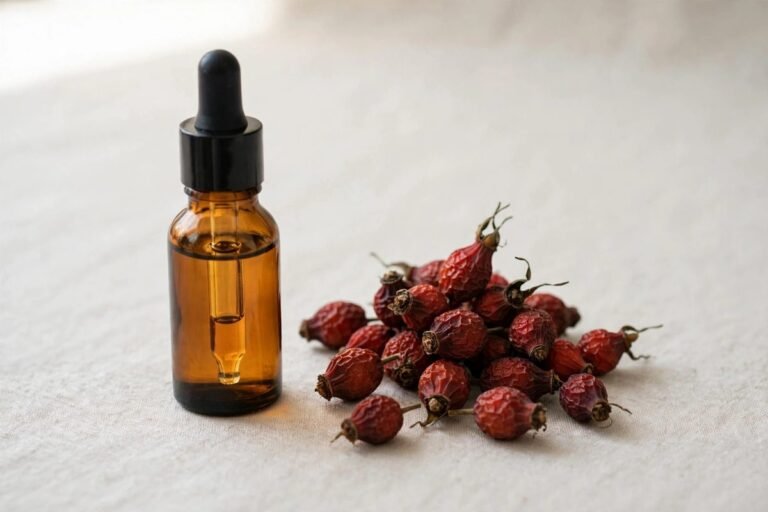
If you use oils on skin and hair as well, remember that the same spoilage rules apply there. Cold-pressed products like rosehip oil and hemp seed oil spoil quickly too, which is why they also come in dark bottles and small sizes. More stable oils include jojoba, which is technically a wax and lasts much longer — a useful contrast when you are deciding what deserves fridge space and what can live in the bathroom cabinet.
Other Oils That Spoil Fast
Flaxseed is not alone in this. If you have ever wondered can flaxseed oil go bad faster than the olive oil beside it, the answer is yes — any oil high in polyunsaturated fats, including walnut, hemp seed, and many cold-pressed seed oils, turns faster than saturated or monounsaturated oils. The pattern is consistent: the more delicate the fat, the more care the oil needs. Oils high in saturated fat, like coconut oil, and wax-like oils, like jojoba, are far more forgiving. If your kitchen shelf holds several oils, it is worth knowing which ones belong in the fridge and which are fine at room temperature.
Frequently Asked Questions
Does Refrigerating Flaxseed Oil Make It Cloudy?
Slight cloudiness is normal and clears when the oil warms up. Judge freshness by smell and taste, not by clarity straight out of the fridge — cloudiness alone does not answer can flaxseed oil go bad for your bottle.
Can I Cook With Flaxseed Oil?
No. Heat damages it and creates bad flavours, which is another way can flaxseed oil go bad — through cooking rather than age. Use it only as a finishing oil, added to food after cooking.
Can Flaxseed Oil Go Bad Before Its Expiry Date?
Yes. Can flaxseed oil go bad before its expiry date? Absolutely — the printed date assumes the bottle is unopened and stored correctly. An opened bottle kept warm, in sunlight, or with a loose cap can turn well before that date.
The Bottom Line
Can flaxseed oil go bad? Absolutely. Buy it fresh, keep it cold and dark, and use it within a month or so of opening. Write the date on the bottle, trust your nose when something smells off, and throw it out when in doubt. A small bottle finished on time beats a large bottle half wasted every time.
3 Comments