Beard Oil on Mustache: Best Picks for Softer, Fuller Mustache Hair & How to Apply It

Using beard oil on mustache hair is completely normal, and often a good idea. The skin under a mustache gets just as dry and itchy as the rest of the beard, and the hair itself is often coarser and more wiry than the hair on your cheeks or chin. The only real difference is placement: it sits right under your nose and above your lip, so it needs a little more care. This guide covers how much to use, which oils suit the area best, and how to stop it ending up in your food.
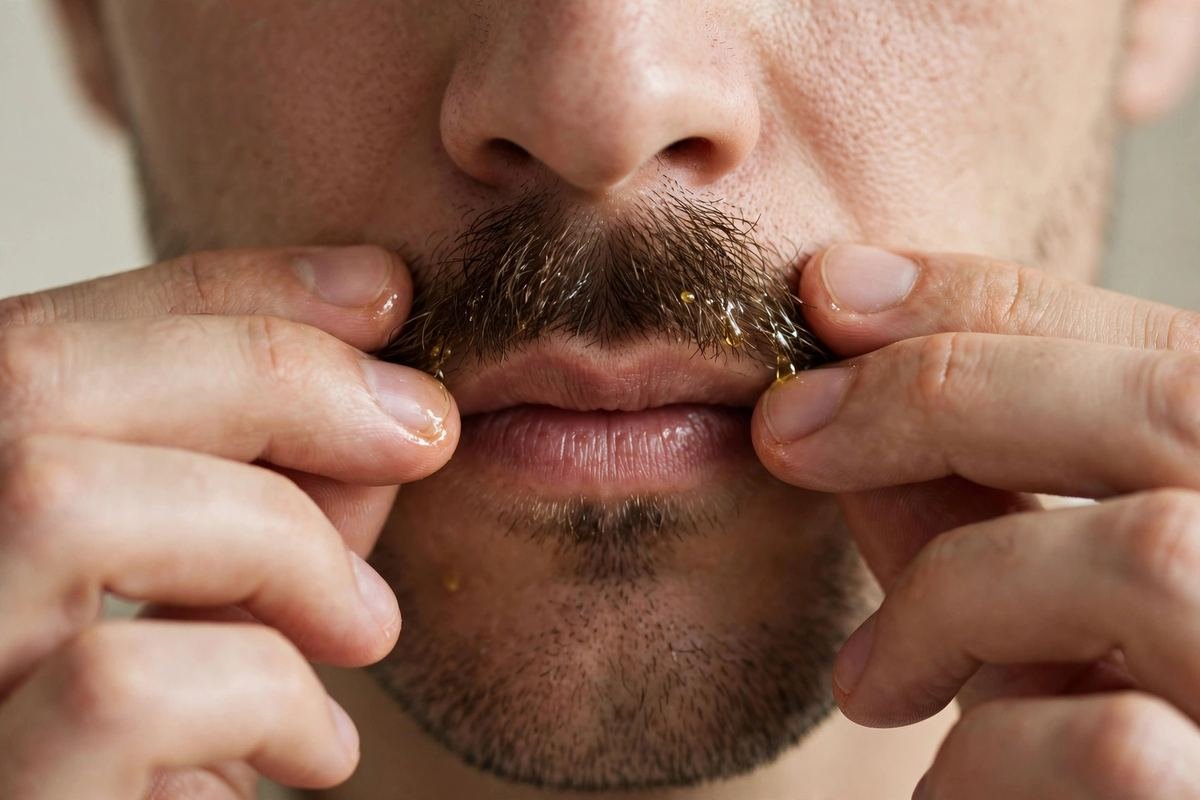
Is Beard Oil on Mustache Hair Safe?
Yes, for most men. Beard oils are made to condition both the hair and the skin underneath it, and the mustache area is no exception. The skin there is more sensitive than the skin on your jaw, though, because it sits near your nose and mouth and gets disturbed every time you eat, drink, or talk. That means two rules matter more here than anywhere else on the beard: choose a gentle formula, and use less than you think you need.
The products most likely to cause trouble are the strongly scented ones. Heavy fragrance, cinnamon, clove, and peppermint oils can sting the skin around the nose or feel overwhelming at that distance all day. If you have sensitive skin, an unscented or lightly scented blend with a simple carrier oil base is the safer starting point. Patch test any new product first: dab a little on the skin just below your ear or on the inside of your wrist, wait a day, and only then use it on your mustache. If you have a nut allergy, check the ingredients carefully, since many beard oils are built on sweet almond or other nut oils.
Benefits of Beard Oil on Mustache Hair
Mustache hair has a reputation for being stubborn. It grows in different directions, it pokes, and it can feel like wire against your upper lip. Beard oil on mustache hair softens that texture, which is the benefit most men notice first. Softer hair lies flatter, pokes less, and is far easier to train into shape with a comb.
The second benefit is under the surface. The skin beneath a mustache is easy to neglect — it is covered all day, it rarely gets moisturiser, and it can dry out, flake, and itch, especially in cold or dry weather. A few drops of oil worked down to the skin keeps that area comfortable and reduces the dry patches that show up as flakes in the mustache itself. Regular oiling also gives the mustache a healthy, natural shine that looks groomed rather than greasy, which is a big step up from the heavy, waxy look that too much styling product can leave behind.
How to Apply Beard Oil on Mustache Hair
The method matters more than the product. A good application of beard oil on mustache hair takes about a minute, and doing it in the right order keeps the oil where it belongs instead of on your lip or in your lunch. Work through these steps:
- Start with a clean, dry face. Oil works best right after a shower, once the hair is towel-dried and still slightly damp. A dirty or sweaty mustache traps grime under the oil, so wash first.
- Use two to three drops. For a short mustache, that is plenty. A longer, thicker mustache may need four or five, but start small — you can always add another drop, and taking oil away is much harder.
- Rub the oil between your palms or fingertips to warm it so it spreads evenly instead of sitting in one spot.
- Work it from the roots outward, starting near the skin and moving to the tips. Get your fingertips right down to the skin under the mustache, not just over the top layer of hair.
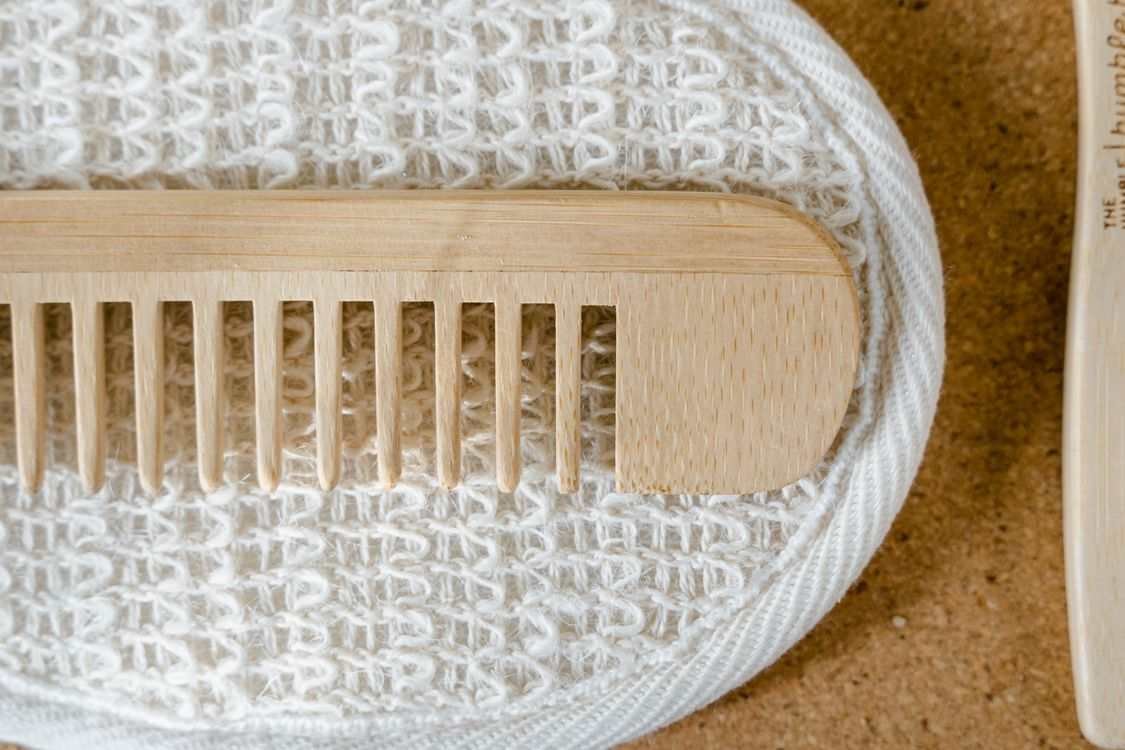
- Comb through gently with a fine-tooth mustache comb to spread the oil evenly and train the hair in the direction you want it to lie.
- Wipe your fingertips along your lip line if any oil has reached your lip, and give it a few minutes to absorb before eating or drinking.
Morning, right after washing, is the natural time for most men. If your skin is very dry, a second light evening application of a drop or two can help.
How to Keep Beard Oil on Mustache Hair Out of Your Mouth
This is the most common complaint about beard oil on mustache hair, and it is almost always a quantity problem rather than a product problem. Apply less than you think you need, and give it a few minutes to absorb before you eat or drink anything. Hair that is still wet with oil will transfer to food, a coffee cup, or your lip; hair that has had five minutes to absorb will not.
Two practical habits help more than anything else. First, trim the mustache hair that grows over your lip. Even a small trim along the lip line stops the longest hairs from dipping into food and drink, and it makes the mustache look tidier at the same time. Second, favour a lightweight oil for the mustache even if you use something heavier on the rest of your beard. Light oils such as jojoba and argan absorb quickly rather than sitting on the surface. Our guide to jojoba oil explains why jojoba in particular is so light — it closely resembles the skin’s own oil — and our argan oil for hair guide covers why argan suits wiry hair so well.
Best Oils for Beard Oil on Mustache Care
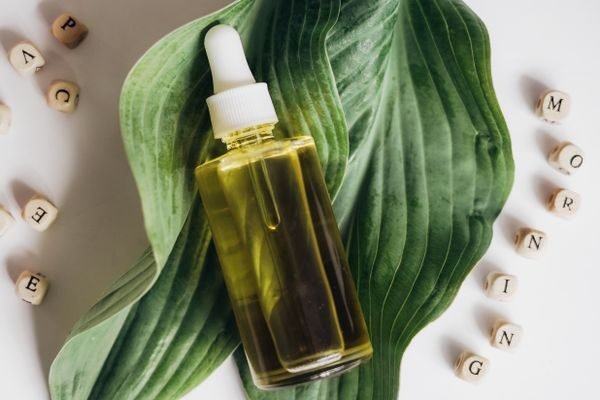
Most beard oils are blends, and the carrier oils in the blend decide how beard oil on mustache hair feels in practice. Jojoba is the classic mustache-friendly choice: it is similar to the skin’s natural oil, absorbs fast, and rarely feels greasy. Argan is smoothing and works well on wiry, unruly hair, though it costs more than most carriers. Sweet almond is a common, affordable base that suits most skin types, provided you have no nut allergy. Castor oil is thick and sealing, which can help very dry or coarse mustaches, but use it sparingly — a little goes a long way, and too much leaves the mustache heavy and sticky. Our guide to castor oil benefits, uses and side effects explains its strengths and limits in detail.
What to avoid matters just as much. Skip strongly scented blends for the mustache area — your nose will tire of them fast at that distance, and strong essential oils can irritate the skin around the nostrils. Avoid nut oils entirely if you have a nut allergy.
Beard Oil on Mustache vs Mustache Wax
Oil and wax do different jobs, and most men with a styled mustache end up using both. Oil conditions: it softens the hair, cares for the skin, and makes the mustache easier to manage. Wax holds: it keeps a shape in place, whether that is a simple neat sweep or a curled handlebar. Neither replaces the other.
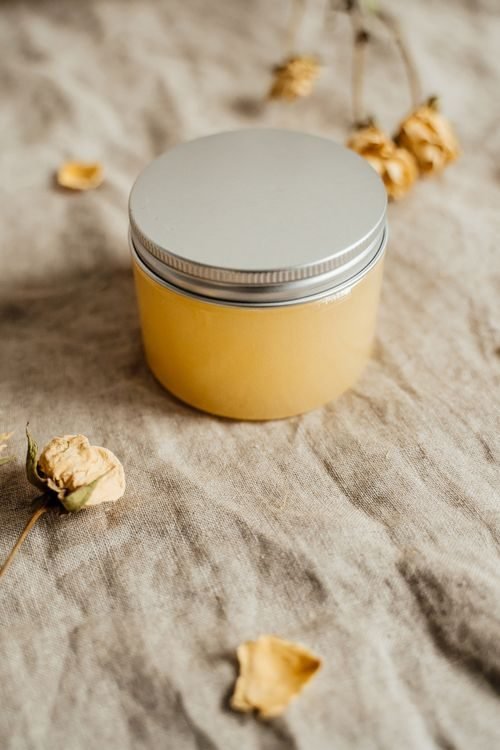
The order matters. Apply beard oil on mustache hair first, wait a few minutes for it to absorb, and then work a small amount of wax in for hold. Wax applied over wet oil will slide off, and oil applied over wax cannot reach the hair or skin at all. If your mustache is short, oil alone is usually enough; if you shape it daily, think of oil as the care step and wax as the styling step. For the wider question of when an oil beats a leave-in product, our hair oils vs leave-in conditioner comparison is a useful read.
Beard Oil on Mustache Hair for Sensitive Skin
The upper lip is a common breakout zone, and heavy oils can clog pores there in some people. If spots appear along your lip line after starting a new oil, use less, switch to a lighter blend, and wash the area properly every day — oil left on unwashed skin overnight is far more likely to cause trouble than oil on clean skin.
Redness, persistent itching, or a rash that does not settle within a few days of stopping the product is worth showing to a doctor or dermatologist. Skin around the nose and mouth can react to fragrances even when the rest of the face tolerates them fine.
Common Mistakes to Avoid
- Applying to a wet, dirty, or sweaty face. Oil seals in whatever is already there, including dirt and sweat.
- Using too much. Excess beard oil on mustache hair attracts dirt, transfers to food, and leaves the mustache looking greasy instead of groomed.
- Choosing a strongly scented oil for the sensitive skin around the nose and mouth.
- Skipping a patch test when you try a new oil or blend.
- Applying wax before oil. Oil cannot condition hair that is already coated in wax.
- Forgetting the skin underneath. Oil smoothed only over the top layer of hair does nothing for the itch and flaking underneath.
Frequently Asked Questions
Can beard oil cause breakouts on my upper lip?
Heavy oils can clog pores in some people. Choose a lighter blend, use a small amount, and wash your face daily. If breakouts persist after switching to a light oil, stop using it and see whether the skin clears before trying another product.
How often should I apply beard oil on mustache hair?
Once daily is usually enough for beard oil on mustache hair, or twice if your skin is very dry or the weather is harsh. More than that rarely helps — it just builds up and transfers to everything the mustache touches.
Can I use the same beard oil on my mustache and the rest of my beard?
Yes, in most cases. Beard oil on mustache hair does not need a different product from the rest of your beard — the only reason to keep a separate, lighter or unscented oil for the mustache is if your main beard oil is heavily scented or very thick. Many men use one bottle for everything and simply use fewer drops on the mustache.
Does beard oil help a mustache grow faster?
No oil changes your growth rate. What beard oil on mustache hair does is reduce breakage and dryness, so the hair you grow stays in better condition and looks fuller. Growth itself comes from genetics, age, and overall health.
The Bottom Line
Beard oil on mustache hair is safe, useful, and easy once you get the amount right. Use a few drops of a light, mild oil, work it down to the skin, comb it through, and let it absorb before you eat. Done that way, your mustache stays soft, tidy, and comfortable — without ending up in your coffee.



One Comment