Avocado Oil Sunscreen: Does It Protect Your Skin From the Sun?
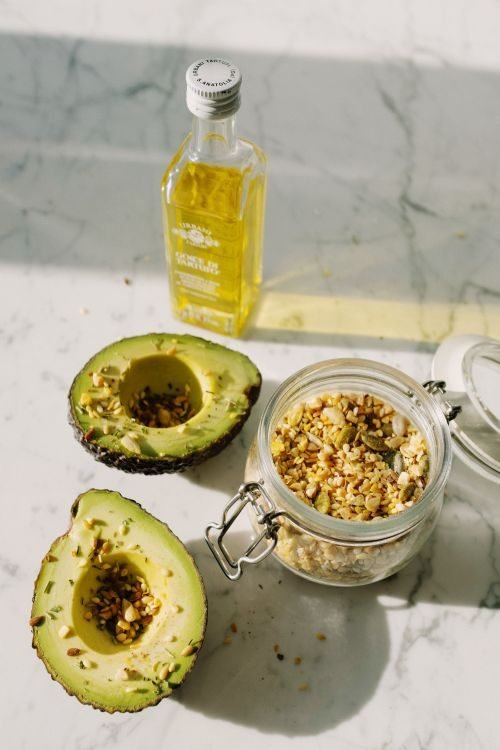
Avocado oil sunscreen is an idea that keeps coming back every summer, usually in a video or a blog post promising a natural, chemical-free way to spend a day in the sun. The logic sounds tempting: avocado oil is rich, nourishing and full of vitamin E, so surely it must shield skin too. It does not, and that misunderstanding is exactly where the danger lies. A bottle of avocado oil feels like protection. It looks like protection, glistening on the skin. But feeling protected and being protected are two very different things, and sunburn is often the first sign that someone found out too late.
Does Avocado Oil Sunscreen Actually Work?
No. Avocado oil sunscreen claims aside, avocado oil is not a reliable sunscreen, and it should never be used as one. You may come across claims online that certain plant oils absorb some ultraviolet light in a laboratory setting, and sometimes a low number gets attached to those claims. Those laboratory results do not translate into real protection on real skin. They vary from batch to batch, they are not tested the way regulated sunscreens are, and they say nothing dependable about UVA rays, the longer-wave rays that drive skin ageing and contribute to skin cancer risk. A regulated sunscreen has to prove its SPF and its broad-spectrum coverage before it can be sold with those claims on the label. Avocado oil has no such testing behind it, no standard dose, and no guarantee that the layer you rub on will stay even, stay put, or cover the spots you missed.
Why the Avocado Oil Sunscreen Numbers You See Online Mislead
Search for avocado oil sunscreen advice and you will find numbers floating around with very little context attached. A figure measured in a lab dish, on a thin film, under controlled light, is not the same as protection on a sweaty shoulder at noon. The oil in your bottle is not the oil in that experiment either. Avocado oil varies with the fruit, the pressing method and how long the bottle has sat on a shelf, and none of that variation is controlled the way a manufactured sunscreen is. Some of the numbers quoted online are also borrowed from other oils entirely, or repeated from one post to another until they look like established fact. They are not. There is no dependable SPF figure for avocado oil, and any article that gives you one as if it were settled should be treated with suspicion.
Why Homemade Sunscreen Is Risky
The avocado oil sunscreen idea often turns into a homemade recipe, usually avocado oil mixed with zinc oxide powder or another kitchen ingredient, and that version carries its own risks. First, there is no guaranteed SPF. You cannot know how much protection a homemade mix gives, because you cannot test it at home, and a guess is not good enough when the cost of being wrong is a burn. Second, zinc oxide mixed by hand rarely spreads evenly. It clumps, it streaks, and it leaves unprotected patches, especially around the nose, ears and hairline where people already miss spots. Third, oils do not stay put. They slide off when you sweat, they wash away when you swim, and they rub onto clothing and towels. Finally, and most sneakily, oil on the skin can make you feel protected when you are not. That false confidence is what keeps people out in the sun longer than they would stay with bare skin, and longer exposure means a worse burn.
What Avocado Oil Is Actually Good For
None of this means avocado oil is useless, and separating the avocado oil sunscreen myth from the oil’s real uses is the whole point. It is a genuinely good skin oil, just for a different job. Avocado oil is a rich emollient, high in oleic acid, with vitamin E and a small amount of plant sterols, and it suits dry, rough skin beautifully. Elbows, shins, heels and hands that feel tight after a shower drink it up, and it leaves a softer finish than many lighter oils. It also works well as an after-sun moisturiser, once the skin has cooled and any redness has settled. After a day outdoors, a thin layer smoothed over clean skin can ease that dry, papery feeling the sun leaves behind. The key word is after. Avocado oil earns its place in the evening, not as the thing standing between your skin and the midday sun. If you are choosing between rich carrier oils for dry skin, our comparison of shea butter vs coconut oil shows how the heavier and lighter options behave differently.
How to Use Avocado Oil With Real Sunscreen
The safest way to enjoy both, and the practical answer to the avocado oil sunscreen question, is to keep them in separate parts of the day. In the morning, apply a broad-spectrum sunscreen of SPF 30 or higher as the first step before you go out, and give it about fifteen minutes to settle before you head into the sun. Do not layer oil over it. Oil on top can break up the sunscreen film and reduce the protection you just applied, which defeats the whole point. Reapply every two hours outdoors, and sooner after swimming, heavy sweating or towelling off. Then, in the evening, once you are back inside and out of the sun, use avocado oil as a night moisturiser or body oil. That way you get the nourishment you wanted from the oil without asking it to do a job it cannot do.

Avocado Oil Sunscreen and Your Hair in the Sun
A related avocado oil sunscreen question comes up for hair: if avocado oil smooths dry ends, does it protect hair from sun damage too? It can make sun-dried hair feel softer and look less frizzy, and a light coating may reduce some friction and dryness, but it is not sun protection for hair either. Hair that spends long hours in strong sun still dries out, fades in colour and becomes more brittle, especially if it is colour-treated or already damaged. A hat or a scarf does far more for your hair in the sun than any oil, and a rinse and a good conditioner afterwards do more than an oil applied beforehand. Think of avocado oil on hair the same way as on skin: a conditioner and a comfort product, not a shield.
Natural Ways to Protect Yourself From the Sun
If the appeal of avocado oil sunscreen was the natural angle, you do not have to give that up, you just have to aim it at methods that actually work. Seek shade between late morning and mid-afternoon, when the sun is strongest, and remember that shade from a single tree or umbrella still lets reflected light through, so it helps but does not replace sunscreen. Wear a wide-brimmed hat, sunglasses and tightly woven clothing, and look for clothes with a UPF rating if you spend a lot of time outdoors. Choose a mineral sunscreen with zinc oxide or titanium dioxide if you prefer products that feel more natural, instead of any avocado oil sunscreen mix; they are tested, regulated and widely available now in formulas that no longer leave the thick white cast they used to. And eat plenty of fruits and vegetables, which support skin health in general, while remembering that no food replaces sunscreen either.
Is Avocado Oil Safe for Your Skin?
For most people, yes, with a couple of sensible cautions. Avocado oil is moderately comedogenic for some people, which means it can clog pores, so use it carefully on the face if you break out easily, and try a lighter oil on the face if spots appear. People with a latex-fruit allergy should patch test first, because avocado is one of the foods linked to that cross-reaction, and a small test on the inner arm for a day or two is a cheap way to avoid a bigger reaction. Store the bottle away from heat and light, and do not keep using oil that smells off or stale. For hair, compare it with argan oil for hair. Oils go off over time, as explained in our guide to how oils go bad, and rancid oil can irritate skin. A cool cupboard and a tightly closed cap will keep a bottle fresh for months. If you want the full background on another popular hair and skin oil, our benefits of argan oil guide is a useful comparison, and for skin-focused oils generally, beef tallow vs coconut oil for skin covers how different fats behave on the skin.
Frequently Asked Questions
What SPF Does Avocado Oil Have?
There is no dependable figure, and you should not count on any number you find online. Lab measurements behind avocado oil sunscreen vary, they are not standardised, and they do not cover broad-spectrum protection. Treat avocado oil sunscreen as having no usable SPF.
Can I Use Avocado Oil To Tan?
Avocado oil sunscreen tanning claims aside, tanning oils increase sun exposure and burn risk, and dermatologists advise against them. Oil can intensify the sun’s effect on skin while giving a false sense of safety, which is the worst combination. If you want colour, a self-tanner is a far safer route.
Is Avocado Oil Good After Sunburn?
Once the skin has cooled and the worst heat has gone, light moisturising may feel soothing, and avocado oil can help with the dry, peeling stage. Do not apply oil to hot, blistering or broken sunburn, and for severe burns, blistering, or a burn covering a large area, see a doctor rather than treating it at home.
Can I Mix Avocado Oil Into My Sunscreen To Make It More Moisturising?
It is best not to. Mixing anything into a tested sunscreen changes the formula that was tested, and it can thin the protective film or make it apply unevenly. If your sunscreen feels drying, switch to a more moisturising formula, or use avocado oil in the evening after the sunscreen has been washed off.
Does Avocado Oil Sunscreen Work For Children?
No, and avocado oil sunscreen should never be used for children, who are the last people who should be given untested sun protection. Their skin burns more easily and they spend longer in the sun, often in and out of water. Use a proper broad-spectrum sunscreen made for children, plus hats, shade and protective clothing.
The Bottom Line
Avocado oil sunscreen is a myth worth skipping, and once you drop the avocado oil sunscreen idea, the oil itself becomes useful again. Avocado oil is a lovely moisturiser and a comforting after-sun oil, but it is not a sunscreen, it has no dependable SPF, and relying on it can leave you burned. Use avocado oil to moisturise in the evening, and rely on a tested broad-spectrum sunscreen, shade and clothing to protect your skin in the sun. That split, oil for care and sunscreen for protection, gives you the best of both without the risk.