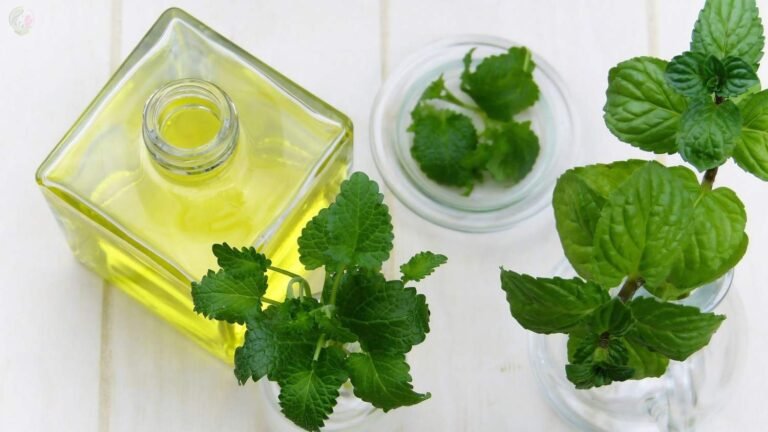
Peppermint Oil for Itchy Scalp and Dandruff
An itchy scalp can ruin your concentration, your sleep, and your confidence, especially when scratching leaves flakes on dark clothing. If you are looking for peppermint oil for itchy scalp relief, you are looking in a sensible place. Peppermint oil for itchy scalp works in two ways at once: its menthol cools and calms the itch signal itself, while its antimicrobial and anti-inflammatory properties address some of the common causes behind the itch. This guide explains what peppermint oil for itchy scalp can help, what it cannot fix, how to use it safely, and how to tell the difference between an itch that home care can calm and an itch that needs a dermatologist.
Why Your Scalp Itches in the First Place
Before reaching for peppermint oil for itchy scalp, it helps to know what is driving your itch, because the cause decides whether peppermint will help or make things worse. The most common cause is dandruff, linked to an overgrowth of Malassezia, a yeast that lives normally on the scalp but can multiply when oil, humidity, and a sensitive immune response combine. The result is flaking, redness, and itching, often worse in winter or during stress. Dry scalp is the second common cause: low humidity, hot showers, harsh shampoos, and frequent heat styling strip the scalp barrier, leaving tight, flaky, itchy skin without the oily yellowish flakes typical of dandruff.
Other causes of an itchy scalp include seborrheic dermatitis, a more inflamed cousin of dandruff that can affect the eyebrows and skin folds as well as the scalp; contact irritation or allergy to a shampoo, dye, or styling product; scalp psoriasis, which produces thick, silvery scales and well-defined patches; eczema on the scalp; product buildup that traps oil and dead skin against the scalp; and, less commonly, head lice, fungal infection, or nerve-related itching. Peppermint oil for itchy scalp is best suited to the first group: dandruff-related itch, dry scalp itch, and mild buildup-related itch. It is not a treatment for psoriasis, lice, or fungal infection, and it can irritate a scalp that is already raw from allergy or eczema. Sorting your cause first saves weeks of trial and error.
How Peppermint Oil for Itchy Scalp Calms the Itch
Peppermint oil for itchy scalp contains menthol, usually 30 to 50 percent of the oil, along with menthone and other plant compounds. Menthol activates TRPM8, a cold-sensitive receptor on nerve endings in the skin. When TRPM8 fires, the brain receives a cooling signal from that patch of skin. That cooling signal does more than feel pleasant. In the spinal cord, strong cooling input can partially compete with itch input, a version of the gate-control idea that explains why scratching, cold water, and cooling creams all temporarily relieve itch even though none of them removes the underlying cause. This is why peppermint oil for itchy scalp often brings relief within minutes, faster than any antimicrobial effect could act.
The second layer of action is slower. Peppermint oil has antimicrobial activity against some bacteria and fungi, including organisms involved in dandruff, and anti-inflammatory compounds that can reduce redness and swelling in irritated skin. Over days and weeks, peppermint oil for itchy scalp may therefore reduce the flaking and irritation that keep triggering the itch, rather than only masking it. A third benefit is practical: peppermint oil helps loosen and clear buildup when combined with massage and washing, and buildup itself is a frequent itch trigger. Together, these three layers, fast cooling relief, slower antimicrobial and anti-inflammatory support, and buildup clearing, explain why peppermint oil for itchy scalp is more useful than a plain cooling product.
What Peppermint Oil for Itchy Scalp Can and Cannot Treat
Peppermint oil for itchy scalp can reasonably help with mild to moderate dandruff itch, dry scalp itch, itch from product buildup, and the general tight, irritated feeling that comes with a stressed scalp. Many people find that regular, properly diluted use reduces both itch intensity and flaking over two to four weeks, especially when combined with a gentle shampoo routine. It can also make the scalp feel fresher between washes, which reduces the urge to scratch.
Peppermint oil for itchy scalp cannot cure seborrheic dermatitis, psoriasis, eczema, or fungal infection, and it should not be used as a substitute for medicated treatment for those conditions. It cannot kill head lice reliably and should not replace lice treatment. It cannot fix itching caused by an allergic reaction to a product, and in that situation it may add a second irritant. If your itch comes with thick scales, patches of hair loss, sores, swelling, pus, intense pain, or itching that spreads beyond the scalp, peppermint oil for itchy scalp is not the right next step. See a dermatologist first, get a diagnosis, and then ask whether peppermint can play a supporting role once the primary condition is treated. For a broader picture of peppermint properties, see peppermint oil uses and benefits.
Safe Dilution for Peppermint Oil for Itchy Scalp
The most important safety rule for peppermint oil for itchy scalp is dilution. An already itchy scalp is a sensitized scalp, and undiluted peppermint oil can turn itch into burning. For itchy scalps, start even lower than the usual hair growth dilution: 0.5 to 1 percent, which is about 3 to 6 drops of peppermint oil per ounce, or 30 milliliters, of carrier oil. Only move to 2 percent if the lower strength is comfortable and the itch persists. If your scalp is red, cracked, or freshly scratched, wait until the skin calms before using peppermint oil for itchy scalp at all, because menthol on broken skin stings and can worsen inflammation.
Choose a gentle carrier for an itchy scalp. Jojoba oil is light, close to the scalp natural sebum, and rarely clogs follicles, making it a good default. See jojoba oil benefits and uses for why it suits sensitive scalps. Coconut oil is soothing for very dry scalps but can feel heavy and may worsen buildup on oily scalps. Argan oil is a good middle option that also conditions the lengths. For dandruff-prone scalps, our guide to argan oil for dandruff explains how a soothing carrier approach complements a stimulating oil. Always patch test peppermint oil for itchy scalp on the skin behind your ear for 24 hours before a full scalp application, even if you have used peppermint products before, because scalp skin reacts differently from arm skin.
Step by Step: Using Peppermint Oil for Itchy Scalp
Start with clean, dry or slightly damp hair. Part your hair into sections so peppermint oil for itchy scalp reaches the skin, not just the hair on top. Apply your diluted blend along each part line with a dropper or fingertips, focusing on the itchiest areas without flooding them. Massage gently with fingertips in slow circles for two to three minutes. Do not use nails, and do not scratch while massaging, since scratching breaks the skin barrier and invites infection. The goal is to spread the blend and calm the scalp, not to exfoliate aggressively.
Leave peppermint oil for itchy scalp on for 15 to 20 minutes, then shampoo with a gentle, sulfate-free shampoo, using lukewarm water. Hot water feels good on an itchy scalp in the moment but strips oils and usually makes itching worse within hours. Repeat two times per week at first. If itching improves, you can reduce to once a week for maintenance. If itching worsens, or if burning, redness, or new flaking appears after application, stop, wash the scalp gently, and do not retry at a higher strength. Keep the blend away from your eyes, wash your hands after application, and never apply peppermint oil for itchy scalp to a scalp with open sores or fresh dye irritation.
Recipes for Peppermint Oil for Itchy Scalp Relief
The basic calming blend for peppermint oil for itchy scalp is simple: 2 tablespoons of jojoba oil with 4 to 6 drops of peppermint oil. Massage into the scalp, leave for 15 to 20 minutes, and wash out. This is the recipe to start with, and it suits most itchy scalps. For a dry, flaky scalp, add richness: mix 1 tablespoon of jojoba oil, 1 tablespoon of argan oil, and 5 drops of peppermint oil, apply to the scalp only, and follow with a moisturizing conditioner on the lengths. This version addresses both itch and dryness in one step.
For a dandruff-prone scalp, a combined antimicrobial blend can help: 2 tablespoons of jojoba oil, 4 drops of peppermint oil, and 3 drops of tea tree oil, keeping the total essential oil concentration near 1 to 2 percent. Tea tree oil has its own antifungal and anti-inflammatory research, and the two oils complement each other, but introduce them one at a time so you can identify any irritant. Learn more in benefits of tea tree oil, the complete science-backed guide. For a quick between-wash refresh, mix 6 drops of peppermint oil and 1 tablespoon of aloe vera gel into 8 ounces of distilled water, shake well, spritz lightly on the scalp, and massage briefly. Make this spray fresh weekly. For a soothing rinse after shampooing, add 2 drops of peppermint oil to a cup of cool water, pour over the scalp as a final rinse, and leave it in. This rinse version of peppermint oil for itchy scalp is the gentlest option and suits very sensitive scalps.
Peppermint Oil for Itchy Scalp and Dandruff: What the Evidence Says
Dandruff is driven in part by Malassezia yeast, and laboratory studies show peppermint oil has antifungal activity against Malassezia and related organisms. That laboratory finding is promising, but it is not the same as clinical proof that peppermint oil for itchy scalp cures dandruff in people. Human studies of peppermint for dandruff specifically are limited, and most evidence comes from its known antimicrobial and anti-inflammatory properties plus user experience. A fair summary is that peppermint oil for itchy scalp is a reasonable supportive treatment for mild dandruff, especially when combined with regular washing and a gentle anti-dandruff shampoo, but it is not a proven replacement for medicated shampoos containing ketoconazole, selenium sulfide, zinc pyrithione, or coal tar.
The practical approach is to combine, not to choose one or the other. Use a medicated or gentle anti-dandruff shampoo as your primary dandruff treatment if dandruff is your main problem, and use peppermint oil for itchy scalp as a between-treatment soother on non-shampoo days or as a pre-shampoo scalp treatment. If dandruff does not improve after four weeks of consistent care, or if it spreads to the eyebrows, ears, or chest, that pattern suggests seborrheic dermatitis, which needs medical assessment. Peppermint oil for itchy scalp works best when it supports a correct diagnosis, not when it delays one.
The New Angle: The Itch-Scratch Cycle and Menthol Tolerance
Here is an angle most articles on peppermint oil for itchy scalp never mention, and it changes how you should schedule treatment. Itching creates a self-reinforcing loop: itch leads to scratching, scratching breaks the scalp barrier, a broken barrier lets irritants and microbes in, and that inflammation creates more itch. Peppermint oil for itchy scalp interrupts this loop at two points at once. The cooling signal reduces the urge to scratch in the moment, and the anti-inflammatory and antimicrobial action reduces the irritation that would trigger the next round of itching. Breaking the loop, rather than just cooling one episode, is why consistent use over two to four weeks matters more than a single dramatic application.
The second half of this angle is menthol tolerance, a real but rarely discussed effect. Cold receptors, like other sensory receptors, can become less responsive with constant strong stimulation. People who use strong peppermint oil for itchy scalp every day sometimes report that the cooling effect fades and they need more oil to get the same relief, which then irritates the scalp. The science-correct response is cycling: use peppermint oil for itchy scalp for five days, then take two days off, or use it two to three times per week rather than daily, and keep the concentration at the lowest level that gives relief. Cycling preserves receptor sensitivity, protects the scalp barrier, and keeps peppermint oil for itchy scalp effective for months instead of weeks. If relief fades despite cycling, that is useful information: the underlying cause may need medical treatment, not a stronger dose.
Peppermint Oil for Itchy Scalp by Cause
For dry scalp itch, peppermint oil for itchy scalp works best paired with a rich carrier, lukewarm washing, and a conditioner that seals moisture into the lengths. Reduce shampoo frequency if you are overwashing, and avoid hot water and heavy heat styling until the barrier recovers. For dandruff itch, pair peppermint oil for itchy scalp with regular washing, a gentle anti-dandruff shampoo, and attention to stress and sleep, both of which influence dandruff flare-ups. For buildup itch, the massage step matters most: gentle fingertip massage plus thorough rinsing clears the trapped oil and dead skin that trigger itching, and a clarifying wash once every two weeks can help.
For itch after coloring or chemical treatment, wait until the scalp has fully calmed, usually at least a week, before trying peppermint oil for itchy scalp, and patch test carefully, because chemically treated scalps are more reactive. For itch linked to eczema, covered in argan oil for eczema, peppermint oil should only be used with medical guidance, since stimulating oils can aggravate eczema even while they help ordinary dry scalp itch. For itch in curly or coily hair, where washing is less frequent and buildup accumulates, peppermint oil for itchy scalp in a light jojoba base, applied in sections, is usually better than a heavy oil that adds to buildup. See argan oil for different hair types for matching carriers to hair texture.
Building a Weekly Routine with Peppermint Oil for Itchy Scalp
A sustainable weekly routine for peppermint oil for itchy scalp looks like this. On wash days, apply the diluted scalp blend as a pre-shampoo treatment, leave for 15 to 20 minutes, then wash with lukewarm water and a gentle shampoo. On non-wash days, if itching flares, use the light peppermint spray or a cool rinse rather than a full oil treatment, so the scalp is not overloaded. Once a week, check your scalp in a mirror or with phone photos: look for redness, new flaking patterns, or areas where scratching has broken the skin. That weekly check catches problems early.
Support the routine with habits that reduce itch from other directions. Wash pillowcases weekly, clean hair tools, avoid sharing combs, and resist the urge to scratch with nails or sharp tools. Keep a simple itch diary for the first month of peppermint oil for itchy scalp: note the date, the itch score from zero to ten, any flakes, and what you applied. Patterns emerge quickly. If itching is always worse after a particular shampoo, dye, or styling product, that product is a more likely culprit than dandruff, and removing it will help more than any oil. If itching is worse in winter, dryness and indoor heating are likely contributors, and a richer carrier plus a humidifier may help alongside peppermint oil for itchy scalp.
Side Effects and When to Stop Peppermint Oil for Itchy Scalp
Side effects of peppermint oil for itchy scalp are usually mild and dose-related: burning, stinging, redness, or increased itching after application. These signals mean the concentration is too high, the scalp barrier is broken, or you are sensitive to peppermint. Stop, wash gently, and wait at least a week before retrying at half strength, if you retry at all. Allergic contact dermatitis to peppermint is uncommon but possible, and it typically appears as a rash that persists after washing and spreads beyond the application area. That pattern needs medical review, not a stronger home remedy.
Stop peppermint oil for itchy scalp and seek medical care promptly if you notice sores, swelling, pus, crusting, patches of hair loss, severe pain, itching that prevents sleep for more than a week, or itching that spreads to the face, neck, or body. These are not ordinary dandruff symptoms. Also seek care if you have a weakened immune system, diabetes with skin problems, or a scalp condition already under medical treatment, and ask your clinician before adding any essential oil. Peppermint oil for itchy scalp is a supportive home treatment, not a diagnostic tool, and persistent or worsening symptoms deserve a diagnosis.
Mistakes People Make with Peppermint Oil for Itchy Scalp
The biggest mistake with peppermint oil for itchy scalp is applying it undiluted to an already irritated scalp, which converts itch into burning and damages the barrier further. The second mistake is scratching during or after application, which undoes the barrier-protecting benefit. The third is using peppermint oil for itchy scalp daily at high strength until the cooling effect fades, then increasing the dose instead of cycling, as described above. The fourth is mistaking every flaky scalp for dandruff and missing psoriasis or eczema that needs different treatment. The fifth is buying fragrance oil instead of true peppermint essential oil: a product labeled mint fragrance or peppermint scent may contain no menthol in a therapeutic dose and may contain allergens of its own. Choose oil labeled Mentha piperita, 100 percent pure essential oil.
Another common mistake is expecting peppermint oil for itchy scalp to work through a thick layer of styling product. If the scalp is coated with gel, wax, or dry shampoo, the oil sits on top of that layer and never reaches the skin. Wash first, or at least part the hair and apply directly to clean skin. Finally, do not combine peppermint oil for itchy scalp with strong medicated treatments on the same day until you know how your scalp tolerates each one separately. Layering multiple active treatments on an irritated scalp makes it impossible to identify which one helped or harmed.
Frequently Asked Questions About Peppermint Oil for Itchy Scalp
How fast does peppermint oil for itchy scalp work?
Cooling relief from peppermint oil for itchy scalp often arrives within minutes, because menthol activates cold receptors quickly. Reduction in flaking and background itching usually takes two to four weeks of consistent, properly diluted use.
Can peppermint oil for itchy scalp cure dandruff permanently?
No. Dandruff tends to recur because its drivers, yeast, oil, and individual sensitivity, persist. Peppermint oil for itchy scalp can manage dandruff itch and flaking, but maintenance use and regular washing are usually needed to keep it controlled.
Is peppermint oil for itchy scalp safe for sensitive skin?
It can be, at a low dilution of 0.5 to 1 percent, with a patch test and short leave-on times. Very sensitive or eczema-prone scalps should get medical advice first, since peppermint oil for itchy scalp can irritate a compromised barrier.
Can children use peppermint oil for itchy scalp?
Peppermint oil should not be applied to the scalp or face of infants or young children because menthol can irritate their skin and airways. Older children should only use it with pediatric guidance and at very low dilution.
Should I use peppermint oil for itchy scalp every day?
Daily use at high strength is not recommended. Two to three times per week, with rest days, preserves menthol sensitivity and protects the scalp barrier. If daily relief is needed, that pattern itself suggests the underlying cause needs medical assessment.
Final Thoughts on Peppermint Oil for Itchy Scalp
Peppermint oil for itchy scalp earns its reputation honestly: it cools itch fast, supports a healthier scalp environment over weeks, and fits easily into a gentle hair care routine. Its limits are equally honest: it manages mild dandruff and dry scalp itch well, it does not cure psoriasis, eczema, lice, or fungal infection, and it harms more than helps when used undiluted, too often, or on broken skin. Start low, at 0.5 to 1 percent in a gentle carrier, cycle your use, track your itch with a simple diary, and let peppermint oil for itchy scalp break the itch-scratch cycle rather than just masking one bad evening. If itching persists, worsens, or comes with sores, patches, or hair loss, a dermatologist, not a stronger bottle, is the right next step.