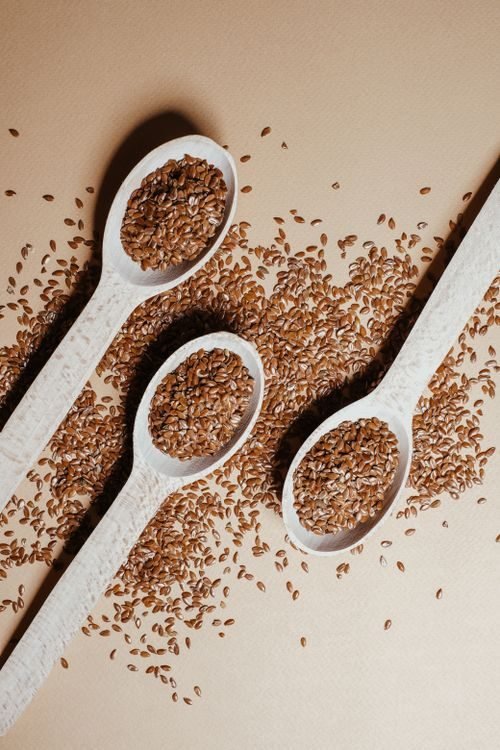
Flaxseed Oil for Hair
If you have ever stood in the hair oil aisle wondering whether the small golden bottle labelled flaxseed is worth trying, you are not alone. Interest in flaxseed oil for hair has grown steadily, and for good reason: it is a light, plant-based oil rich in the kind of fats that dry hair seems to drink up. Yet it is also one of the most misunderstood oils on the shelf, partly because people confuse it with flaxseed gel, and partly because it is sold both as a food and as a beauty oil. This guide sorts out what flaxseed oil for hair can realistically do, how it differs from other popular hair oils, and how to use it without ending up with limp, greasy strands or a rancid bottle in the back of a cupboard.
Flaxseed oil, sometimes called linseed oil in older or industrial contexts, is pressed from the seeds of the flax plant, Linum usitatissimum. The cosmetic and food-grade versions you want for hair are cold-pressed and unrefined, which means the oil has not been heated in a way that damages its delicate fats. That delicacy is both its strength and its weakness. The same omega-3 fatty acids that make flaxseed oil for hair feel so nourishing also make the oil spoil faster than sturdier oils such as coconut or argan. Keep that fact in mind as you read, because it shapes almost every practical decision in this guide, from how much to buy to where to store it.
What Is Flaxseed Oil for Hair, Exactly?
At its simplest, flaxseed oil for hair is the oil pressed from flaxseeds, used on the scalp and strands as a conditioning and scalp-care treatment. It is not an essential oil, so it does not need to be diluted in the way a concentrated essential oil does, and it is not the same thing as flaxseed gel. Gel is made by boiling whole seeds in water and straining out a slippery, mucilage-rich liquid that coats curls and holds a style. Oil, by contrast, is pure fat: smooth, golden, and meant to soften, seal, and condition. Both come from the same seed, but they behave very differently on hair, and swapping one for the other will give you a different result.
The star nutrient in flaxseed oil for hair is alpha-linolenic acid, usually shortened to ALA, a plant-based omega-3 fatty acid. Flaxseed oil is one of the richest plant sources of ALA, and that matters because omega-3 fats play a role in keeping cell membranes flexible and healthy, including the skin cells of the scalp. The oil also contains smaller amounts of omega-6 linoleic acid, vitamin E, and plant compounds called lignans, although it is worth noting honestly that lignans live mostly in the seed coat, so the oil contains far fewer of them than ground whole seeds do. When people talk about flaxseed oil for hair, they are usually talking about the fatty-acid profile first and everything else second.
Texture-wise, flaxseed oil for hair sits in the middle of the pack. It is lighter than castor oil and less likely to leave a heavy coating than coconut oil on fine hair, but it is richer than a dry oil like grapeseed. On damp hair it spreads easily and absorbs reasonably well, and on dry hair a few drops can smooth flyaways without turning the whole head shiny. That middleweight character is why it suits such a wide range of hair types, provided you adjust the amount to your own density and porosity rather than copying someone else’s routine drop for drop.
Why Flaxseed Oil for Hair Appeals to So Many People
There is a particular kind of hair frustration that flaxseed oil for hair seems made for: hair that looks dull no matter how much conditioner you use, ends that split soon after a trim, and a scalp that feels tight or flaky in winter. Dryness is often a problem of lost lipids, the natural fats that help the hair cuticle lie flat and keep moisture inside the strand. When those lipids are stripped away by frequent washing, heat styling, colouring, or simply dry air, the cuticle lifts, light scatters instead of reflecting, and hair looks rough and matte. A light coat of oil can temporarily smooth that surface, which is why flaxseed oil for hair so often produces an immediate shine effect even before any longer-term conditioning has happened.
Another reason people reach for flaxseed oil for hair is scalp comfort. An itchy, flaky scalp makes everything else about hair care harder, because scratching damages the skin further and flakes show up on dark clothing. The anti-inflammatory reputation of omega-3 fats is part of the appeal here, and many users report that a gentle scalp massage with flaxseed oil leaves their scalp feeling calmer and less tight. That is a plausible, modest claim: a well-moisturised scalp barrier is less reactive than a dry, irritated one. It is not the same as treating a medical scalp condition, and anyone with persistent scaling, red patches, or hair loss should see a dermatologist rather than relying on any oil alone.
Finally, flaxseed oil for hair appeals to people who prefer simple, plant-based routines. There are no silicones, no fragrance, and no long ingredient list to decode. For someone who has reacted to heavily fragranced products, that simplicity is genuinely valuable. It also makes flaxseed oil for hair easy to combine with other steps you already use, whether that is a weekly mask, a leave-in conditioner, or a scalp massage routine you do while watching television in the evening.
The ALA and Scalp Angle: What Makes Flaxseed Oil for Hair Different
Here is the angle most guides skip, and it is the one that explains why flaxseed oil for hair behaves differently from the oils you may already know. Most popular hair oils are valued mainly for what they do on the surface of the strand: coconut oil penetrates the shaft and reduces protein loss, argan oil coats and smooths with a mix of oleic and linoleic acids, and jojoba oil mimics the scalp’s own sebum. Flaxseed oil for hair brings something different to the table, namely a very high proportion of ALA, an omega-3 fat that most other common hair oils contain only in small amounts. That does not automatically make it better, but it does make its mechanism different, and understanding that difference helps you use it sensibly.
Think of the scalp as skin first and hair-growing territory second. Healthy skin needs a functioning barrier, and that barrier is built partly from fats. When the scalp barrier is dry and compromised, it can feel itchy and tight, and flakes form more easily. Applying flaxseed oil for hair to the scalp delivers fats directly to that skin surface, which can help it feel more supple and less reactive in the short term. This is a surface, conditioning effect, not a hormonal or medical one, and it is best judged by how your own scalp feels after a few weeks of consistent use, not by dramatic before-and-after promises.
There is also an important honesty point about ALA. The body can convert ALA into longer-chain omega-3s, EPA and DHA, but that conversion is inefficient, and eating flaxseed is not the same as applying flaxseed oil for hair to your scalp. Topical oil does not travel through your bloodstream to feed follicles from within; it works where you put it. That is not a flaw, it is simply how topical care works, and it means the fairest way to judge flaxseed oil for hair is by visible, touchable changes: softer strands, less breakage when combing, a calmer scalp, and better shine. If a product promises to regrow hair from flaxseed oil alone, treat that promise with scepticism.
For readers who want to compare oils before committing, our broader hair oil comparison guide puts flaxseed alongside argan, coconut, and other familiar oils, while argan oil for hair remains a useful contrast, since argan is richer in oleic acid and tends to feel slightly heavier and more smoothing on coarse hair than flaxseed oil for hair does.
Benefits of Flaxseed Oil for Hair, Explained Honestly
Softness and shine are the most reliable benefits of flaxseed oil for hair, and they are also the easiest to verify for yourself. After a light application, hair typically feels smoother to the touch because the oil fills tiny gaps in a roughened cuticle and helps strands slide past each other instead of catching and snapping. That smoother surface reflects light more evenly, which the eye reads as shine. The effect is cosmetic and temporary, fading with the next wash, but it is real, and for many people it is enough reason to keep a bottle on hand. If your hair is dull because it is dry rather than because it is damaged at a structural level, flaxseed oil for hair often makes a visible difference within a single use.
Breakage reduction is the second benefit worth discussing, with a caveat. Flaxseed oil for hair does not repair a split end or glue a broken strand back together; no oil does. What it can do is reduce the friction and dryness that lead to new breakage. Hair that is supple bends instead of snapping when you brush it, and hair that is well lubricated tangles less. Over weeks, that can mean fewer broken hairs in your brush and on your pillow, especially if you pair the oil with gentler habits such as wide-tooth combing on damp hair, less aggressive towel drying, and lower heat settings. Think of flaxseed oil for hair as part of a breakage-prevention routine rather than a repair treatment.
Frizz control follows naturally from the same mechanism. Frizz is often hair reaching for moisture in humid air, with lifted cuticles catching on each other. A thin layer of flaxseed oil for hair on the mid-lengths and ends can slow moisture exchange and help strands lie in the same direction, which reads as smoother, calmer hair. The trick is dosage: too little and the frizz returns within an hour, too much and fine hair looks weighed down. Most people find their sweet spot somewhere between two drops for short, fine hair and a teaspoon for long, thick hair, and that range is worth experimenting with rather than copying exactly.
Scalp hydration is the fourth benefit, and it deserves its own paragraph because it is where flaxseed oil for hair differs most from a simple shine serum. Massaging the oil into the scalp with your fingertips for two or three minutes does two things at once: it delivers lipids to dry scalp skin, and the massage itself encourages blood flow to the surface. You may notice less tightness after washing, fewer visible flakes on your shoulders, and a scalp that feels comfortable for longer between washes. If you already follow a broader routine, our hair care guide explains how scalp care fits alongside washing and conditioning, and how to use hair oil covers the general technique that works well for flaxseed oil for hair too.
What flaxseed oil for hair will not do is also worth stating plainly. It will not change your hair’s natural growth rate overnight, reverse genetic hair loss, or replace medical treatment for conditions such as alopecia or seborrhoeic dermatitis. It will not turn straight hair curly or curly hair straight, and it will not protect hair from heat the way a dedicated heat protectant does. Keeping expectations in this honest range is what separates a useful routine from a disappointing one, and it is also why this guide keeps returning to the same test: does your hair feel and look better after consistent, sensible use?
Flaxseed Oil for Hair by Hair Type
Fine hair benefits from flaxseed oil for hair most when the amount stays tiny and the application stays away from the roots unless the scalp itself is dry. A single drop warmed between the palms and smoothed over the ends is often enough to add shine without flattening volume. If you apply a full scalp treatment to fine hair, plan to shampoo thoroughly afterwards, because residue near the roots is what makes fine hair look limp. Many people with fine hair prefer flaxseed oil for hair as a pre-wash treatment or an ends-only finisher rather than a leave-in scalp oil.
Medium and wavy hair tends to be the easiest match for flaxseed oil for hair. This hair type usually has enough density to absorb a teaspoon without looking greasy, and enough texture for the smoothing effect to show clearly. A weekly scalp-and-lengths treatment, left on for thirty minutes before washing, often gives wavy hair a softer wave pattern and less halo frizz. If your waves tend to fall flat by midday, try applying the oil to damp rather than dry hair, since damp application helps seal in the water already present in the strand.
Curly and coily hair often loves flaxseed oil for hair, but for a slightly different reason: sealing. Curly hair loses moisture more easily because its twists and turns make it harder for natural scalp oils to travel down the strand. A light coat of flaxseed oil after a water-based leave-in can help lock that moisture in, reducing the dry, cottony feeling that curly hair sometimes develops by the second or third day after washing. Coily hair may need a little more oil than wavy hair, and layering it over a cream or leave-in usually works better than using oil alone on dry hair. If you are unsure about your own porosity, which strongly affects how much oil your hair absorbs, the hair porosity test is a quick way to find out before you settle on an amount.
Colour-treated and heat-damaged hair can also benefit from flaxseed oil for hair, with one caution: damaged hair is porous, so it drinks up oil quickly but may also feel coated if you overdo it. Start with a small amount on the most damaged sections, usually the ends, and build up only if the hair still feels rough after washing. Bleached hair in particular should be treated gently, with the oil applied to damp hair and combed through with a wide-tooth comb rather than brushed aggressively while wet.
Flaxseed Oil for Hair vs Other Oils
Comparing flaxseed oil for hair with argan oil is the comparison most readers ask about, and the honest answer is that neither is universally better. Argan oil, covered in depth in our benefits of argan oil guide, is richer in oleic acid, feels a touch more luxurious on coarse or very dry hair, and is considerably more stable on the shelf. Flaxseed oil for hair is lighter, richer in omega-3 ALA, and often cheaper per millilitre, but it spoils much faster and has a faint nutty, almost grassy scent that some people love and others merely tolerate. If you want one bottle that lasts for months in a warm bathroom, argan is the safer bet; if you want a light omega-3-rich oil and you are happy to refrigerate it and use it within weeks, flaxseed oil for hair is an excellent choice.
Against coconut oil, flaxseed oil for hair is less likely to cause the stiff, coated feeling that some people experience with coconut, particularly on fine or low-porosity hair. Coconut oil penetrates the hair shaft more deeply, which is an advantage for reducing protein loss during washing, but it can also build up and make hair feel crunchy if overused. Flaxseed oil for hair sits more on the surface, giving shine and slip without that same build-up risk, though it also washes out more easily, so its conditioning effect may not last as long between washes.
Against castor oil, the difference is mostly weight and purpose. Castor oil is thick, sticky, and often chosen for edges, brows, or intensive scalp treatments, while flaxseed oil for hair is far easier to spread and rinse out. Many people blend the two, using flaxseed to thin castor oil into a workable consistency, and that blend can be a practical compromise if you like castor’s richness but hate wrestling it out of your hair. Our guide to castor oil benefits, uses and side effects explains that trade-off in more detail.
How to Use Flaxseed Oil for Hair Without the Greasy Aftermath
The simplest routine for flaxseed oil for hair is a pre-wash treatment. Warm a small amount between your palms, massage it into your scalp with your fingertips for a couple of minutes, then work whatever remains down the lengths to the ends. Leave it for thirty minutes, or up to an hour if your hair is very dry, then shampoo as normal, possibly twice if your hair is fine or your scalp tends towards oiliness. This method gives you the scalp and conditioning benefits of flaxseed oil for hair without leaving residue that dulls your style, and it is the best starting point if you have never tried the oil before.
For a lighter, everyday option, use flaxseed oil for hair as an ends finisher. After styling, rub one or two drops between your palms and smooth them over the last few inches of hair, where dryness and split ends concentrate. This will not condition your scalp, but it will tame flyaways and add shine in seconds, and it carries almost no risk of greasiness because the roots are untouched. People with long hair often keep a small bottle in their bag for exactly this purpose, reapplying a single drop on dry days when the ends start to look frayed.
A weekly mask is the third option, and it suits hair that feels chronically dry despite regular conditioning. Mix flaxseed oil for hair with a spoonful of aloe vera gel or a few drops of another carrier oil you already trust, apply it generously from mid-lengths to ends, cover your hair with a shower cap or warm towel, and leave it for an hour before washing out. The warmth and the extra time help the oil spread evenly, and the mask format makes it easy to target only the sections that need it. If you want a fuller how-to with amounts by length and wash-out tips, that is covered separately, but the short version is this: less is more, damp hair absorbs better than soaking wet hair, and shampoo is your friend if you overdo it.
One practical point deserves emphasis because it catches out almost every first-time buyer: flaxseed oil for hair goes rancid faster than most oils. Buy a small bottle, keep it refrigerated after opening, keep the cap tightly closed, and sniff it before each use. Fresh flaxseed oil smells mild, nutty, and faintly grassy; rancid oil smells sharp, bitter, or like old paint. If it smells off, throw it away and do not put it on your scalp. Our detailed guide to whether flaxseed oil can go bad, with shelf-life and storage tips explains the signs in full, but the rule of thumb is simple: when in doubt, do not use it.
Side Effects and Cautions for Flaxseed Oil for Hair
Flaxseed oil for hair is generally well tolerated, but a patch test is still worth doing, especially if you have sensitive skin or a history of plant allergies. Dab a small amount behind your ear or on your inner arm, leave it for twenty-four hours, and check for redness, itching, or bumps before using it across your whole scalp. Our patch-test timer can help you track that waiting period without forgetting about it. If you notice irritation, wash the area with a gentle cleanser and do not repeat the application.
Overuse is the most common problem with flaxseed oil for hair, and it is easy to fix. Too much oil, especially near the roots, can make hair look flat, attract dust, and in some cases contribute to clogged follicles if it is left on for days without washing. The solution is not to abandon the oil but to reduce the amount, apply it mainly to the lengths, and wash it out properly. People with naturally oily scalps or acne-prone skin along the hairline should be particularly careful about leaving heavy oil on the scalp overnight, and a pre-wash treatment that is rinsed out within an hour is usually the safer pattern for them.
There is also a supplement caution worth mentioning, because flaxseed oil for hair is often confused with flaxseed oil capsules taken by mouth. Oral flaxseed oil can interact with blood-thinning medication and may cause digestive discomfort in large amounts, so anyone considering supplements should talk to a doctor first. That caution does not apply in the same way to topical use, but it is a good reminder not to assume that because something is natural, it is automatically safe in every form and every dose. More general safety points are covered in our hair oil side effects guide.
Frequently Asked Questions About Flaxseed Oil for Hair
Can I leave flaxseed oil for hair on overnight? You can, and many people with very dry or coarse hair do, but it is not necessary for most hair types. Thirty to sixty minutes usually delivers most of the conditioning benefit, and overnight application increases the risk of transferring oil to your pillow and of build-up on the scalp. If you do leave it overnight, use a small amount, protect your pillow with a towel or satin cap, and shampoo thoroughly in the morning.
Does flaxseed oil for hair help with dandruff? It can help with the dryness and flaking that looks like dandruff, particularly in winter when the scalp is dehydrated. It is less likely to help with dandruff caused by fungal overgrowth or a medical skin condition, which needs targeted treatment. If flakes persist despite regular moisturising, or if you see red, inflamed patches, that is a sign to seek professional advice rather than trying another oil.
Can I use flaxseed oil for hair every day? Daily use is usually unnecessary and can lead to build-up. Two or three times a week as a pre-wash treatment, or a single drop daily on the ends only, is a more sustainable pattern for most people. Daily scalp application is best reserved for short periods when the scalp is exceptionally dry, and even then it should be washed out regularly.
Is flaxseed oil for hair the same as linseed oil from a hardware store? No, and this distinction matters. Hardware linseed oil may be boiled or treated with additives that are not safe for skin or hair. Only use food-grade or cosmetic-grade cold-pressed flaxseed oil on your hair, and check the label for a single ingredient: flaxseed oil, with no added solvents or drying agents.
How long until I see results from flaxseed oil for hair? Shine and softness often improve after the first use, because those are surface effects. Changes in breakage, scalp comfort, and overall hair feel usually take three to six weeks of consistent use to judge fairly, since hair grows slowly and breakage patterns change gradually. Take a photo in similar light before you start, then compare after a month, rather than relying on memory alone.
The Bottom Line on Flaxseed Oil for Hair
Flaxseed oil for hair earns its place in a routine not by promising miracles, but by doing a few ordinary things unusually well: softening dry strands, adding believable shine, calming a tight scalp, and delivering a light, omega-3-rich conditioning layer without the heaviness of thicker oils. Its main drawback, its short shelf life, is manageable once you know about it: buy small, refrigerate after opening, sniff before use, and replace the bottle rather than pushing a stale one to the last drop. Used that way, flaxseed oil for hair is a simple, affordable, plant-based option that suits fine, wavy, curly, and damaged hair alike, provided you adjust the amount to your own hair and wash it out properly.
If your goal is specifically faster or fuller growth rather than general conditioning, read our evidence-focused guide next, since growth claims need a different standard of proof than shine or softness claims. And if you are ready to build a routine around it, start with a single pre-wash treatment this week, note how your hair feels after washing, and adjust from there. The best hair oil is rarely the most expensive or the most heavily marketed one; it is the one you actually enjoy using consistently, and for many people, flaxseed oil for hair turns out to be exactly that.