
Argan oil is often associated with hair and skin care. But there’s another version of this Moroccan oil that belongs in your kitchen, not your bathroom cabinet.
That version is culinary argan oil, and it’s quickly becoming a favorite among home cooks and chefs alike.
This guide breaks down what it is, how it’s made, what it tastes like, and why it deserves a spot in your pantry.
What Is Culinary Argan Oil?
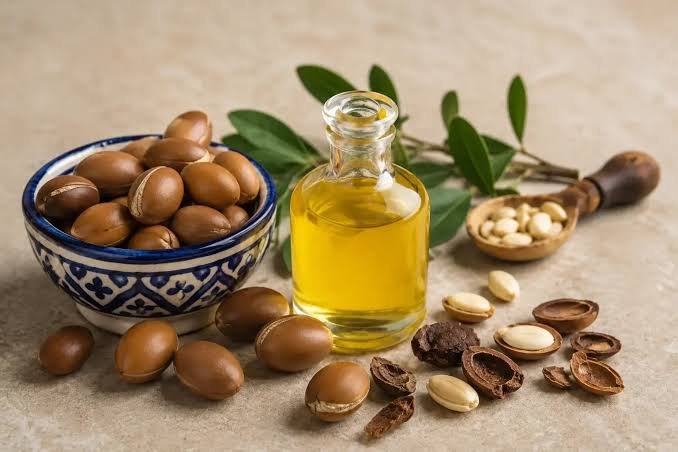
Culinary argan oil is a food-grade oil pressed from the kernels of the argan tree, a species native almost exclusively to southwestern Morocco. Unlike cosmetic argan oil, which is made from raw, unroasted kernels, culinary argan oil is made from kernels that have been lightly roasted before pressing.
This roasting step changes everything. It’s what gives culinary argan oil its deep amber color, nutty aroma, and distinctive flavor that raw argan oil simply doesn’t have.
Cosmetic argan oil and culinary argan oil are not interchangeable. One is meant for your skin and hair; the other is meant for your plate, and each is processed specifically for that purpose.
How Culinary Argan Oil Is Made
The production process is labor-intensive, and much of it is still done by hand, particularly by Berber women’s cooperatives in the Souss Valley of Morocco. This region holds the only significant natural argan forests left in the world.
First, the argan fruit is harvested and dried, then the outer pulp is removed to reveal the hard nut inside. That nut is cracked open, often by hand, to extract the small kernel within.
For the culinary version, these kernels are roasted over low heat, which develops their nutty, toasted flavor. They’re then cold-pressed, a process that avoids high heat and preserves more of the oil’s natural nutrients and flavor compounds.
It can take nearly a full day of hand labor to produce roughly one liter of argan oil. This is part of why authentic culinary argan oil carries a higher price tag than most common cooking oils.
What Does Culinary Argan Oil Taste Like?
Culinary argan oil has a flavor unlike most other oils on the market. It’s often described as nutty, toasty, and slightly earthy, with notes that remind people of roasted hazelnuts or sesame oil.
This flavor comes directly from the roasting step during production. The darker, amber-colored oil carries more intensity than lighter, unroasted varieties.
Because the taste is so distinct, culinary argan oil works best as a finishing oil rather than a base for high-heat cooking. A small drizzle can transform a simple dish into something that tastes noticeably more complex.
Nutritional Profile of Culinary Argan Oil
Culinary argan oil isn’t just prized for its flavor. It also carries a nutritional profile that’s earned attention from nutrition researchers over the past two decades.
The oil is rich in monounsaturated and polyunsaturated fatty acids, similar in some respects to olive oil. It also contains a notable concentration of vitamin E, along with plant compounds like polyphenols and sterols.
These compounds are commonly associated with antioxidant activity in the body. Several studies conducted on Moroccan populations, where argan oil is a dietary staple, have looked at its potential role in supporting heart health and cholesterol balance.
It’s worth noting that most of this research is preliminary or population-based rather than large-scale clinical trials. As with any specialty oil, it’s best viewed as one healthy addition among many, not a standalone cure for anything.
Culinary Uses for Argan Oil
Culinary argan oil shines best when used simply, allowing its flavor to stand out rather than get lost. Here are some of the most common and effective ways to use it.
Drizzled over finished dishes. A small amount over roasted vegetables, grain bowls, or grilled meats adds instant depth. This is likely the single most popular use for the oil among home cooks.
Mixed into salad dressings. Combined with lemon juice, vinegar, or a touch of honey, culinary argan oil makes a distinctive alternative to standard olive oil vinaigrettes. Its nutty flavor pairs particularly well with citrus and greens.
Paired with bread as a dip. In Morocco, it’s traditionally served alongside bread, sometimes mixed with almond paste and honey to create amlou, a popular breakfast spread. This combination has been part of Moroccan food culture for generations.
Stirred into soups or stews at the end. Adding a spoonful just before serving preserves the oil’s flavor and nutrients, which can otherwise break down under prolonged heat. This technique is common in traditional Moroccan cooking.
Used in dessert applications. Its slightly sweet, nutty character makes it a surprising but effective addition to certain baked goods or drizzled over ice cream. Some chefs use it the way others might use brown butter, for added complexity.
Benefits of Cooking With Argan Oil
Beyond flavor, there are several reasons cooks and health-conscious eaters are drawn to this oil.
A Source of Healthy Fats
Culinary argan oil contains a favorable ratio of unsaturated fats. These are the same types of fats commonly recommended as part of a heart-conscious eating pattern.
Rich in Vitamin E
Vitamin E is a fat-soluble antioxidant that plays a role in protecting cells from oxidative stress. Argan oil is one of the more concentrated natural sources of this nutrient among cooking oils.
A Naturally Sustainable Product
Argan forests are protected under UNESCO Biosphere Reserve status, and the oil’s production supports thousands of rural Moroccan families, many through women-led cooperatives. Choosing authentic argan oil, in a small way, supports this traditional economy.
An Easy Way to Diversify Cooking Fats
Relying on a single oil for everything limits the range of nutrients and flavors in a diet. Rotating in something like culinary argan oil is a simple way to add variety without complicating a recipe.
How to Choose a Good Culinary Argan Oil
Not every bottle labeled “argan oil” is actually meant for cooking, and quality varies significantly between brands.
Look for oil labeled specifically as “culinary” or “food-grade,” since cosmetic argan oil is not intended for consumption. Check that the bottle notes Morocco as the country of origin, ideally with reference to the Souss Valley or a certified cooperative.
A darker amber color and a distinctly nutty aroma are good signs of authenticity. Overly light-colored or nearly odorless oil sold as “culinary” argan oil is worth questioning.
How to Store Culinary Argan Oil
Like most unrefined, cold-pressed oils, culinary argan oil is sensitive to light, heat, and air. Store it in a cool, dark cabinet, away from the stove.
Once opened, it’s best used within a few months for optimal flavor. Many producers recommend refrigeration after opening, though this can cause slight clouding, which disappears once the oil returns to room temperature.
Final Thoughts
Culinary argan oil is more than a trendy pantry addition. It’s a centuries-old ingredient with a distinct nutty flavor, a nutrient profile worth paying attention to, and a production story rooted in Moroccan tradition and sustainability.
Used thoughtfully, a small bottle can go a long way, whether drizzled over a finished dish, whisked into a dressing, or served the traditional way with bread. Given its price and delicate flavor, it’s an oil best treated as a finishing touch rather than an everyday cooking staple.
This article is for general informational purposes and isn’t a substitute for personalized dietary or medical advice. If you have nut allergies or specific health conditions, consult a healthcare professional before adding argan oil to your diet.
One Comment