If you’ve spent any time in a kitchen, olive oil probably feels like an old friend. Culinary argan oil, on the other hand, is still the newer name on the shelf for a lot of home cooks.
So how do the two actually compare? Let’s go through flavor, nutrition, cost, and how each one behaves in real cooking, so you can decide where each one fits in your kitchen.
This blog is a break down of culinary argan oil vs olive oil, read the full blog to know the benefits of both oils and there uses.
Where Each Oil Comes From
Olive oil has one of the longest histories of any cooking oil, pressed from olives grown across the Mediterranean for thousands of years. Countries like Spain, Italy, and Greece still produce the vast majority of the world’s supply.
Culinary argan oil comes from a much smaller, more specific corner of the world: the argan tree forests of southwestern Morocco.
These trees grow almost nowhere else, which is part of why the oil has stayed a specialty product rather than a mainstream pantry staple.
That difference in scale alone explains a lot about price, availability, and how each oil is typically used.
Taste: Buttery vs Nutty
Olive oil’s flavor depends heavily on the variety and how it’s processed, but it generally lands somewhere between grassy, peppery, and buttery. Extra virgin versions in particular can have a sharp, slightly bitter finish that chefs prize for finishing dishes.
Culinary argan oil tastes almost nothing like that. Because the kernels are roasted before pressing, the oil comes out tasting nutty and toasted, closer to sesame oil or roasted hazelnuts than anything olive-based.
If you’re choosing based on flavor alone, it really comes down to what you’re pairing it with.
Olive oil suits Mediterranean and Italian-style dishes, while argan oil leans naturally toward North African flavors and nuttier pairings like couscous, roasted vegetables, or almond-based dishes.
Cooking Performance: Smoke Point Matters
This is where the two oils really part ways. Olive oil, especially refined or light varieties, has a smoke point high enough for sautéing and light frying, generally in the range most home cooking requires.
Culinary argan oil isn’t built for that job. Its lower smoke point and delicate roasted compounds mean it’s best used as a finishing oil, drizzled on after cooking rather than used to cook with heat.
Trying to fry with argan oil wastes both money and flavor, since high heat can burn off the very qualities that make it worth buying in the first place.
Olive oil is simply more flexible across a wider range of cooking methods.
Nutritional Comparison
Both oils are considered heart-healthy fats, but their nutrient profiles aren’t identical.
Olive oil is well known for its high monounsaturated fat content and its role in the Mediterranean diet, which has been studied extensively in relation to cardiovascular health.
Argan oil also offers a strong monounsaturated and polyunsaturated fat profile, along with a notably high concentration of vitamin E, often higher than what’s typically found in olive oil.
It also contains unique plant compounds, like schottenol and spinasterol, that researchers have studied specifically in the context of argan oil.
Neither oil is objectively “healthier” across the board. They simply bring slightly different nutritional strengths to the table, and both fit comfortably into a balanced diet.
Price and Availability
Olive oil is produced on a massive global scale, which keeps prices accessible for everyday cooking, even for high-quality extra virgin versions.
You’ll find it in nearly every grocery store, in bottle sizes ranging from small to bulk.
Culinary argan oil is a different story entirely. Limited growing regions, labor-intensive hand production, and smaller supply chains mean it costs significantly more per ounce, and it’s usually sold in smaller bottles meant to last longer.
This price gap is a big reason people treat argan oil as a special-occasion ingredient rather than a daily cooking oil. Olive oil, meanwhile, earns its place as an everyday staple.
How to Use Each One in Real Cooking
Olive oil is the workhorse. It handles sautéing, roasting, dressings, marinades, and finishing, all without much fuss.
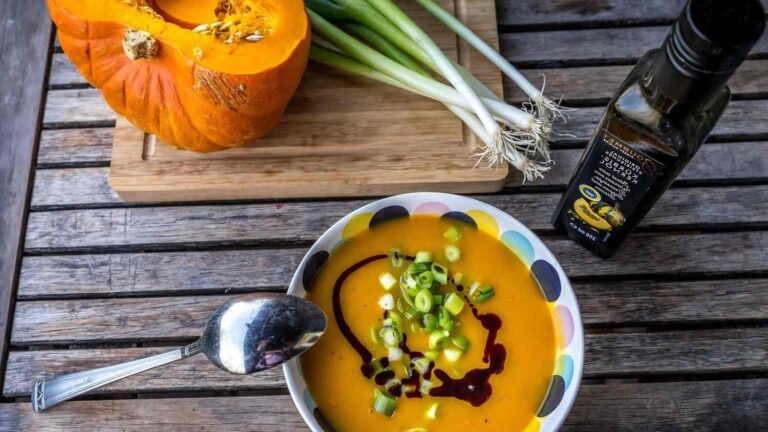
Culinary argan oil works best in smaller, more intentional moments. A drizzle over hummus, roasted squash, or a bowl of couscous can completely change the dish, but it’s not meant to carry the weight of everyday cooking the way olive oil does.
A practical approach many cooks land on is keeping both in the kitchen, using olive oil for the bulk of daily cooking and reserving argan oil for finishing touches where its distinct flavor can actually shine.
Which One Should You Choose?
Honestly, this isn’t really an either-or decision. Olive oil and culinary argan oil serve different roles, and most well-stocked kitchens benefit from having both on hand rather than picking a single winner.
If you’re cooking daily meals on a budget, olive oil is the more practical, versatile choice. If you’re looking to add a distinctive, nutty finishing touch to specific dishes and don’t mind paying a premium for it, culinary argan oil is worth the investment.
Final Thoughts
Comparing culinary argan oil to olive oil isn’t really about which one wins. It’s about understanding what each oil does well, and using it accordingly.
Olive oil earns its everyday spot through versatility, affordability, and a flavor that works across countless dishes. Culinary argan oil earns its place through a distinctive taste and a story rooted in Moroccan tradition, best saved for the moments where a little goes a long way.
This article is for general informational purposes and isn’t a substitute for professional dietary or medical advice.