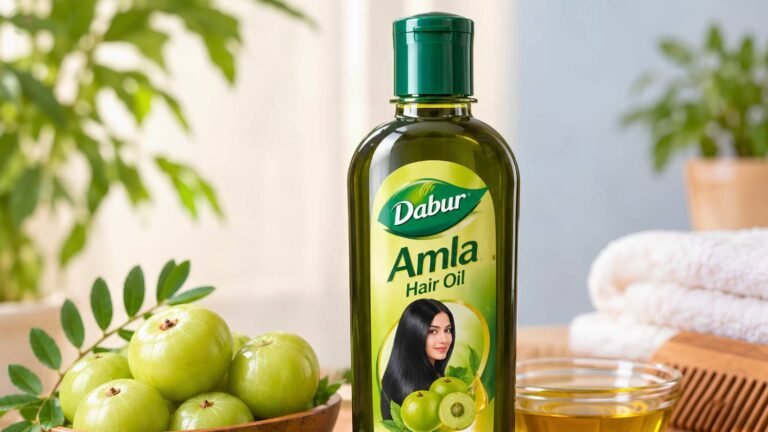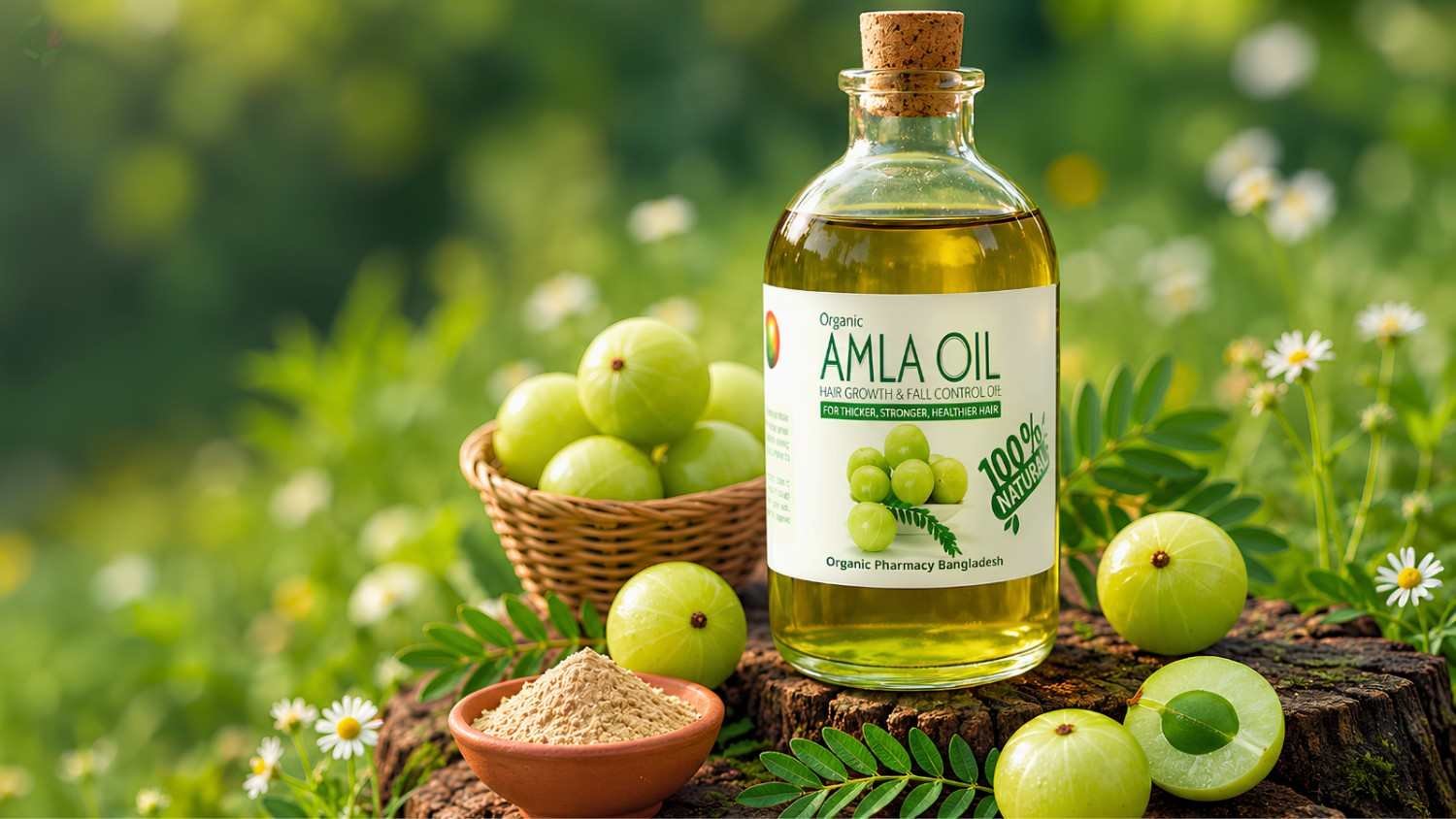
Scroll through any natural hair care shelf, and you’ll notice something. Regular amla oil sits next to a pricier “organic” version, and it’s fair to wonder what you’re actually paying extra for.
Organic amla oil for hair has become one of the most searched-for natural remedies among people trying to avoid synthetic additives in their hair care routine. Before you add one to your cart, it’s worth understanding exactly what makes it different, and whether that difference is worth the price gap.
What Makes Organic Amla Oil for Hair Different From Regular Amla Oil?
The word “organic” isn’t just a marketing label, at least when it’s used correctly.
It refers specifically to how the amla fruit, or Indian gooseberry, was grown, without synthetic pesticides, chemical fertilizers, or genetically modified inputs.
Regular amla oil can still be effective, but it may involve amla grown with conventional farming methods, and the extraction process may include additives, fragrances, or mineral oil fillers to cut production costs.
Organic amla oil, when properly certified, avoids all of that, relying on the fruit’s natural properties without added chemical interference.
This matters more than it might seem. Since amla oil is applied directly to your scalp, an area with thinner skin and higher absorption than most parts of the body, what’s actually in the bottle carries more weight than it would in a rinse-off product.
Why the Extraction Method Matters Just as Much
Being organic addresses how the amla was grown, but it doesn’t automatically guarantee how the oil was extracted.
This is where cold-pressed organic amla oil stands apart from heat-processed versions.
Cold-pressing keeps temperatures low during extraction, which helps preserve heat-sensitive compounds like vitamin C and certain antioxidants.
Heat-based extraction, by contrast, is faster and cheaper, but it can degrade some of the very nutrients people are buying amla oil for in the first place.
The best organic amla oils typically combine both qualities: organically grown amla, extracted through a cold-pressed or minimally processed method, with no added synthetic fragrance or preservatives.
The Real Benefits of Organic Amla Oil for Hair
Once you strip away the marketing, the core benefits of organic amla oil come down to a few well-supported traditional uses, all rooted in the fruit’s natural nutrient profile.
A Cleaner Source of Vitamin C and Antioxidants
Amla is naturally one of the richest plant sources of vitamin C, and organic cultivation helps preserve the integrity of that nutrient by avoiding chemical residues that can interfere with the fruit’s natural compounds.
This vitamin C, along with plant polyphenols, is closely tied to the oil’s reputation for supporting scalp health.
Gentler on Sensitive Scalps
Because organic amla oil skips synthetic pesticide residues and often avoids added fragrance, it tends to be a safer choice for people with sensitive skin or scalp conditions like eczema or contact dermatitis.
Fewer added chemicals generally means fewer potential irritants.
Supports Natural Hair Strength Over Time
Traditionally, amla oil is used to strengthen the hair shaft and reduce breakage, largely due to the gallic acid and tannins naturally present in the fruit.
An organic, minimally processed oil is more likely to retain these compounds at meaningful concentrations compared to a diluted, heavily processed version.
A More Traditional Match for Ayurvedic Use
Ayurvedic hair care has relied on amla in its natural, unadulterated form for centuries, long before synthetic pesticides or industrial processing existed. Choosing organic amla oil is arguably the closest modern equivalent to how the remedy was traditionally prepared and used.
How to Use Organic Amla Oil for Best Results
Getting results from organic amla oil depends more on consistency than on any single application. A simple, effective routine looks like this:
- Warm a small amount of oil between your palms or in a bowl of warm water, avoiding direct heat that could degrade its nutrients.
- Massage into the scalp for 5 to 10 minutes using circular motions to improve blood circulation.
- Work the remaining oil through your hair, focusing on dry ends rather than the roots if your scalp tends to get oily quickly.
- Leave it on for at least 30 minutes, or overnight for a deeper treatment.
- Wash out with a mild, sulfate-free shampoo to avoid stripping the oil’s benefits along with the residue.
Using organic amla oil two to three times a week, over a period of several weeks, gives a more realistic picture of results than a single application ever could.
Is Organic Amla Oil Worth the Higher Price?
This depends largely on your priorities. If you’re someone who’s generally cautious about pesticide exposure, synthetic additives, or you have a sensitive scalp, the price difference is a reasonable trade-off for a cleaner, more traditional product.
If budget is your main constraint and you don’t have particular sensitivities, a well-reviewed regular amla oil from a reputable brand can still offer meaningful benefits, just without the certification and farming guarantees that come with the organic label.
How to Spot Genuinely Organic Amla Oil
Unfortunately, “organic” is a term that gets loosely applied by some brands without real certification behind it. A few things to check before buying:
- Certification marks from recognized bodies (such as USDA Organic or India Organic), rather than just the word “organic” printed on the label.
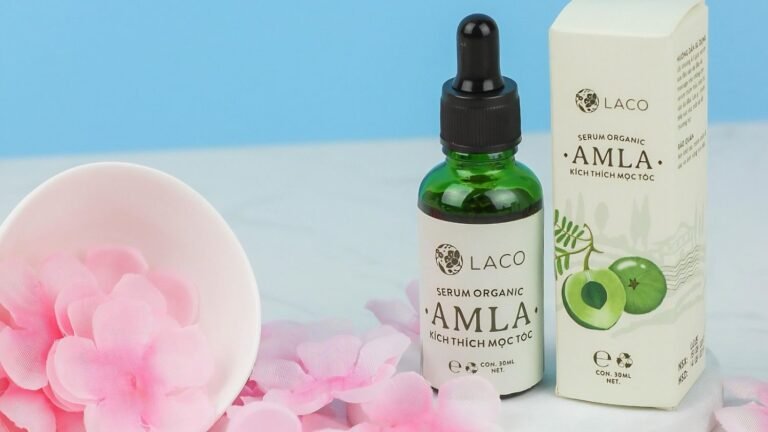
- Ingredient list transparency — a genuinely organic, pure amla oil should have a short ingredient list, ideally just amla extract and a carrier oil.
- Color and scent — authentic amla oil typically has a natural, slightly nutty or earthy scent and a greenish or amber tint, not something artificially fragranced.
- Sourcing information — reputable brands are usually upfront about where and how their amla is grown and processed.
Final Thoughts
Organic amla oil for hair isn’t a completely different product from regular amla oil, but it does represent a cleaner, more traditional version of it, free from synthetic pesticides, chemical fillers, and unnecessary additives. For people with sensitive scalps or a general preference for chemical-free products, it’s a worthwhile upgrade.
As with any natural remedy, the real results come from consistent, correct use over time, not from the word “organic” on the label alone.
This article is for general informational purposes and isn’t a substitute for professional dermatological advice. If you have a scalp condition or known allergies, patch-test any new oil before regular use.