Argan oil’s reputation for shine and frizz control is well established, but a lot of people specifically searching for it are asking a different question: can it actually help hair grow? Here’s an honest, research-informed look at whether argan oil for hair growth claims actually hold up.
Where Argan Oil Comes From, and Why That Matters for Growth Claims
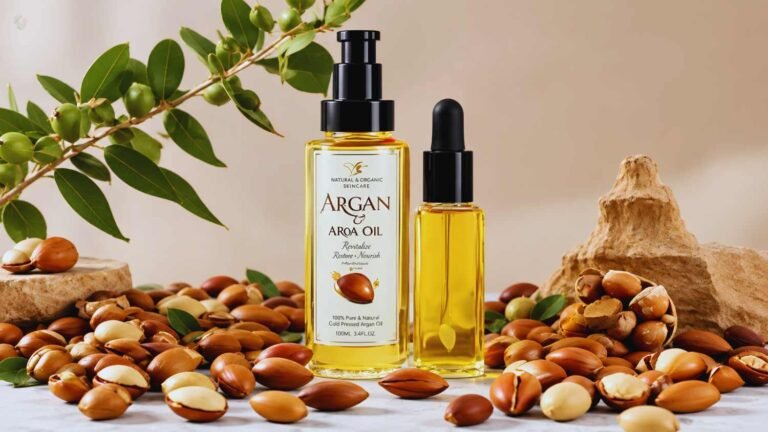
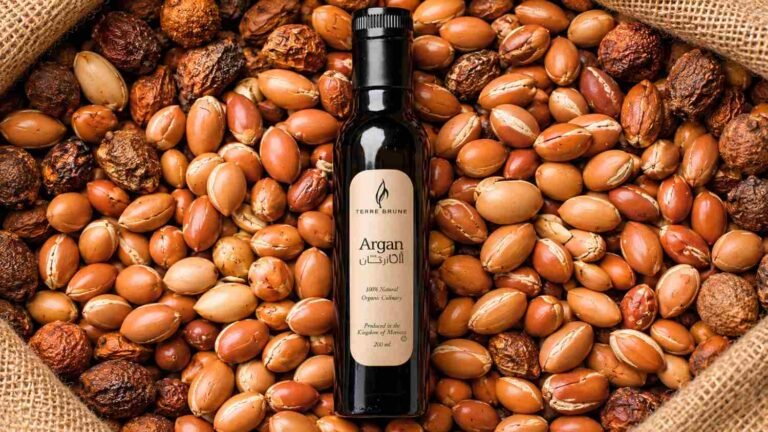
Argan oil is pressed from the kernels of the argan tree, a species found almost exclusively in Morocco’s Souss Valley. This limited growing region, protected as a UNESCO Biosphere Reserve, is part of why authentic argan oil is more expensive than many other natural hair oils, and part of why quality varies so much between products marketed for hair growth.
For hair care, cold-pressed, unroasted argan oil is used, retaining a concentration of vitamin E, oleic acid, linoleic acid, and polyphenol antioxidants that’s central to any discussion of its effect on hair.
Does Argan Oil Directly Grow Hair Faster?
This is the honest, sometimes disappointing answer: there’s no strong clinical evidence that argan oil directly stimulates new hair growth or speeds up the natural growth cycle. Ingredients with more established growth-stimulating research, like minoxidil or rosemary oil, work through mechanisms argan oil simply isn’t formulated to replicate.
What argan oil does instead is support the conditions that allow existing hair to grow longer without interruption, which is a meaningfully different, but still valuable, mechanism.
How Argan Oil Actually Supports Longer, Healthier Hair
Argan Oil for Hair Growth: Reduces Breakage Through Moisture Retention
Argan oil’s fatty acid content helps hair retain moisture, and well-hydrated hair is significantly more flexible and less prone to snapping during brushing, styling, or everyday manipulation. Since hair growth is only visible once it survives long enough to be noticed, reducing breakage is one of the most practical ways an oil can appear to “help hair grow.”
Vitamin E’s Role in Scalp Health
Vitamin E is a fat-soluble antioxidant that helps protect cells from oxidative stress, including the cells within hair follicles. A scalp under less oxidative strain is generally considered a healthier environment for consistent hair growth, though this remains an area of ongoing research rather than settled science.
Improved Elasticity Reduces Styling Damage
Regular use of argan oil is associated with improved hair elasticity, meaning hair can stretch and return to shape without snapping. This matters most for people who color, heat-style, or chemically treat their hair regularly, since these processes are common causes of length loss that gets mistaken for slow growth.
A Calmer Scalp Supports Consistent Follicle Function
Massaging argan oil into the scalp, separate from the oil’s chemical properties, stimulates blood flow through the physical act of massage itself. Combined with argan oil’s soothing effect on dry or flaky scalp skin, this creates a more stable environment for hair follicles to function without added stress.
Argan Oil vs Other Oils Marketed for Hair Growth
Rosemary oil currently has the strongest research backing for hair growth specifically, with several small clinical studies comparing it favorably to low-dose minoxidil. Castor oil is popularly associated with growth, though its evidence is largely anecdotal and tied more to scalp moisturizing than a direct growth mechanism.
Argan oil sits in a similar category to castor oil in this respect: strong for supporting hair health and reducing breakage, but not currently backed by the same level of direct growth-stimulating research as rosemary oil or established treatments like minoxidil.
How to Use Argan Oil for Hair Growth: A Simple Routine
Since argan oil’s real value lies in retention and scalp support rather than direct stimulation, using it correctly and consistently matters more than using large amounts.
- Massage a small amount into the scalp for 3 to 5 minutes, using gentle circular motions to encourage blood flow.
- Apply a light layer through the mid-lengths and ends to reduce breakage from daily manipulation.
- Use it as a pre-wash treatment on dry hair, 20 to 30 minutes before shampooing, to protect against the drying effects of washing.
- Combine it with a proven growth-support ingredient, such as rosemary oil, for a more comprehensive routine rather than relying on argan oil alone.
Consistency matters more than quantity. Most people need several weeks to a few months before noticing meaningfully less breakage and improved length retention.
Realistic Expectations
If you’re hoping argan oil alone will produce dramatic new hair growth, it’s worth adjusting those expectations. What it reliably offers is a supporting role: reduced breakage, improved elasticity, and a better-conditioned scalp, all of which help the hair you already have grow out successfully rather than breaking off partway.
For anyone dealing with more significant hair thinning or loss, it’s worth consulting a dermatologist to rule out underlying causes like hormonal imbalances, nutrient deficiencies, or scalp conditions that a topical oil alone won’t address.
Final Thoughts
Argan oil isn’t a hair growth stimulant in the same sense as clinically studied treatments, but it plays a genuinely useful supporting role by reducing breakage, retaining moisture, and calming the scalp, all of which help hair retain the length it’s already grown. Paired with realistic expectations and, ideally, a more targeted growth ingredient like rosemary oil, argan oil remains a worthwhile addition to a length-retention routine.
This article is for general informational purposes and isn’t a substitute for professional dermatological advice. If you’re experiencing significant hair thinning or loss, consult a dermatologist to identify the underlying cause.