Best Oil for Locs: Jojoba Oil Benefits, How to Use It & Mistakes to Avoid

Jojoba oil for locs is a favourite among loc wearers who want moisture without heaviness. Locs dry out easily because natural scalp oil has a hard time travelling down tightly coiled, matted strands, and once the lengths get dry they start to feel rough, look dull and snap more easily at the ends. Jojoba is light, closely resembles the skin’s own oil and rarely weighs hair down. Here is how to get the benefits of jojoba oil for locs without buildup.

Why Jojoba Oil Works Well for Locs
Locs are also called dreadlocks, and the same care rules apply — jojoba oil suits both, because it is light, absorbs well, and does not leave the heavy buildup that thicker oils can leave in locked hair. Jojoba oil is technically a liquid wax ester, not a true oil. Its structure is similar to sebum, the natural oil your scalp makes, which is why it absorbs well and does not sit on the surface feeling greasy. That similarity is why jojoba oil for locs works so well in particular: heavy butters and thick oils tend to coat the outside of a loc and trap lint, dust and product residue inside it. Jojoba spreads thin, sinks in, and leaves far less behind.
One thing worth understanding before you start: jojoba oil for locs works as a sealant, not a moisturiser on its own. Oil contains no water, so it cannot hydrate dry hair by itself. What it does well is lock in the water that is already there, which is why every method in this guide starts with damp hair or a light mist. Used that way, a few drops go a long way. Used on bone-dry locs, even jojoba will just sit there and attract dust.
It also keeps well. Jojoba resists going rancid far longer than delicate oils, so a bottle lasts months in a cool, dark place with the cap closed. If you want the full background on the oil itself, read our jojoba oil benefits and uses guide.
Benefits of Jojoba Oil for Locs
Most loc wearers reach for jojoba oil for locs for one reason — it solves dryness without creating a second problem. In practice the benefits stack up like this. It eases scalp dryness and flaking between washes, because the scalp gets a light layer of something close to its own oil. It keeps the locs feeling soft rather than stiff, which means less brittleness and fewer broken ends when you style or retwist. It is light enough that it rarely leaves residue, unlike butters and heavy sealing oils that build up wash after wash. It has a long shelf life, so you are not throwing away half-used bottles. And it is gentle: used on its own, jojoba is rarely irritating, which makes it a safe first choice for sensitive scalps. People with colour-treated locs also tend to like it, since it adds shine without dulling the colour the way waxy products can.
How to Use Jojoba Oil for Locs at the Starter Stage
New locs are fragile and still forming. Heavy products can stop them from tightening and cause slippage, where the hair slides back out of the forming loc. That is why the starter stage calls for restraint. Apply only a few drops of jojoba oil for locs to the scalp, massage gently with your fingertips, and avoid soaking the lengths. Do not twist with oil every day — over-manipulation is what unravels young locs, not the oil itself. Wash regularly with a residue-free shampoo to keep the scalp clean, and let your loctitian’s retwist schedule guide how often you touch them. If your starter locs feel dry between washes, a light water mist followed by one or two drops of jojoba oil for locs on the scalp is plenty.
How to Use Jojoba Oil for Locs Once They Are Mature
Mature locs can take a little more, but the method still matters more than the amount. Work in this order and you will use less jojoba oil for locs with better results:
- Mist your locs lightly with water or a water-based spray first. Damp, not dripping, is the target.
- Warm 5 to 10 drops of jojoba between your palms. Long, thick locs may need a few more; fine or short locs need fewer.
- Apply to the scalp by parting between the locs, a section at a time, rather than pouring oil over the top.
- Roll each loc gently between your palms to coat the length lightly. You are sealing, not saturating.
- Pay attention to the ends, where locs dry out the most and where breakage usually starts.
Two to three times per week is enough for most people. At night, a satin scarf or bonnet does as much for moisture as any product — cotton pillowcases pull moisture out of locs while you sleep, and no oil can make up for that. If your locs start feeling coated or look dull, that is your sign to clarify rather than add more oil.

How to Use Jojoba Oil for Locs for a Scalp Massage
Massage for three to five minutes with your fingertips, not your nails. Work in small circles across the scalp, parting between locs as you go, and keep the pressure comfortable — you are loosening dry flakes and spreading the oil, not scrubbing. Scalp massage supports circulation and helps the oil reach the skin instead of sitting on top of the locs. If your scalp feels tight or itchy between washes, a short jojoba oil for locs massage like this two or three times a week is often enough to settle it. If you want a stronger sealing oil for the lengths afterwards, compare it with the blend in our guide to coconut oil and Jamaican black castor oil.
How Often Should You Oil Your Locs?
There is no single schedule, because scalps differ. As a starting point: oily scalps usually do well with once a week, normal scalps with two to three times a week, and dry scalps with every other day at most. The signs tell you more than any calendar. Locs that feel soft, look shiny without looking wet, and do not collect lint are getting enough. Locs that feel coated, attract dust, or smell stale are getting too much — clarify with a residue-free shampoo and cut back. Locs that feel rough, snap at the ends, or itch constantly are probably getting too little water, not too little oil; in that case mist more and oil the same or less. And if itching comes with thick flakes, redness or soreness that does not settle, see a doctor or dermatologist rather than adding more products.
How to Pick a Good Jojoba Oil
The bottle matters as much as the method when you buy jojoba oil for locs. Look for 100 percent pure, cold-pressed jojoba with a single ingredient on the label: Simmondsia chinensis. Avoid blends that list mineral oil, silicones or fragrance high up the ingredients — those are the products that cause buildup and make people blame jojoba itself. A dark glass bottle protects the oil from light, and a dropper or pump cap helps you dose in drops instead of pouring. Price is a weak guide on its own: pure jojoba is not a luxury oil, so a very expensive bottle is usually paying for packaging, not quality.
Jojoba Oil vs Other Oils for Locs
Castor oil is thicker and more sealing, which some people love for the ends, but it is far more prone to buildup and much harder to wash out of locs. Argan oil is smooth and shiny and works well as a finishing oil; if you have textured hair generally, our guide to argan oil for black hair covers how it behaves on coily hair. Coconut oil can make some locs feel stiff rather than soft, especially in cool weather when it solidifies. Shea butter is very sealing but is one of the worst offenders for residue inside locs — compare it properly in shea butter vs coconut oil before choosing. Jojoba oil for locs sits in the middle of all of these: lighter than castor and shea, less stiff than coconut, and easier to wash out than all three. That is why it works as the everyday oil, with heavier oils kept for occasional sealing rather than daily use. If you are deciding between a leave-in and an oil for your routine, our hair oils vs leave-in conditioner comparison explains when each one earns its place.
Other Oils That Work Well for Locs
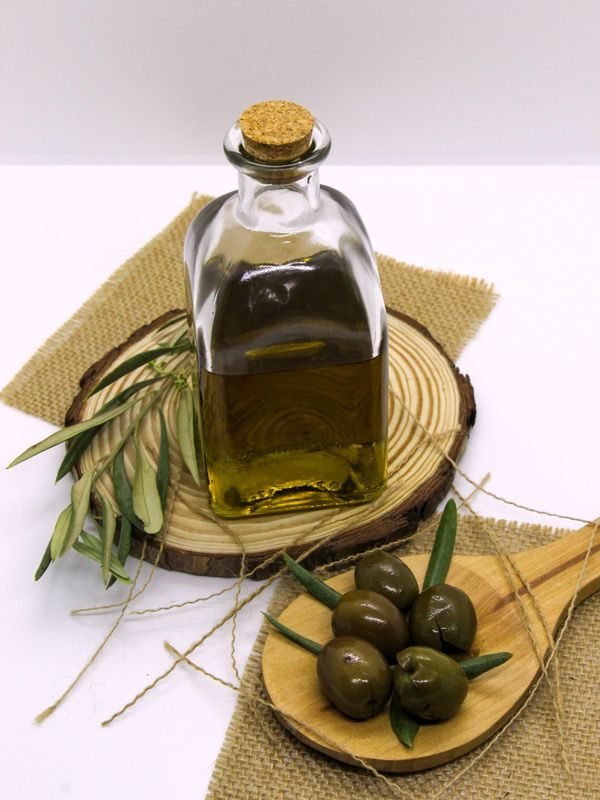
Jojoba is a safe everyday choice, but it is not the only oil loc wearers use. Here are seven others worth knowing, briefly. Coconut oil seals well but can feel stiff in cool weather, so it suits the lengths more than daily scalp use. Castor oil, including Jamaican black castor oil, is thick and sealing and is best kept for the ends and occasional use, because it is hard to wash out of locs. Olive oil is heavier than jojoba and works well as an occasional deep-conditioning oil. Argan oil is light and smooth and works well as a finishing oil for shine. Avocado oil is rich and softening and suits dry, coarse locs. Sweet almond oil is light, absorbs easily and is a gentle everyday alternative. Grapeseed oil is one of the lightest options and rarely leaves residue, which makes it a good choice for fine locs. Keep the rule the same for all of them: a few drops on damp hair, heavy oils only occasionally, and wash regularly so nothing builds up inside the locs.
Mistakes to Avoid
- Overapplying. Too much jojoba oil for locs traps lint and dirt inside locs, and lint is very hard to remove once it is locked in.
- Skipping shampoo. Oil alone does not clean the scalp. Product, sweat and dead skin still need washing out.
- Oiling a dirty scalp. Adding oil on top of buildup seals the dirt in. Wash first, then oil.
- Using it on dry locs only. Water first, oil second — always.
- Choosing a fake jojoba blend. Look for 100 percent pure, cold-pressed, single-ingredient oil.
- Mixing in wax-heavy products. Gels and waxes combined with oil are the fastest route to buildup in locs.
Frequently Asked Questions
Does Jojoba Oil Make Locs Grow Faster?
No oil changes your growth rate. Jojoba oil for locs supports a healthy scalp and reduces breakage, which means you keep more of the length you grow — but the growth itself comes from genetics, nutrition and overall health, not from a bottle.
Can I Use Jojoba Oil On A Dry Scalp With Dandruff?
It may help if the flakes are simply from dryness. But dandruff has other causes, including fungal ones, and oil can make some of those worse. If flaking persists, spreads, or comes with redness, see a doctor instead of trying stronger oils.
Can I Add Essential Oils?
You can, in tiny amounts — a drop or two of rosemary or tea tree per tablespoon of jojoba is the usual range — but patch test first on a small area of skin, and avoid strong blends on a sensitive or broken scalp. If you want to pair oils, our guide to argan oil and jojoba oil together shows a combination that works well without buildup.
Can I Use Jojoba Oil On My Locs Every Day?
You can use jojoba oil for locs every day, but most people do not need to. Daily use makes sense only if your scalp is very dry or you live in a harsh climate — and even then, keep it to a drop or two on the scalp, not a full application. For most loc wearers, two to three times a week gives the same result with far less buildup risk.
The Bottom Line
Jojoba oil for locs delivers light, steady moisture without the weight that causes buildup. Use a small amount on a clean, damp scalp, mist before you oil, and let your locs tell you whether they need more or less. Done that way, your locs stay soft, shiny and light — and you stop fighting the lint and residue that heavier oils leave behind.