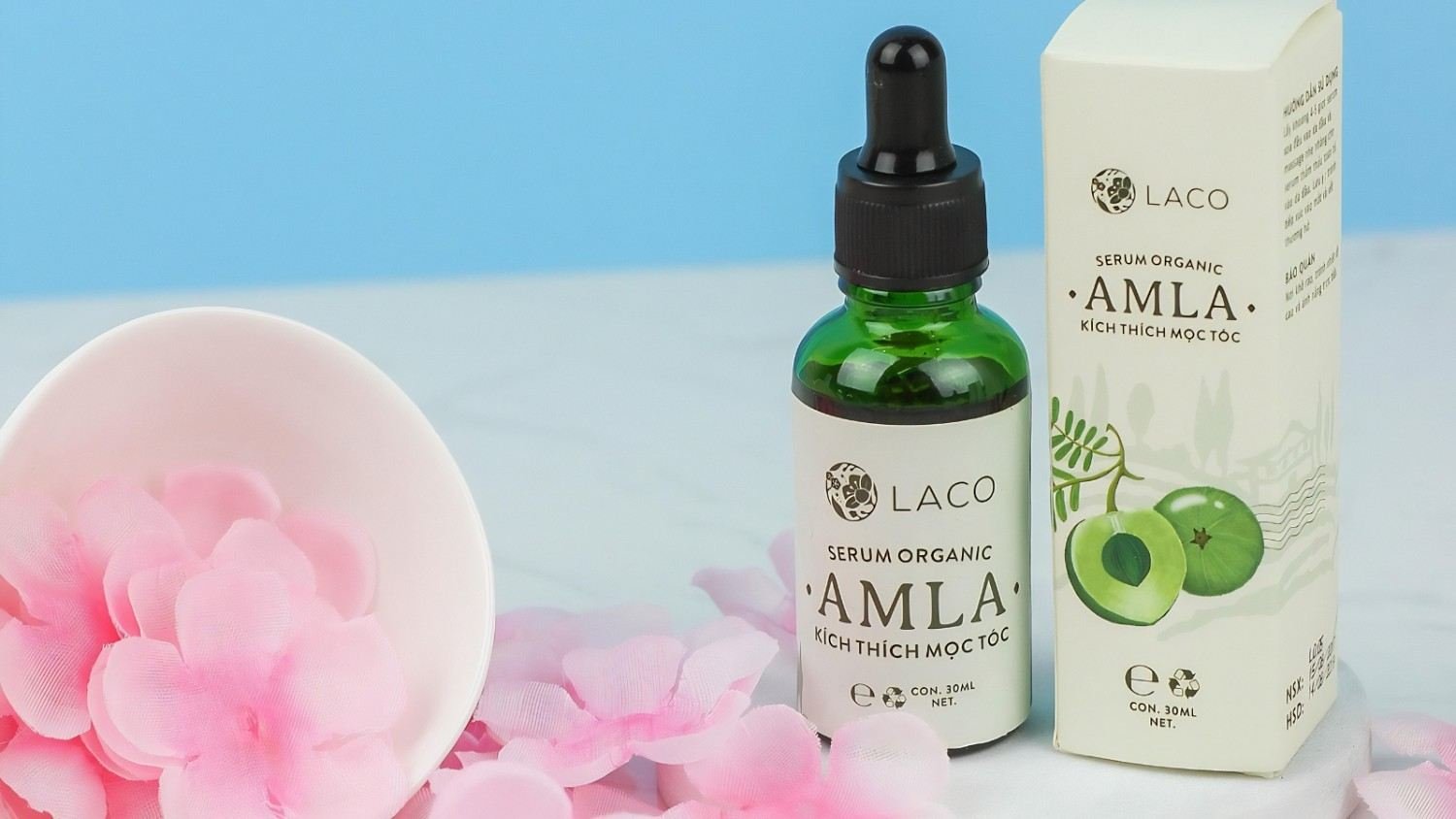
Walk into any hair care conversation in South Asia, and these two oils come up almost immediately.
Amla oil and coconut oil are both staples of traditional hair care, and one of the most common questions people ask isn’t just which one is better, but whether you can mix amla and coconut oil together in the first place.
Here’s an honest, practical comparison of the two, plus how to combine them if that’s what your hair actually needs. Lets start amla oil vs coconut oil.
Amla oil vs coconut oil, Where Each Oil Comes From
Coconut oil is extracted from the meat of mature coconuts, and it’s been a kitchen and hair care staple across South Asia, Southeast Asia, and the Pacific Islands for centuries.
It’s one of the most widely produced and studied natural oils in the world.
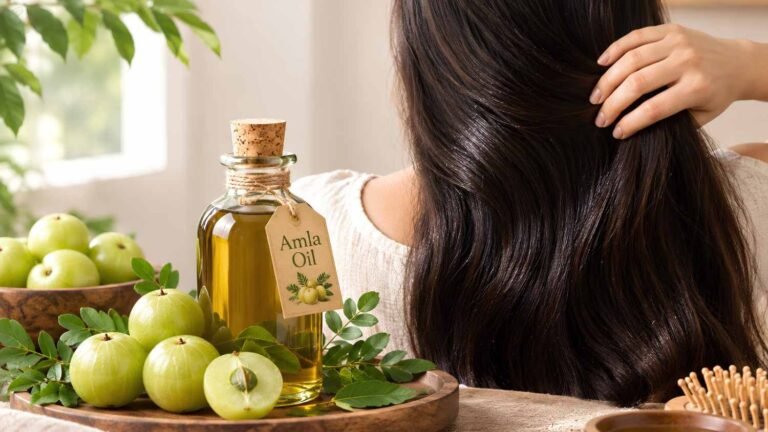
Amla oil, by contrast, is made by infusing Indian gooseberry, also known by its botanical name Phyllanthus emblica, into a carrier oil, often coconut oil itself.
This means many commercial amla coconut hair oils are technically amla-infused coconut oil, rather than a completely separate base, which is exactly why so many people search for amla and coconut oil together instead of treating them as competitors.
Nutritional and Chemical Differences
Coconut oil is rich in medium-chain fatty acids, particularly lauric acid, which is part of what gives it a unique ability to penetrate the hair shaft rather than just coat the surface.
This is backed by hair fiber research showing coconut oil reduces protein loss from hair more effectively than mineral oil or sunflower oil, largely due to lauric acid’s small molecular structure.
Amla oil brings a different strength to the table: vitamin C, antioxidants, and plant compounds like gallic acid and polyphenols, absorbed from the Indian gooseberry infused into the base oil.
These compounds are associated with scalp health, collagen support, and reducing oxidative stress, rather than the deep shaft penetration coconut oil is known for.
In short, coconut oil is prized for its structural, protective qualities, while amla oil is valued more for its nutrient and antioxidant contribution to the scalp and hair.
Is Amla Oil or Coconut Oil Better for Hair Growth?
This is the question most people are really asking, and the honest answer is that neither oil “grows” hair in a dramatic, direct sense
. What they do is create better conditions for the hair you already have to stay strong and avoid unnecessary breakage.
Coconut oil’s strength lies in prevention, specifically, preventing protein loss and reducing damage from washing and daily manipulation.
Less breakage naturally allows hair to retain length over time, which often gets interpreted as “faster growth.”
Amla oil’s contribution leans more toward the scalp itself. Traditionally, and to some extent supported by its antioxidant profile, it’s used to nourish hair follicles and maintain a healthier scalp environment, which is a foundational factor in sustained, healthy hair growth over time.
Can You Mix Amla Oil and Coconut Oil?
Yes, and in traditional practice, this is actually the more common approach rather than the exception. Since most commercial amla oil already uses coconut oil as its base, combining the two at home is simply an extension of the same idea, just with more control over the ratio and freshness.
Mixing amla and coconut oil for hair typically means combining the deep-conditioning, shaft-penetrating benefits of coconut oil with the scalp-nourishing, antioxidant-rich properties of amla, rather than choosing one over the other.
How to Make Amla Coconut Oil at Home
If you’d rather prepare your own amla coconut hair oil instead of buying a commercial version, the traditional method is straightforward:
- Dry amla pieces or use amla powder. Fresh amla can be sliced and left to dry, or you can use store-bought dried amla or amla powder directly.
- Heat coconut oil gently. Warm a cup of coconut oil in a pan over low heat, avoiding high temperatures that can degrade its quality.
- Add the amla. Add the dried amla pieces or amla powder to the warming oil and let it simmer gently for 10 to 15 minutes, until the oil darkens slightly and takes on a faint amla aroma.
- Strain and cool. Strain out the solids once the mixture has cooled, and store the infused oil in a clean, airtight container.
Some people also add curry leaves to this mixture, since curry leaves and amla are traditionally combined in the same infused coconut oil for an added scalp-nourishing boost.
Amla Powder and Coconut Oil: A Simpler Alternative
If infusing oil feels like too much effort, mixing amla powder directly with coconut oil is a simpler, faster option that many people prefer for a quick hair mask.
A Simple Amla Powder and Coconut Oil Hair Mask
- Mix one to two tablespoons of amla powder with two to three tablespoons of warmed coconut oil until you get a smooth, spreadable paste.
- Apply the mixture directly to your scalp and through the length of your hair.
- Leave it on for 30 minutes to an hour, then wash out thoroughly with a mild shampoo, since amla powder can leave a residue if not rinsed properly.
This combination is one of the most searched-for hair mask recipes in natural hair care, largely because it’s simple, affordable, and uses ingredients most households already have.
Amla and Coconut Oil for Grey Hair
This is one of the more specific reasons people look into combining these two oils. Amla has a long-standing reputation in Ayurvedic practice for helping slow premature greying and support natural hair pigment.
Coconut oil doesn’t carry the same pigment-related reputation, but its moisturizing properties help grey or coarse hair, which tends to run drier, look shinier and feel healthier.
Together, the combination is often used specifically by people trying to manage early greying naturally, rather than through chemical dyes.
Texture, Absorption, and Everyday Feel
Pure coconut oil is solid at room temperature and melts on contact with body heat, giving it a rich, heavy texture that some people find too greasy for regular daytime use, especially in humid climates.
Amla oil, particularly when blended into a lighter carrier oil, tends to feel a bit less heavy, though this varies significantly by brand and formulation. If you have fine or low-porosity hair, this difference in texture can matter quite a bit when deciding how often to apply either one.
Which Oil Should You Choose?
If your main concern is dryness, breakage, or protein loss, especially from heat styling or chemical treatments, coconut oil’s proven ability to penetrate the hair shaft makes it a strong, evidence-backed choice on its own.
If your main concern is scalp health, premature greying, or you want an antioxidant-rich addition to your routine, amla oil is the more targeted option. And if you’re not sure which single benefit matters most to you, mixing amla and coconut oil, whether through a homemade infusion or a simple powder-and-oil mask, gives you a bit of both in one routine.
Final Thoughts
Amla oil and coconut oil aren’t really competitors, they’re more like teammates that happen to get compared a lot because they’re so often used side by side, or directly mixed, in traditional hair care. Coconut oil brings structural, damage-preventing strength, while amla contributes scalp nourishment and antioxidant support, whether used as an infused oil, mixed fresh, or applied as a powder-based mask.
Rather than picking a single winner, most people get the best results by understanding what each ingredient actually does and combining them based on what their hair specifically needs at any given time.
This article is for general informational purposes and isn’t a substitute for professional dermatological advice. If you have a scalp condition or sensitive skin, patch-test any new oil or mask before regular use.