Argan Oil vs Other Oils: Which One Is Right for Your Hair and Skin?
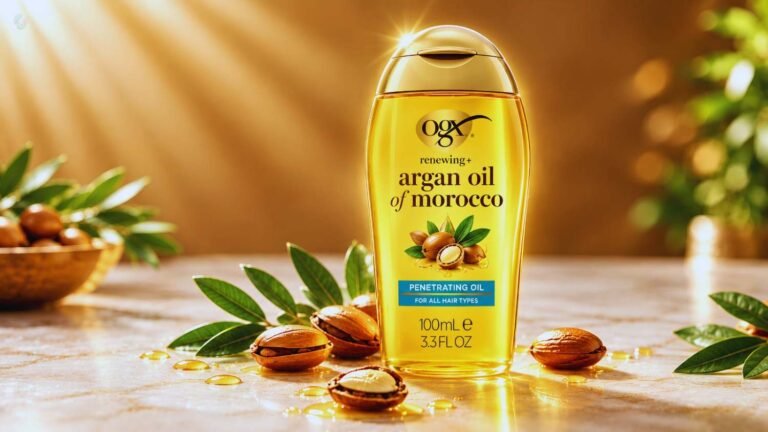
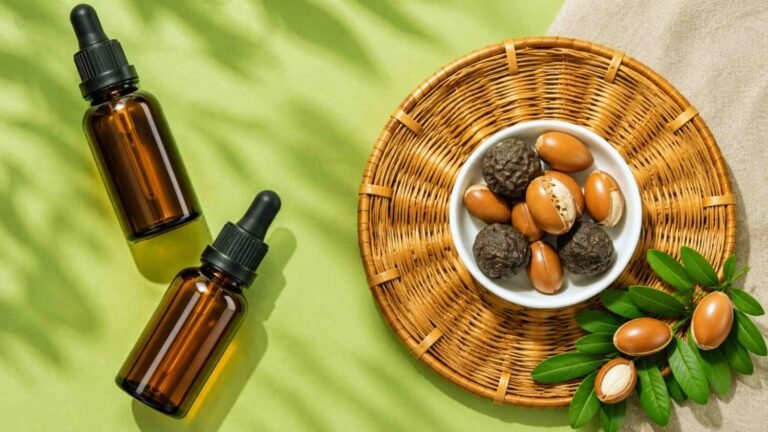
Argan oil has earned its place in hair care for good reasons. It is light for an oil, it smooths frizz, it adds shine without leaving hair feeling coated, and it works well as a finishing oil after washing and styling. But that does not make it the right oil for every job. Some oils penetrate the hair shaft better, some are better for the scalp, some seal moisture more strongly, and some are simply better value for a weekly deep treatment.
This hub for argan oil vs other oils saves you from reading ten long comparisons before you know which one matters to you. Each section gives a short verdict, then links to the full head-to-head guide for the detail. Nothing here repeats those full comparisons. Use this page to narrow the field, then follow the link that matches your hair, your scalp, or your goal.
One honest point up front: no carrier oil, argan included, directly grows new hair. What oils can do is reduce breakage, smooth the cuticle, protect hair during washing and heat styling, and support a comfortable scalp. When breakage drops, length is easier to keep, and that is often what people mean when they say an oil helped their hair grow.
How to Read Argan Oil vs Other Oils Comparisons
Most confusion about argan oil vs other oils comes from comparing oils on the wrong measure. An oil can be excellent and still lose a particular comparison, because the job matters more than the bottle.
First, penetration versus coating. Coconut oil is unusual because its lauric acid can penetrate the hair shaft and reduce protein loss during washing. Argan oil works mainly at the surface: it smooths the cuticle, adds slip and shine, and helps hair feel softer. Penetration matters most for damaged, porous hair, while surface smoothing matters most for frizz, flyaways, and a polished finish.
Second, weight and feel. Jojoba oil is very light and close in character to the scalp’s natural sebum, so it rarely feels heavy. Castor oil sits at the other end: thick, sticky, and best diluted. Argan oil sits in the middle, light enough for most hair types as a finishing oil, yet rich enough to smooth coarse or curly hair. If an oil makes your hair flat or greasy, weight is usually the problem, not quality.
Third, where the oil sits in your routine. A pre-wash treatment, a scalp oil, and a post-wash finishing oil are three different jobs, and the best oil changes with each one. Coconut and castor oils often suit pre-wash or scalp work, where they can be washed out or used sparingly. Argan and jojoba oils often suit the finishing step, where a few drops on damp lengths and ends do the work without a second wash.
Argan Oil vs Jojoba Oil: The Verdict
Choose argan oil when your main goal is shine, frizz control, and a smooth finish, especially on dry, coarse, or heat-styled hair. Choose jojoba oil when your main concern is scalp balance, an oily scalp, or a very light feel on fine hair, since jojoba closely resembles the scalp’s natural sebum and rarely weighs hair down. Many people use both: jojoba for the scalp and argan for the lengths and ends. Read the full argan oil vs jojoba oil comparison for the detailed breakdown by hair type and routine.
Argan Oil vs Coconut Oil: The Verdict
Choose coconut oil when your hair is damaged, porous, or breaking and you want a pre-wash treatment that can penetrate the shaft and reduce protein loss. Choose argan oil when you want a lighter, everyday finishing oil for shine and frizz control without the heaviness coconut oil can bring, especially on fine or low-porosity hair. The practical split is simple: coconut oil before washing, argan oil after it. Read the full argan oil vs coconut oil comparison to see where each oil wins and where each one struggles.
Argan Oil vs Castor Oil: The Verdict
Choose argan oil for daily smoothing, shine, and easy application, since it spreads well and absorbs without stickiness. Choose castor oil only for targeted, occasional work, such as sealing ends or a weekly scalp treatment, and dilute it with a lighter oil first because its thick texture is difficult to spread and wash out on its own. Castor oil is a specialist, not an everyday finishing oil, and that is exactly why the two complement each other. Read the full argan oil vs castor oil comparison for application amounts, dilution, and who should skip castor oil.
Argan Oil vs Amla Oil: The Verdict
Choose argan oil when you want a light, modern finishing oil for frizz, shine, and heat-styled hair. Choose amla oil when you prefer a traditional scalp-focused oil, rooted in Ayurvedic hair care, and your priority is scalp conditioning and the overall feel of thicker, stronger-looking hair rather than a polished finish. The two oils come from different traditions and solve different problems, so this is less a contest than a choice of approach. Read the full amla oil vs argan oil comparison for the tradition, texture, and routine differences in detail.
Argan Oil vs Olive Oil: The Verdict for the Kitchen
This comparison is different from the rest on this page, because it is about cooking, not hair care. Culinary argan oil has a distinctive nutty flavour and a place in Moroccan cooking, while olive oil is the more versatile everyday cooking oil, with a milder flavour profile and a much lower price for regular use. If you are choosing an oil for the kitchen, flavour, smoke point, and cost matter more than anything you would look for in a hair oil, and cosmetic argan oil should not be used for cooking. Read the full culinary argan oil vs olive oil comparison before buying either for food use.
Argan Oil and Rosemary Oil for Hair Growth: A Pairing, Not a Rivalry
Argan oil and rosemary oil are not really competitors, because rosemary oil is an essential oil that must be diluted in a carrier oil before it touches the scalp, and argan oil is one of the carriers that can do that job well. The honest verdict is that rosemary oil is the active scalp ingredient in this pairing, while argan oil provides the light, non-greasy base that carries it and smooths the lengths at the same time. If your goal is scalp stimulation, the pairing matters more than either oil alone, and patch testing matters more than brand choice. Read the full guide to argan oil and rosemary oil for hair growth for dilution, frequency, and realistic expectations.
Related Comparisons That Help You Judge Coconut Oil
Argan oil vs other oils comparisons often turn on coconut oil, because coconut oil is the benchmark many readers already know. The four comparisons below do not feature argan oil directly, but they help you judge the oil argan is most often measured against, and they belong on this hub for that reason.
For a traditional-oil perspective, the verdict is that amla oil suits a scalp-focused routine, while coconut oil suits a strength-focused pre-wash routine, and the better choice depends on whether your priority is the scalp or the shaft. Read the full amla oil vs coconut oil comparison for that distinction in full.
For skin care, the verdict is that beef tallow is the richer, heavier option, best suited to very dry skin that needs a dense barrier, while coconut oil is lighter, plant-based, and easier to spread, though it can feel greasy and does not suit everyone. Read the full beef tallow vs coconut oil for skin comparison before choosing either for your face or body.
For skin and hair together, the verdict is that shea butter suits intensive moisture and sealing, especially on very dry skin and coarse hair, while coconut oil suits lighter conditioning and pre-wash hair care, though its weight can be a drawback on fine hair. Read the full shea butter vs coconut oil comparison to match each one to your skin and hair type.
Finally, if you already own both coconut oil and Jamaican black castor oil, the verdict is that mixing them can work, because the lighter coconut oil makes the thick castor oil easier to spread and wash out, but the blend is still a pre-wash or scalp treatment, not a daily finishing oil. Read the full guide on whether coconut oil and Jamaican black castor oil can be mixed for hair for ratios, application, and who should avoid the combination.
The One Angle Competitors Miss: A Three-Question Decision Framework
Most argan oil vs other oils articles end with a list of winners by category and leave you to guess how those winners fit together. This section offers something different: a short decision framework you can run in under a minute, before you buy anything. It does not replace the full comparisons above, but it tells you which one to open first.
Question one: what is the single job? Name it in one phrase before you shop. If the job is frizz and shine, start with argan oil. If the job is damage repair and strength, start with coconut oil as a pre-wash treatment. If the job is scalp comfort and balance, start with jojoba oil. If the job is sealing ends or a weekly scalp treatment, start with castor oil diluted in a lighter oil. If you cannot name one job, you do not need a new oil yet; you need to watch your hair for a week and notice whether it breaks, frizzes, feels dry, or feels greasy first.
Question two: what is your hair’s weight limit? Fine, low-porosity, or easily weighed-down hair has a low weight limit, so light oils used in tiny amounts on the lengths and ends are the safe starting point, and heavy pre-wash oils belong before shampooing, not after it. Thick, coarse, curly, or high-porosity hair has a higher weight limit, so richer oils and larger amounts are less likely to cause flatness. Porosity is a useful shortcut here: hair that soaks up water fast and dries fast usually tolerates richer oils, while hair that resists water and takes a long time to dry usually prefers lighter ones. When in doubt, start with two or three drops and add more only if the ends still feel rough.
Question three: where does the oil sit in your routine? This question alone prevents most disappointments. A pre-wash oil can be rich and generous because shampoo follows it. A scalp oil should be light, used sparingly, and washed out if your scalp is oily or prone to buildup. A finishing oil must be light, because nothing follows it except your day. An oil that fails as a finishing oil may succeed as a pre-wash oil, and an oil that feels perfect on the ends may be entirely wrong for the scalp. Judge each oil in the role you actually plan to use it for.
Once you have three answers, the framework gives you a routine, not just a product. A common two-oil routine pairs a weekly pre-wash treatment with a daily finishing oil: coconut oil before washing for strength, argan oil after washing for shine and frizz control. Another pairs jojoba oil for the scalp with argan oil for the lengths. A third keeps things simple: one light oil, used consistently for two weeks, before any second oil is added.
Run the test honestly. Use the same amount, in the same step, for two weeks, and note shine, softness, and weight after each wash. If shine and softness improve without added weight, the oil suits you. If hair feels heavier or greasier by week two, the oil is too heavy, too much, or in the wrong step. Changing the step is often more useful than changing the oil.
Argan Oil vs Other Oils by Hair Type
For fine hair, argan oil and jojoba oil are the safest starting points, used in two or three drops on damp mid-lengths and ends only, with the scalp left alone unless you are doing a targeted treatment. Coconut oil and castor oil can still work for fine hair, but they belong before shampooing or heavily diluted, because a finishing layer of either will usually flatten fine strands.
For dry, coarse, or curly hair, argan oil earns its reputation most clearly, smoothing frizz and adding shine without a coated feeling. Coconut oil and olive oil also suit this hair type as pre-wash treatments, where shampoo removes the excess. Curly hair often benefits from two steps: a richer oil before washing, then argan oil after washing to define and smooth.
For damaged or colour-treated hair, the priority is reducing further breakage, so a penetrating pre-wash oil such as coconut oil often matters more than a finishing oil, even though argan oil remains useful for smoothing and heat-styling protection. For an oily scalp, keep oil off the scalp and roots, use a light oil on the ends only, and let jojoba oil be your first choice if a scalp oil is needed at all.
For skin, the same weight logic applies: argan oil suits most skin types as a light oil, while coconut oil, shea butter, and beef tallow grow progressively richer, suiting drier skin. Patch test any new oil on a small area first, especially on the face or a sensitive scalp.
Common Mistakes in Argan Oil vs Other Oils Choices
The most common mistake is using too much. Oils are concentrated, and the difference between two drops and six drops is often the difference between shine and greasiness. Start small, warm the oil between your palms, and apply to damp hair, which spreads oil more evenly than dry hair. The second mistake is applying oil to the scalp when the problem is in the lengths. Dry ends do not need a scalp massage, and an oily scalp does not need more oil at the roots.
The third mistake is expecting one oil to do everything. No single oil penetrates like coconut oil, balances the scalp like jojoba oil, seals like castor oil, and finishes like argan oil all at once. Blending or rotating oils by role is how most experienced users actually get results. The fourth mistake is judging an oil after one use: buildup, scalp comfort, and breakage only reveal themselves over a couple of weeks.
Finally, check what you are actually buying. Pure argan oil should list argan oil as the only ingredient, or as the clear main ingredient, while products labelled as argan-infused may contain very little of it. A dark glass bottle, a cold-pressed label, and a short ingredient list are practical checks, not guarantees, but they filter out the most diluted products quickly.
Frequently Asked Questions About Argan Oil vs Other Oils
Is argan oil better than coconut oil?
Neither is better in general. Argan oil is better for shine, frizz control, and everyday finishing, while coconut oil is better for pre-wash strength and reducing protein loss in damaged hair. The right answer depends on the job, your hair type, and where the oil sits in your routine, which is why many people use both in different steps.
Can I mix argan oil with other oils?
Yes, and mixing is often the most practical approach. A light oil such as argan or jojoba oil can dilute a thick oil such as castor oil and make it easier to spread and wash out, while a weekly pre-wash oil can sit alongside a daily finishing oil without conflict. Keep amounts small, keep the blend simple, and patch test a new combination before using it widely.
Which oil is best for hair growth?
No carrier oil directly grows new hair, and any article that promises otherwise should be read with scepticism. Oils support growth indirectly by reducing breakage, protecting hair during washing and styling, and keeping the scalp comfortable, which helps you retain the length you already grow. Scalp-focused pairings, such as rosemary oil diluted in argan oil, are about supporting the scalp environment, not creating new follicles.
Is argan oil worth the price compared with other oils?
Argan oil usually costs more than coconut, olive, or castor oil, largely because genuine argan oil comes from a limited growing region and a labour-intensive extraction process. Whether it is worth it depends on how much you value a light finishing oil: a small bottle lasts a long time when used at two or three drops per application, which softens the per-use cost considerably. If your main need is a weekly pre-wash treatment, a cheaper penetrating oil may give you better value.
Can I use argan oil on an oily scalp?
Yes, but apply it to the lengths and ends, not the scalp and roots. Argan oil is light enough that it rarely causes problems on the ends of oily-scalp hair, but adding any oil to an already oily scalp risks buildup and flatness. If you want a scalp oil, jojoba oil is the lighter, more scalp-friendly starting point.
Final Verdict: Start With the Job, Not the Bottle
Argan oil vs other oils is not a contest with one winner. Argan oil wins the finishing step: shine, smoothness, and frizz control with a light feel. Coconut oil wins the pre-wash step for damaged hair, jojoba oil wins scalp balance, and castor oil wins targeted sealing when diluted. The strongest routine is usually a small, deliberate combination matched to your hair, not a single bottle asked to do everything.
Use this hub to pick your starting point, then follow the full comparison that matches your job: the argan oil vs jojoba oil comparison for scalp and finishing choices, the argan oil vs coconut oil comparison for strength versus shine, and the argan oil vs castor oil comparison for sealing and scalp work. Test whatever you choose fairly, over two weeks, before you decide it works.