Argan Oil vs Coconut Oil for Hair: Which One Deserves a Place in Your Routine?
If you have ever stood in the haircare aisle wondering about argan oil vs coconut oil, you are not alone. These are two of the most talked-about oils for hair, and they are often presented as rivals fighting for one winner-takes-all crown. The truth is more useful, and more interesting, than that. Argan oil vs coconut oil is not really a contest between a good oil and a bad one. In argan oil vs coconut oil, it is a choice between two very different tools, each brilliant at some jobs and disappointing at others, and the right answer depends almost entirely on what your hair needs most right now.
This guide compares the two oils head to head for hair only, not for skin or cooking. We look at shine, repair, scalp comfort, frizz control and styling, and we are honest about the downsides too: where coconut oil’s richness turns heavy and greasy, and where argan oil’s lightness simply is not enough. By the end, you will not just know who wins argan oil vs coconut oil in general. You will know which one wins for your hair goal, and how to use both together if that turns out to be the smartest routine of all.
Argan Oil vs Coconut Oil at a Glance
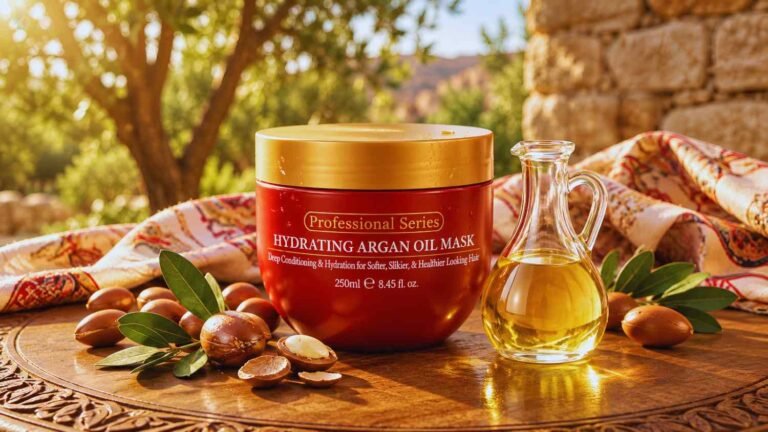
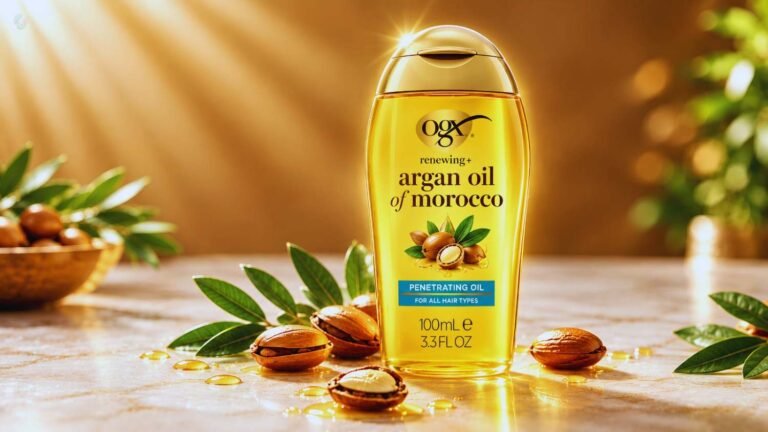
Argan oil is a light, golden oil pressed from the kernels of the argan tree, which grows in Morocco. It is rich in oleic and linoleic fatty acids, vitamin E and antioxidants, and it has a silky, fast-absorbing feel that rarely leaves hair looking weighed down. That lightness is one reason argan oil vs coconut oil comparisons so often recommend argan for serums, leave-in treatments and finishing oils. If you want a good grounding in what makes this oil special, start with our guide to the benefits of argan oil.
Coconut oil, by contrast, is a much richer, heavier oil. It is solid at cooler room temperatures and melts on contact with warm skin, and it is unusually high in lauric acid, a saturated fatty acid with a small molecular structure. That structure matters, because coconut oil is one of the few oils that can actually penetrate the hair shaft rather than simply sitting on the surface. That penetrating ability is coconut oil’s superpower in argan oil vs coconut oil, especially for pre-wash treatments, and it is also the reason it can feel like too much for some hair types.
Put simply, the argan oil vs coconut oil question comes down to this: argan oil mostly works from the outside in, smoothing the cuticle, adding shine and taming frizz without weight, while coconut oil works from the inside out, soaking into the strand and helping it hold onto moisture and protein during washing. Neither approach is wrong. They solve different problems, which is why so many people end up keeping both bottles in the bathroom.
What Each Oil Actually Does to Hair
What argan oil does best
In argan oil vs coconut oil, argan oil excels as a finishing and smoothing oil. A drop or two warmed between your palms and smoothed over mid-lengths and ends can soften rough texture, calm flyaways and add a healthy-looking shine without making hair look oily. Because it absorbs well, it suits daily or near-daily use, especially on fine, wavy or frizz-prone hair that cannot tolerate heavy products. It also layers well: you can use it after styling, over a leave-in conditioner, or as the final step in a wash-day routine without disturbing what is underneath.
Argan oil is also forgiving on colour-treated and heat-styled hair, helping lengths feel smoother and easier to comb. It will not repair split ends — no oil can glue a split end back together — but it can make damaged-looking ends look and feel better between trims. For a fuller picture of how it behaves across different textures, see our guide to argan oil for different hair types.
What coconut oil does best
In argan oil vs coconut oil, coconut oil excels as a pre-wash treatment. Applied generously to dry hair before shampooing and left on for thirty minutes or longer, it soaks into the strand and helps reduce the swelling and protein loss that happens when hair gets wet and is washed. Hair can then feel stronger and softer after washing, particularly if it is thick, coarse, dry or regularly exposed to heat or colour.
Coconut oil also works well as an intensive mask base on lengths and ends, delivering deep, lasting softness that lighter oils sometimes cannot match. It is, however, a treatment to rinse out rather than a daily leave-in for most people.
Argan Oil vs Coconut Oil: Choose by Hair Goal
Most comparisons of argan oil vs coconut oil end with a single winner. That is not how hair works. Your hair goal changes the answer, sometimes from one wash day to the next. Use this argan oil vs coconut oil decision guide instead of a blanket verdict, and pick the oil that matches the job in front of you.
If your goal is shine and a polished finish
In argan oil vs coconut oil for shine, choose argan oil. Its light texture adds gloss without flattening your style, and it is far easier to control: a small amount goes a long way, and you can always add another drop. Coconut oil can add shine too, but it is much easier to overdo, and too much leaves hair looking greasy rather than glossy. For everyday shine, especially on fine or medium hair, argan oil is the safer, more reliable pick. Our guide to argan oil hair serum explains how this finishing style of product is typically used.
If your goal is repair and deep moisture
In argan oil vs coconut oil for repair, choose coconut oil, used as a pre-wash treatment. When hair feels dry, brittle or rough from colour, heat or over-washing, coconut oil’s ability to penetrate the strand gives it an edge that a surface-smoothing oil cannot match. Apply it to dry lengths and ends, leave it on while you get on with your morning, then shampoo it out. Used this way once a week, it can transform how damaged-feeling hair behaves after washing. Argan oil still has a role here as a post-wash finisher, but for the heavy lifting of repair, coconut oil leads.
If your goal is scalp comfort
For scalp comfort, argan oil vs coconut oil is genuinely close, and it depends on your scalp. A light argan oil massage can feel soothing and rarely leaves residue behind, which suits scalps that get oily quickly or feel weighed down by products. Coconut oil can feel comforting on a dry, tight-feeling scalp, and many people enjoy it as a pre-wash scalp massage, but it is heavier and needs thorough shampooing afterwards. If your scalp is prone to buildup or breakouts along the hairline, lean toward argan oil and keep any oil off the scalp for long, unwashed stretches. Either way, patch test a new oil on a small area first and watch for irritation before using it all over.
If your goal is frizz control and styling
For frizz and styling, argan oil vs coconut oil leans to argan oil for daily use, and coconut oil only for occasional deep smoothing. Argan oil calms flyaways, helps curls clump more neatly and plays nicely with styling products, which is why it is such a popular choice for curly and wavy hair. For more on curls specifically, see our guide to argan oil for curly hair. Coconut oil can smooth frizz too, but on humid days or fine hair it often tips over into limp, heavy hair. If frizz is your daily battle, argan oil is the everyday answer, with coconut oil kept for wash-day treatments.
If your goal is softness without weight
For softness without weight, argan oil vs coconut oil leans to argan oil. Fine hair, thin hair and hair that goes flat easily will almost always prefer it. Coconut oil’s richness is wonderful on thick, coarse or very dry hair, but on fine hair it can collapse volume and make freshly washed hair look like it needs washing again. If you have fine hair and still want to try coconut oil, use a small amount, keep it to the ends only, and shampoo thoroughly afterwards.
Argan Oil vs Coconut Oil: Where Coconut’s Heaviness Backfires
Coconut oil’s richness is its strength, but it is also its most common complaint, and honest advice on argan oil vs coconut oil has to say so plainly. The first problem is buildup. Because coconut oil is heavy and solid at cooler temperatures, residue can linger through a light wash, especially if you use a gentle or sulfate-free shampoo. Over time, that buildup can make hair feel coated, dull and harder to style, which is the opposite of what most people wanted from the treatment.
The second problem is weight. On fine, low-density or straight hair, even a moderate amount of coconut oil left in as a leave-in can flatten roots, separate strands into stringy sections and erase volume. The third problem is stiffness for some hair types: a minority of people find that coconut oil makes their hair feel dry or crunchy rather than soft, particularly with frequent use or when it is not fully washed out. This does not mean coconut oil is bad — millions of people love it — but it does mean it rewards careful use: pre-wash, not leave-in, for most people, and rinsed out properly every time.
If you have tried coconut oil and ended up with greasy, limp hair, you probably did not do anything wrong. You may simply have a hair type that prefers a lighter oil daily. Switching to argan oil for daily care, with coconut oil for occasional pre-wash treatments only, tends to work beautifully. If frizz is part of the picture too, our guide on how to fix frizzy hair covers the wider routine around any oil you choose.
Argan Oil vs Coconut Oil: Where Argan’s Lightness Falls Short
Argan oil has its own honest limits, and they matter just as much. The first is depth. Because argan oil mainly coats and smooths the surface of the hair, it cannot deliver the same deep, inside-the-strand conditioning that a coconut oil soak provides. If your hair is severely dry, coarse or damaged, argan oil alone may make it look better for a day without changing how it feels after the next wash. In that case, a weekly coconut oil pre-wash will usually do more than doubling your argan oil will.
The second limit is staying power on very thick or very porous hair. Hair that absorbs product quickly can drink up argan oil and still feel dry within hours, especially in cold or dry weather. The third limit is protection during washing itself: argan oil used after washing cannot do the pre-wash job of reducing the stress that wetting and shampooing puts on the strand. So while argan oil is superb as a finisher, it is not a complete treatment routine on its own for hair that needs serious moisture. Recognising that gap is not a criticism of argan oil. It is the reason the smartest routines pair the two oils rather than choosing one and discarding the other.
Can You Use Argan Oil and Coconut Oil Together?
Yes, and for many people this is the best answer to the argan oil vs coconut oil question. The two oils do different jobs, so using them at different stages of your routine is not a contradiction — it is the whole point of argan oil vs coconut oil as a routine, not a rivalry. A simple version of the combined routine looks like this:
- Before washing: apply coconut oil to dry lengths and ends, and to the scalp only if yours tolerates it. Leave it on for at least thirty minutes, or overnight if your hair is very dry, then shampoo thoroughly.
- After washing: once hair is damp or dry, smooth a few drops of argan oil over mid-lengths and ends to seal in softness, add shine and calm frizz.
- Between washes: use argan oil alone for touch-ups. Keep coconut oil for wash days, so buildup never gets a chance to accumulate.
- For styling: reach for argan oil first. It layers under or over styling products without heaviness, while coconut oil is best kept out of your daily styling routine.
This sequence also works seasonally: coconut oil often suits winter dryness, while argan oil often suits summer humidity. If you enjoy blending oils, our guide to using argan oil and jojoba oil together shows how another light oil can fit into the same kind of routine.
How to Use Each Oil Without the Common Mistakes
With argan oil in argan oil vs coconut oil, the golden rule is less is more. Warm two to three drops between your palms for medium-length hair, smooth them over the ends first, and only then work any remainder higher up. Applying oil to soaking-wet roots is the fastest route to flat, greasy-looking hair, so keep it to mid-lengths and ends unless your scalp specifically needs it. If your hair still looks oily, you used too much, not the wrong oil — try a single drop next time.
With coconut oil in argan oil vs coconut oil, the golden rule is rinse it out properly. Use enough to coat the lengths, but do not pile it on the roots unless your scalp tolerates it well. Shampoo twice if needed after a heavy treatment, and follow with conditioner on the lengths. If hair still feels coated, a clarifying wash next time will usually reset things. Because coconut oil solidifies in the cold, melt it between your palms before applying, rather than scraping solid chunks through your hair.
For both oils, buy pure, unrefined or cold-pressed versions when you can, and check the label for added fragrance, silicones or fillers if you prefer a simple product. A long ingredient list is not automatically bad, but it makes it harder to tell which ingredient is actually doing the work. For help choosing a bottle, see our guide to the best argan oil for hair.
Argan Oil vs Coconut Oil for Different Hair Types
For fine or thin hair, argan oil vs coconut oil usually favours argan oil for daily use, with coconut oil reserved for occasional, thoroughly rinsed-out ends-only treatments. Medium hair can happily use both in the wash-day sequence described above, and this is the hair type where the argan oil vs coconut oil choice matters least, because either oil used correctly will look good.
For thick, coarse or very curly hair, argan oil vs coconut oil often ends in a draw, since this hair often loves both oils, but for different reasons: coconut oil for deep pre-wash softness and argan oil for definition, shine and frizz control after styling. Chemically treated, bleached or heat-damaged hair usually benefits most from the combined routine too, since it needs both deep conditioning and surface smoothing. Our deeper guide to argan oil for hair covers how argan oil fits into routines for damaged hair in more detail, and our hair mask for dry, damaged and frizzy hair guide is a good next read if masks are part of your routine.
No oil suits everyone, and porosity, scalp behaviour, climate and wash frequency all change the result. If one oil disappoints you, try changing how you use it — pre-wash instead of leave-in, ends only instead of roots, less product instead of more — before concluding that the oil itself is wrong.
The Honest Verdict on Argan Oil vs Coconut Oil
So, who wins argan oil vs coconut oil? The honest answer is that the contest itself is the wrong frame. In the final argan oil vs coconut oil verdict, if you need one bottle for everyday shine, frizz control and styling, buy argan oil. If you need one treatment for deep, pre-wash moisture and repair support, buy coconut oil. If you can keep two bottles, use coconut oil before washing and argan oil after, and you get the best of both without the downsides of either.
What you should not do is expect either oil to do everything. Coconut oil will not give fine hair light, bouncy shine as a leave-in, and argan oil will not single-handedly rescue severely dry hair that needs a penetrating soak. Choose by hair goal, use each oil at the stage where it shines, rinse thoroughly, and judge over two or three wash days, not a single application.
Frequently Asked Questions About Argan Oil vs Coconut Oil
Is argan oil or coconut oil better for hair growth?
Neither oil is a proven hair growth treatment, and you should be wary of any product that promises regrowth from an oil alone. What both oils can do is support healthier-looking hair: coconut oil as a pre-wash treatment may help reduce breakage during washing, and argan oil can reduce snagging when you comb and style. Less breakage means you keep more of the length you grow, but it is not the same as stimulating new growth. If you are losing hair noticeably, see a clinician rather than relying on oils.
Can I leave coconut oil in my hair overnight?
Yes, many people do, especially those with thick or very dry hair. Apply it to dry lengths and ends, protect your pillow with a towel or cap, and shampoo thoroughly in the morning. Overnight soaks are not necessary for everyone, and fine hair often does better with a shorter pre-wash treatment of thirty minutes to an hour. If your scalp feels itchy or congested after an overnight treatment, shorten the time or keep the oil off your scalp next time.
Which oil is better for curly hair?
Most curly hair benefits from both: coconut oil for occasional deep pre-wash moisture, and argan oil for daily definition, shine and frizz control. Curls tend to be drier than straight hair, so deep conditioning matters, but curls also need lightness to keep their shape. Try the combined routine for a few wash days and adjust the balance to your curl pattern.
Can I mix argan oil and coconut oil in one application?
You can blend them, but using them at separate stages usually works better, because coconut oil needs time and rinsing while argan oil works best as a light leave-in finish. If you do blend them for a pre-wash treatment, remember the blend still needs to be shampooed out properly. For a different blending idea, see our guide to mixing coconut oil and Jamaican black castor oil for hair.