Argan oil has been sitting on beauty shelves for over a decade now, marketed with almost the same three words every single time: “liquid gold.” But if you actually search is argan oil good for hair or does argan oil help hair growth, you’ll notice most articles repeat the same five bullet points without ever explaining why argan oil behaves the way it does on hair. This guide goes a step further — not just what argan oil does, but why it does it, who it actually works for, and one antioxidant pairing backed by real biochemistry that almost no hair-care article has connected to argan oil at all.
What Is Argan Oil? (And Why Morocco Matters)
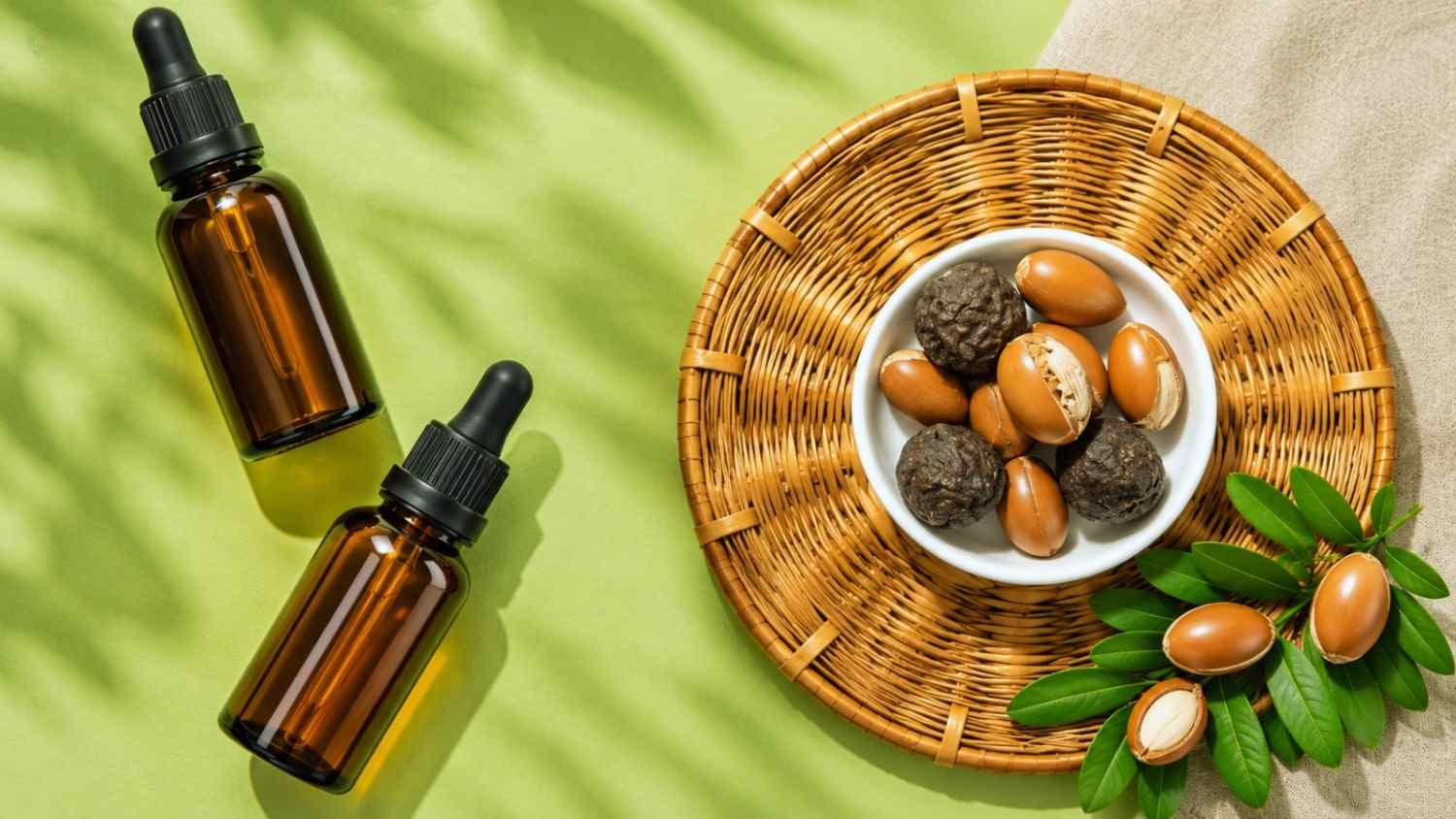
Argan oil is pressed from the kernels of the argan tree (Argania spinosa), a species that grows almost exclusively in the semi-arid regions of southwestern Morocco. This isn’t a marketing detail — it’s the reason the oil works the way it does. The argan tree survives extreme heat and drought by producing kernels dense in protective fatty acids and antioxidants, compounds it needs to shield its own seeds from oxidative stress. When pressed into oil, those same protective compounds transfer directly to your hair and scalp.
Traditionally extracted by Berber women’s cooperatives through a slow cold-press process, moroccan argan oil for hair is generally considered higher quality than mass-produced or solvent-extracted versions, largely because cold-pressing preserves more of the oil’s natural tocopherol (vitamin E) content, which heat- and solvent-based extraction can degrade.
Why Argan Oil Is Called “Liquid Gold” for Hair
The nickname isn’t just poetic — it comes down to argan oil’s fatty acid composition:
- Oleic acid (~45%) and linoleic acid (~35%) make up roughly 80% of argan oil. Oleic acid is a monounsaturated fatty acid with a relatively small molecular structure, which helps it move through the hair cuticle rather than sitting entirely on the surface the way heavier, more saturated oils tend to.
- Vitamin E (tocopherols) — this is where argan oil genuinely stands apart. Research comparing argan oil to olive oil has found argan oil’s total tocopherol content to be several times higher, and unlike most vegetable oils where alpha-tocopherol dominates, argan oil’s vitamin E content is overwhelmingly gamma-tocopherol, a form that’s a notably effective fat-soluble antioxidant. This detail rarely makes it into hair-care content, but it matters — as the section below explains.
- Antioxidant polyphenols and sterols (spinasterol, schottenol) — these compounds slow oxidative degradation of the hair’s protein structure, part of why regular use is associated with less breakage over time rather than an overnight fix.
- Anti-inflammatory sterols — plant sterols in argan oil have mild anti-inflammatory activity, relevant for scalp conditions like dandruff or mild irritation.
None of this makes argan oil grow hair by itself — but it explains why it behaves differently from a purely “moisturizing” oil.
The Antioxidant Pairing Almost Nobody Applies to Hair Oil
Here’s an angle you won’t find in competitor articles on this topic, and it comes straight from established antioxidant biochemistry rather than marketing copy.
Vitamin E (tocopherol) protects lipids by absorbing free radicals — but in doing so, it becomes a “spent” molecule called a tocopheroxyl radical.
On its own, that spent vitamin E can’t keep neutralizing new damage. It needs to be regenerated back into active vitamin E. Vitamin C (ascorbic acid) does exactly that, donating an electron that restores vitamin E to its active, protective form.
This is a well-documented mechanism in dermatology — one clinical study (Lin et al., 2003) found that combining topical vitamin C and E boosted UV protection roughly fourfold compared to either one alone.
It’s the entire reason “vitamin C + E” serums are a staple in skincare.
What’s almost never discussed is applying this same principle to hair oils. Argan oil is unusually rich in vitamin E (specifically gamma-tocopherol) but contains essentially no vitamin C.
Pairing it with an oil that’s naturally high in vitamin C — sea buckthorn oil being the most notable example, along with rosehip oil — creates the conditions for that same regeneration cycle at the hair fiber and scalp level: argan’s vitamin E can keep neutralizing oxidative stress from UV, heat styling, and pollution for longer, because the vitamin C from the paired oil helps recycle it rather than letting it get “used up” after a single round of protection.
To be clear about what this is and isn’t: this hasn’t been studied specifically on hair (most of the supporting research is dermatological, on skin), so this should be read as an evidence-informed hypothesis rather than a guaranteed result. But the underlying chemistry is solid, and applying it to hair care is a genuinely underexplored angle. A practical way to try it: mix a few drops of sea buckthorn oil into your argan oil hair serum, or apply sea buckthorn oil to the scalp first, followed by an argan oil leave-in on the lengths.
Benefits of Argan Oil for Hair
Deeply Moisturizes and Conditions Hair
Because of its fatty acid profile and small molecular structure, argan oil is able to move into the hair cuticle rather than just coating it. This is what gives argan oil hair benefits their reputation for softness — not just surface shine, but actual moisture retention inside the hair shaft, which reduces frizz caused by humidity swelling the outer cuticle layer.
Improves Scalp Health
A dry, inflamed scalp is one of the most overlooked causes of slow-looking hair growth — not because hair stops growing, but because breakage near the root makes growth invisible. Argan oil’s anti-inflammatory sterols and vitamin E content help calm scalp irritation and reduce flaking, creating a healthier environment for hair to grow out without snapping off early.
Protects Against Styling and Heat Damage
Applied before blow-drying or flat-ironing, argan oil forms a light barrier that can reduce moisture loss during heat exposure. This doesn’t make hair heat-proof, but plant oils high in oleic acid have been associated with reduced protein loss during thermal styling compared to untreated hair.
Shields Hair From Sun and Environmental Damage
UV rays don’t just affect skin — they oxidize the proteins in hair, especially color-treated hair, causing dullness and dryness. The antioxidant content in argan oil offers a mild protective layer against this kind of oxidative, sun-driven damage, which is one reason it’s often recommended for chemically treated or color-treated hair specifically.
Does Argan Oil Help Hair Growth?
Here’s the honest answer most brands avoid: there is no clinical evidence that argan oil directly stimulates new hair growth from the follicle. It doesn’t contain the active compounds (like minoxidil or DHT-blockers) proven to trigger new growth.
What argan oil does do — and this matters more than people realize — is reduce hair breakage and split ends. If your hair is snapping off at the same rate it’s growing, your hair looks like it’s not growing, even though the follicle is working fine. By strengthening the hair shaft and reducing breakage, argan oil helps you retain length you’re already producing. This is a subtle but important distinction that separates realistic expectations from marketing claims.
Can Argan Oil Help With Hair Loss?
Hair loss and slow hair growth are often confused, but they’re different problems. Hair loss usually stems from hormonal shifts (like DHT sensitivity in androgenetic alopecia), stress-related shedding (telogen effluvium), or nutritional deficiencies — none of which argan oil treats directly.
However, argan oil can play a supportive role: a healthier, less inflamed scalp is a better foundation for hair follicles to function normally, and reducing breakage means less hair loss appears to be happening even if shedding rates stay the same.
If you’re experiencing sudden, patchy, or excessive hair loss, argan oil should be treated as a supportive addition — not a replacement for seeing a dermatologist.
Who Can Use Argan Oil?
One of the most useful things about argan oil is how broadly it’s tolerated:
- Curly and coily hair (including 4c hair) — high-porosity, tightly coiled hair types tend to lose moisture fastest, and argan oil’s lightweight absorption makes it especially effective for argan oil 4c hair routines without the heaviness of butters like shea.
- Fine or straight hair — a very small amount (a drop or two) works well since fine hair is prone to looking greasy with heavier oils.
- Color-treated or chemically processed hair — its antioxidant profile helps offset some of the oxidative stress from bleach or relaxers.
- Sensitive or dry scalps — it has a comedogenic rating of 0, meaning it’s very unlikely to clog hair follicles, which sets it apart from oils like coconut oil that can be more pore-occlusive for some people.
The main exception is anyone with a tree nut allergy — while argan oil is technically from a fruit kernel rather than a true nut, patch-testing is still recommended before full application, especially on the scalp.
How to Use Argan Oil for Hair (By Hair Type and Goal)
How you use argan oil should actually change depending on your hair’s porosity — a detail almost never mentioned in mainstream guides, but one that determines whether the oil helps or just sits on top of your strands doing nothing.
- Low porosity hair (cuticle lies flat, resists absorption): use argan oil on damp hair, right after washing, in very small amounts — applying it to dry hair often just leaves it sitting on the surface.
- High porosity hair (cuticle is raised, loses moisture fast): argan oil works best as a sealant, applied after a water-based leave-in conditioner, to lock moisture in rather than let it evaporate.
With that in mind, here’s how it fits into a routine:
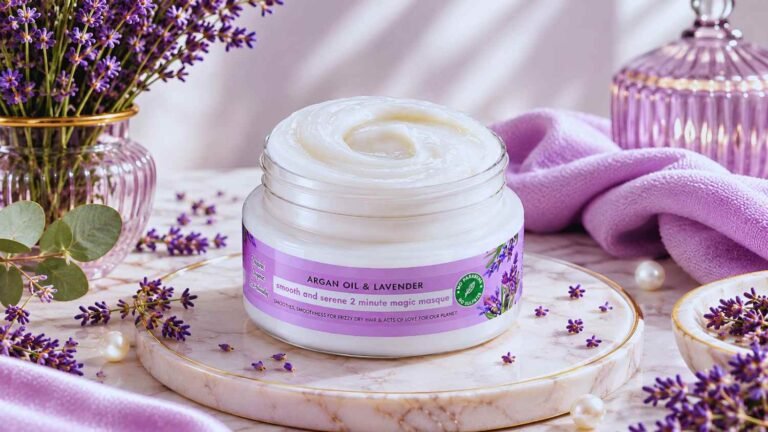
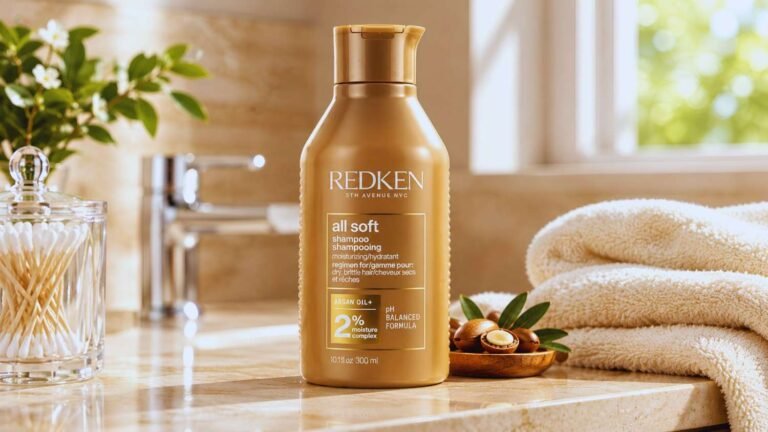
Shampoo — Argan-oil-infused shampoos cleanse while leaving a light conditioning film behind; useful as a light daily option but not a substitute for pure oil treatments.
Leave-In Conditioner — A few drops rubbed into palms and smoothed through mid-lengths to ends after washing helps detangle and reduce frizz throughout the day.
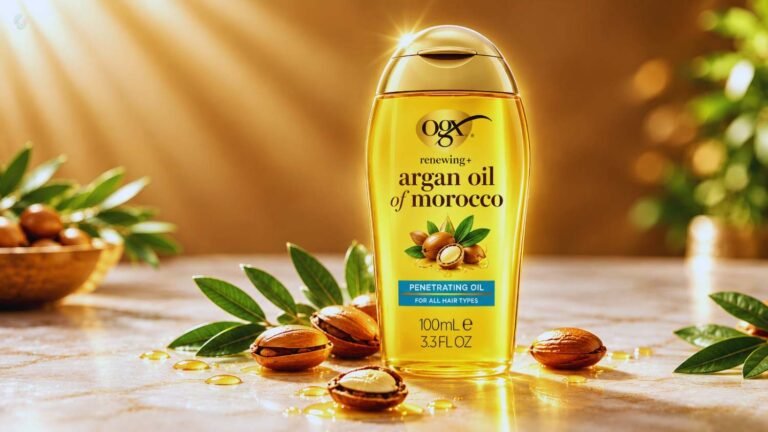
Hair Oil / Serum — Used on dry hair, focused on the ends rather than the roots (to avoid a greasy scalp), it adds shine and tames flyaways — this is the most common way people use pure argan oil for hair.
Hair Mask — Combined with heat (a warm towel wrap for 20–30 minutes) once or twice a week, argan oil penetrates deeper into the shaft for intensive repair, particularly useful for chemically damaged or over-heat-styled hair.
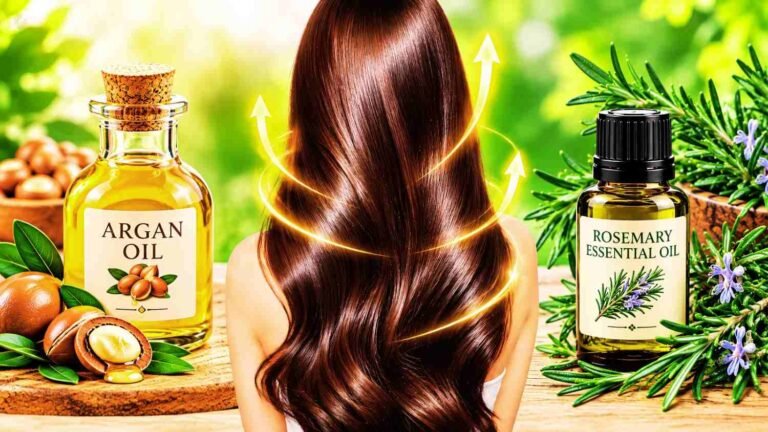
Oil Blending — Argan oil pairs well with several complementary oils depending on your goal: rosemary oil for scalp circulation support, jojoba oil (the closest plant oil in composition to natural human sebum, making it ideal for regulating oil production on very fine or oily hair), avocado oil for extra-dry, coarse, or curly textures needing deeper penetration, and — as covered above — sea buckthorn oil for the vitamin E/C antioxidant-recycling effect.
How Much Argan Oil Should You Use? Safety & Side Effects
Argan oil is one of the gentler oils used in hair care, but “natural” doesn’t mean risk-free:
- Dosage — 3 to 5 drops is enough for shoulder-length hair; more isn’t more effective, it just increases the risk of buildup and a greasy scalp.
- Allergic reactions — rare, but possible. Always patch-test on the inner arm 24 hours before scalp application.
- Product buildup — overuse, especially on fine or low-porosity hair, can leave strands looking weighed down or dull rather than shiny.
- Quality matters — 100% pure argan oil for hair (cold-pressed, no added fragrance or silicones) behaves very differently from diluted commercial blends padded with cheaper carrier oils like sunflower or mineral oil. Checking the ingredient list for “100% Argania Spinosa Kernel Oil” as the only ingredient is the simplest way to verify purity.
Argan Oil vs Coconut Oil: Which Is Better for Hair?
This comparison comes up constantly, and the honest answer is: it depends on your hair type, not which oil is “better” overall.
- Coconut oil has a smaller molecular structure and high lauric acid content, allowing it to penetrate the hair shaft deeply and reduce protein loss during washing — but this same density can weigh down fine hair and, for some people, contribute to buildup on the scalp.
- Argan oil is lighter, absorbs faster, and works better as a leave-in or finishing oil, particularly for curly, coily, or color-treated hair that needs moisture without heaviness.
A practical approach many stylists actually recommend: coconut oil as a pre-wash treatment (applied before shampooing to protect against water-swelling damage), and argan oil as a post-wash, leave-in finishing treatment. Used this way, they complement rather than compete with each other.
How to Choose the Best Argan Oil for Hair
With so many “argan oil” products on shelves, quality varies enormously. When comparing options:
- Check the ingredient list — the shorter, the better. A single ingredient (“100% Argania Spinosa Kernel Oil”) beats a long list of fillers.
- Look at the color — pure, cold-pressed argan oil has a golden-amber hue with a faint nutty scent; a very pale or odorless oil is often heavily diluted or refined.
- Packaging matters — argan oil oxidizes when exposed to light, so it should come in a dark amber or opaque bottle, not clear glass or plastic.
- Certifications — look for organic or fair-trade certification, which often correlates with cooperative-sourced, higher-quality oil from Morocco rather than mass-produced synthetic blends.
Other Ways to Support Hair Growth Alongside Argan Oil
Argan oil works best as part of a routine, not a standalone fix:
- Avoid tight hairstyles and extensions that pull on the follicle and cause traction alopecia over time.
- Limit hot tool use, or always apply a heat protectant (argan oil included) before styling.
- Be gentle with wet hair, since hair is at its weakest and most stretch-prone when wet.
- Use a wide-tooth comb on wet hair, starting from the ends and working up, rather than a brush.
- Limit chemical treatments (bleach, relaxers, perms) that compound over time and make hair more porous and fragile.
Final Takeaway
Argan oil isn’t a miracle hair-growth serum, and any product claiming it will make hair grow “faster” is overselling the science. What it actually does — reduce breakage, calm scalp inflammation, protect against heat and sun damage, and deliver an unusually high, gamma-tocopherol-rich dose of vitamin E — is arguably more valuable long-term than a growth gimmick, because retained length and reduced damage is what most people actually mean when they say they want their hair “to grow.” Pair it thoughtfully — matching your application method to your hair’s porosity, and potentially layering it with a vitamin-C-rich oil like sea buckthorn to help that vitamin E work harder — and it earns its reputation honestly, just not for the reason most marketing claims.
Written and researched by Sophia Bennett, a hair-care content specialist with over 8 years covering trichology and personal care ingredients. All fatty-acid, tocopherol, and antioxidant-mechanism claims in this article were cross-checked against peer-reviewed sources before publishing.