Argan Oil Leave In Conditioner: How to Choose, Apply, and Style With It
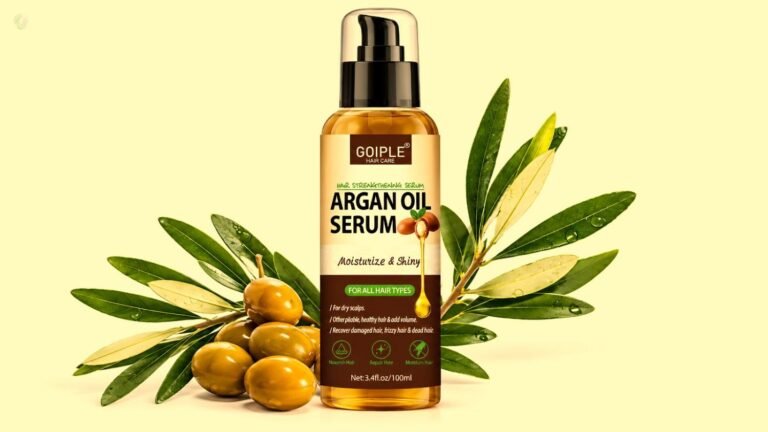
An argan oil leave in conditioner is a simple way to get softer, smoother, more manageable hair without another rinse-out step. Unlike a regular conditioner that you wash away, an argan oil leave in conditioner stays on all day. It releases moisture, smooths the cuticle, and protects strands between washes. This guide explains what it is, how formats compare, how to choose one, how to apply it, and how to layer it well.
A rinse-out conditioner mainly softens hair in the shower and eases wet combing. A leave-in takes over after that. It seals in shower moisture and keeps working until your next wash. That second step often makes the difference between hair that looks good for an hour and hair that still looks good the next morning.
What an Argan Oil Leave In Conditioner Actually Is
An argan oil leave in conditioner is a no-rinse product listing argan oil — usually Argania spinosa kernel oil — among its main ingredients. It may be a spray, milk, cream, or oil-based serum. The idea is always the same: apply it to damp or dry hair after washing and do not rinse it out. Some formulas are mostly water-based; others are oil-rich and act more like a finishing serum. Format and ingredient list therefore matter more than the front of the bottle.
It differs from pure argan oil, a single ingredient used alone. An argan oil leave in conditioner is formulated with water, conditioning agents, and sometimes proteins or humectants, so it spreads evenly and absorbs rather than pooling. Our guide to argan oil for hair explains the oil itself.
Why Argan Oil Works So Well in a Leave In Conditioner
Argan oil is light enough for daily use yet rich enough to improve dry, rough-feeling hair. Rich in fatty acids and vitamin E, it helps smooth the cuticle, the outer layer of the hair shaft. When the cuticle lies flat, hair reflects more light, looks shinier, feels softer, and catches less on itself. That means fewer tangles and less breakage during brushing. That is the core job of any argan oil leave in conditioner.
Moisture comes first for most users. Dry hair tangles easily, especially at the ends — the oldest part of each strand. An argan oil leave in conditioner coats those ends with a thin layer that slows moisture loss. It also helps heat styling: smoother hair is easier to blow dry, straighten, or curl.
Frizz control follows from the same effect. Frizz happens when dry, raised cuticles catch on each other and hair absorbs humidity unevenly. A good argan oil leave in conditioner smooths the cuticle and slows that uneven exchange, so hair is less likely to puff up. It will not change your texture permanently, and no leave-in can beat a truly humid day alone. But it can turn unmanageable frizz into a softer, more controlled wave or curl. See also our guide on how to fix frizzy hair.
Detangling and protection matter too. Wet hair is fragile, and forcing a comb through tangles easily snaps strands. A leave-in adds slip, so a wide-tooth comb glides through instead of catching. Over weeks, gentler detangling means healthier-looking ends and better length retention. A leave-in is not a substitute for a dedicated heat protectant under daily high heat, but it reduces friction from brushing and tools. See our guide to argan oil heat protectant use.
The Four Formats: Spray, Milk, Cream, and Oil-Based Argan Oil Leave In Conditioner
Not every argan oil leave in conditioner feels the same. The wrong format can flatten fine hair or leave thick hair still dry, even with good ingredients. Here is how the four formats compare.
Sprays are the lightest option. Usually water-based, they mist evenly and dry with little residue. They suit fine hair, second-day refreshes, and light detangling and frizz control. They may not moisturise very dry hair enough alone; then use one as a first layer under a cream or oil.
Milks and lotions sit in the middle. Thinner than creams but richer than sprays, they spread easily through damp hair and suit wavy and medium hair well. They give noticeable softness without much weight. Many people with wavy hair find a milk-format argan oil leave in conditioner defines waves without flattening them.
Creams are the richest water-based option. Thicker and longer-lasting, they best suit thick, curly, coily, or damaged hair that drinks up lighter products and still feels dry. Creams also give the best curl definition when scrunched into damp curls, as they help curl clumps hold together. The trade-off is weight: on fine hair, a cream can look greasy. Start pea-sized and add more only if ends still feel dry.
Oil-based leave-ins and serums are the heaviest and shiniest option. Closer to pure oil, sometimes blended with silicones, they excel as a sealing and finishing step. They suit coarse or very dry hair, flyaways on dry hair, and shine on finished styles. They are rarely the best first leave-in for fine hair, as they can flatten roots. For most people, an oil-based argan oil leave in conditioner works best in a small amount on mid-lengths and ends, after a lighter leave-in.
How to Choose the Right Argan Oil Leave In Conditioner
Start with your hair, not the prettiest bottle. Ask: how fine or thick is it, how dry or damaged does it feel, and what do you mainly want — detangling, frizz control, curl definition, or heat protection? Fine hair generally needs a spray or milk; thick or curly hair usually needs a cream; very dry hair may need a cream plus a little oil. If unsure, our guide to argan oil for different hair types explains the differences.
Next, read the ingredient list. In a genuine argan oil leave in conditioner, Argania spinosa kernel oil should appear reasonably high, not buried after fragrance and fillers. That shows whether argan oil is a working ingredient or just marketing. Humectants like glycerin hold moisture; proteins like hydrolysed keratin can strengthen damaged hair; light silicones like dimethicone add slip, though they may build up.
Watch out for a few ingredients. Drying alcohols, listed as alcohol denat or SD alcohol near the top, can undo the oil’s moisturising work, especially in sprays. Heavy waxes and butters high on the list can weigh fine hair down. Strong fragrance can irritate a sensitive scalp, so choose a fragrance-free or lightly fragranced argan oil leave in conditioner if your scalp reacts easily. For coloured hair, choose a colour-safe formula.
Finally, consider routine and climate. If you already use a rich rinse-out conditioner and a weekly mask, a light leave-in may be enough. If you rarely condition, a richer cream may suit you better. In humidity, prefer a lighter formula; in dry winter air, a richer argan oil leave in conditioner helps hair hold moisture.
How to Apply an Argan Oil Leave In Conditioner Step by Step
Technique matters more than most people expect. The same argan oil leave in conditioner can look weightless or greasy depending on amount, placement, and whether hair is damp or soaking wet.
Start with clean, damp hair. After washing, gently squeeze out water with a towel or soft cotton T-shirt. Do not rub vigorously, as that roughs up the cuticle and creates frizz. Hair should feel damp, not dripping: soaking hair dilutes the product, while fully dry hair may absorb creams unevenly. For a dry-hair refresh, mist lightly with water first.
Use less than you think you need. For a spray, a few mists over mid-lengths and ends is enough. For a cream or milk, start pea-sized to coin-sized, warm it between your palms, and smooth it through. For an oil-based argan oil leave in conditioner, two to four drops is usually plenty for medium-length hair. You can add more to the driest ends, but excess is hard to remove without rewashing.
Apply mid-lengths to ends first. Only bring residue toward the roots if hair there still feels dry. Ends are the oldest and driest part of your hair, so they need the most product. Roots get natural scalp oils and go flat quickly if overloaded. Then comb through with a wide-tooth comb or finger-comb, so every section is coated evenly and detangled at the same time.
Then style as usual: air dry, blow dry, or diffuse. If heat styling, apply heat protectant after the leave-in, so it sits on top as a shield. Let each layer settle briefly, as below.
Argan Oil Leave In Conditioner for Every Hair Type
Fine hair. Fine hair is easily weighed down, so aim for moisture without weight. Choose a spray or light milk argan oil leave in conditioner, apply mid-lengths down only, and keep the amount small. Avoid heavy creams and oils as your main leave-in. For shine, add one drop of oil to the very ends after styling. A clarifying wash every few weeks helps keep fine hair bouncy.
Wavy hair. Wavy hair needs enough moisture to define waves without flattening them. A milk or light cream argan oil leave in conditioner usually hits that balance. Scrunch it into damp waves rather than raking it straight through, which pulls waves apart. If waves fall flat by afternoon, use less at the roots and more on the ends, where waves dry out first.
Curly hair. Curly hair is naturally drier, as twists make it harder for scalp oils to travel down the strand. A cream-format argan oil leave in conditioner, applied in sections and scrunched in, helps curls clump, reduces frizz, and holds definition as hair dries. Many curly routines layer a gel or curl cream over the leave-in for hold, using the order in the next section.
Coily and thick hair. Coily and thick hair needs the most moisture. The richest approach usually works best: a cream leave-in, then a little oil to seal moisture in. Work in sections so all hair is coated. An argan oil leave in conditioner also eases detangling, as slip lets a comb move through sections without snapping.
Dry, damaged, or colour-treated hair. Bleached, coloured, or heat-styled hair often has a rough, porous cuticle that loses moisture fast. A cream argan oil leave in conditioner with protein can help it feel stronger and smoother. But balance matters: too much protein without enough moisture can feel stiff. Alternate protein leave-ins with purely moisturising ones if hair feels brittle. A good leave-in also stretches time between washes.
Low porosity hair. Low porosity hair has a tightly closed cuticle that resists moisture, so heavy products sit on the surface and look greasy. Use a light spray or milk argan oil leave in conditioner on warm, damp hair, keep amounts small, and avoid layering heavy products. Warmth and water after a warm shower gently lift the cuticle and aid absorption. Our guide to argan oil for low porosity hair covers this type in depth.
Styling With an Argan Oil Leave In Conditioner
For air drying, apply your argan oil leave in conditioner to damp hair, shape it, then leave it alone while it dries. Touching hair repeatedly breaks up curl clumps and creates frizz. Once dry, a tiny amount of oil over the surface adds smoothness.
For blow drying, the leave-in detangles first and gives hair slip, so the dryer roughs it up less. Apply your argan oil leave in conditioner, comb through, add heat protectant, then blow dry in sections, pointing the dryer down the shaft. Finish with a cool shot.
For curl definition, the leave-in is the foundation. Apply a cream argan oil leave in conditioner to damp curls in sections and scrunch upward. If you want hold, layer gel or curl cream over it using the order below. Diffuse on low heat or air dry, and do not touch curls until fully dry.
For second-day hair, a leave-in is an easy refresh tool. Mist hair until slightly damp, smooth a little spray or milk argan oil leave in conditioner over dry or frizzy areas, reshape with your fingers, and let it dry. This often saves a full wash.
The New Angle: The Layering Order That Stops Pilling, Flaking, and Greasiness
Here is the topic most guides never address, and the reason many people give up on an argan oil leave in conditioner that should have worked: layering. Most routines stack a leave-in with a heat protectant, curl cream, gel, mousse, or serum. When layers do not get along, you get pilling — little white flakes or balls — or a greasy, coated feeling. The product is often blamed, but order and timing are usually the real problem.
The fix is simple: go lightest and most water-based first, heaviest and most oil-based last, and let each layer settle for a minute before adding the next. An argan oil leave in conditioner in spray or milk format goes on first, on damp hair. A cream leave-in or curl cream comes next. Gel or mousse follows, as gels form a hold layer that works best on top of moisture. Oil or serum comes last, in a small amount, to seal and add shine. Reverse the order — oil first, then gel — and the gel cannot grip the oiled surface, so it beads, pills, or flakes.
Timing matters as much as order. Gel piled onto a still-wet cream leave-in can mix into a diluted layer that never sets, leaving hair frizzy and coated. Waiting sixty to ninety seconds between layers lets each one absorb and grip, so the next sits cleanly on top. This matters most with an argan oil leave in conditioner in cream format, as creams settle more slowly than sprays. It is like painting: a second coat over a wet first coat rarely gives a smooth finish.
Compatibility matters too. Some ingredients do not mix well: certain thickeners and silicones can clump when layered heavily, and too many strong-hold products can form a stiff, flaky cast. If one combination always pills, simplify before discarding anything. Use the argan oil leave in conditioner alone for a few washes to confirm it works alone, then add back one product at a time until you find the problem pairing.
Test a new combination with a strand test: apply the planned layers to one small section, let it dry fully, and check it before doing your whole head. If it pills or feels coated, change one variable — order, wait time, or amount — and test again. Adjust by season too: in humid summer, a light argan oil leave in conditioner plus one styling product is often enough, while in dry winter, an extra oil seal helps.
How Often to Use an Argan Oil Leave In Conditioner, and How to Handle Buildup
Frequency depends on hair type and amount used. Fine hair does well with a light leave-in on wash days only, or every other day at most. Medium and wavy hair can handle wash days plus a light refresh. Thick, curly, coily, or very dry hair can often use an argan oil leave in conditioner daily or every other day. The right frequency leaves hair soft without looking dull or coated.
Buildup signals you have crossed that line: hair looks dull even after washing, feels heavy or waxy, or loses bounce. Leave-in ingredients — especially silicones, butters, and heavy oils — do not fully rinse away with gentle shampoo, so they accumulate. Oil-rich formulas build up faster than light sprays.
The fix is a clarifying wash every two to four weeks. Clarifying shampoo removes residue more thoroughly than daily shampoo. Use it once, then follow with normal conditioner and your argan oil leave in conditioner on damp hair. Do not clarify too often: over-clarifying strips natural oils. Once or twice a month suits most people.
Common Mistakes to Avoid With an Argan Oil Leave In Conditioner
The most common mistake is using too much. An argan oil leave in conditioner stays on all day, so excess has nowhere to go. It attracts dust, flattens volume, and makes hair look oily by afternoon. Start small and add more only to the ends if needed. If hair regularly looks greasy by midday, reduce the amount first, before blaming the product.
The second mistake is applying it to the roots. Roots already get scalp oils, and extra leave-in flattens volume and can coat the scalp. Keep your argan oil leave in conditioner on mid-lengths and ends, and bring residue to the roots only if hair there feels genuinely dry.
The third mistake is using a rinse-out conditioner as a leave-in. Rinse-out formulas are made to be washed away; leaving them on can cause buildup, dullness, and scalp irritation. If a product does not say leave-in, do not leave it in. Stacking a leave-in, mask, serum, and oil at once also creates a coated, limp feel — the total amount is often the problem, not one product. Also avoid soaking-wet application, which dilutes the product, and skipping the comb-through, which leaves patchy coverage. No leave-in repairs split ends — only a trim does. Give a new argan oil leave in conditioner two to three weeks before judging it.
Pure Argan Oil Versus a Formulated Argan Oil Leave In Conditioner
Pure argan oil is excellent as a sealing, shine, and finishing step. A few drops over dry ends add gloss and tame flyaways, with nothing else added. It is also the simplest choice if you prefer minimal ingredients or full control over amount. If you already love pure oil and your hair looks and feels good, you do not need to replace it.
A formulated argan oil leave in conditioner earns its place when you need more than oil alone. Its water base delivers hydration, not just sealing — important for hair that feels dry even after oiling. Its conditioning agents give slip for detangling, which pure oil does less well. Its extra ingredients — humectants, proteins, or heat-protecting agents — let one product cover several jobs. For comparison with another light oil, our article on argan oil versus jojoba oil is a useful companion read.
The two work well together, in the right order. Use the formulated argan oil leave in conditioner first on damp hair for hydration and detangling, style as usual, then finish with a drop or two of pure oil on the ends for shine and sealing. On a budget, start with the leave-in for tangles, frizz, and dryness, or pure oil for dullness and flyaways on otherwise healthy hair.
Argan Oil Leave In Conditioner FAQs
Can I use an argan oil leave in conditioner every day?
You can, if hair type and formula allow it. Thick, curly, coily, or very dry hair often benefits from daily use. Fine hair usually does better with a light argan oil leave in conditioner on wash days only. Watch for buildup — dullness or a coated feeling — and if it appears, use less or less often, plus a clarifying wash every few weeks.
Should I apply an argan oil leave in conditioner to wet or dry hair?
Damp hair is usually best, as the product spreads evenly and absorbs alongside water already in the hair. Towel-dry gently first so hair is damp, not dripping. You can also use an argan oil leave in conditioner on dry hair for refreshes, but use less, and mist creams and milks with water first so they distribute evenly.
Is an argan oil leave in conditioner good for curly hair?
Yes. Curls tend to be drier and more tangle-prone than straight hair, so a leave-in is especially useful. A cream-format argan oil leave in conditioner applied to damp curls in sections helps curls clump, reduces frizz, and eases detangling. Layer gel or curl cream over it for hold, lightest-to-heaviest, and avoid touching curls while they dry.
Can an argan oil leave in conditioner replace my regular conditioner?
It can supplement it, but usually should not fully replace it. Rinse-out conditioner softens hair in the shower and eases wet detangling; a leave-in continues the job between washes. Very fine or short hair sometimes manages with a leave-in alone. Most hair gets the best results from both: rinse-out in the shower, then an argan oil leave in conditioner on damp hair. For the full comparison, our article on hair oils versus leave-in conditioner explains how product types fit together.
Will an argan oil leave in conditioner make my hair greasy?
It can, but usually only if the format is too heavy or the amount too large. Fine hair with a rich cream, or any hair with a palmful of product, will look greasy. Choose a lighter format, use less, and keep it off your roots. If hair still looks oily quickly after those changes, the formula may simply be too rich — try a spray or milk argan oil leave in conditioner instead.
Can I use an argan oil leave in conditioner before heat styling?
Yes, as a sensible first step — but as the moisturising base, not your full heat protection. Apply the argan oil leave in conditioner to damp hair, let it settle for a minute, then apply a dedicated heat protectant before hot tools. That gives moisture underneath and protection on top. For detail, see our guide to argan oil heat protectant use.
Final Thoughts: Making an Argan Oil Leave In Conditioner Work for You
An argan oil leave in conditioner earns its place by doing quiet, daily work a rinse-out conditioner cannot: keeping hair moisturised, smooth, and manageable between washes. The key is matching format to hair, using a small amount in the right place, and layering in an order that lets each product work. Start damp, mid-lengths and ends first, with a light touch and a minute between layers.
Remember the layering rule above all: lightest and most water-based first, heaviest and most oil-based last, with a short pause between layers. That habit prevents most pilling, flaking, and greasiness that make people abandon leave-ins. It lets a good argan oil leave in conditioner do its job — softer, shinier, easier-to-style hair, day after day. Our guides to argan oil conditioner benefits and best argan oil for hair can help further.